







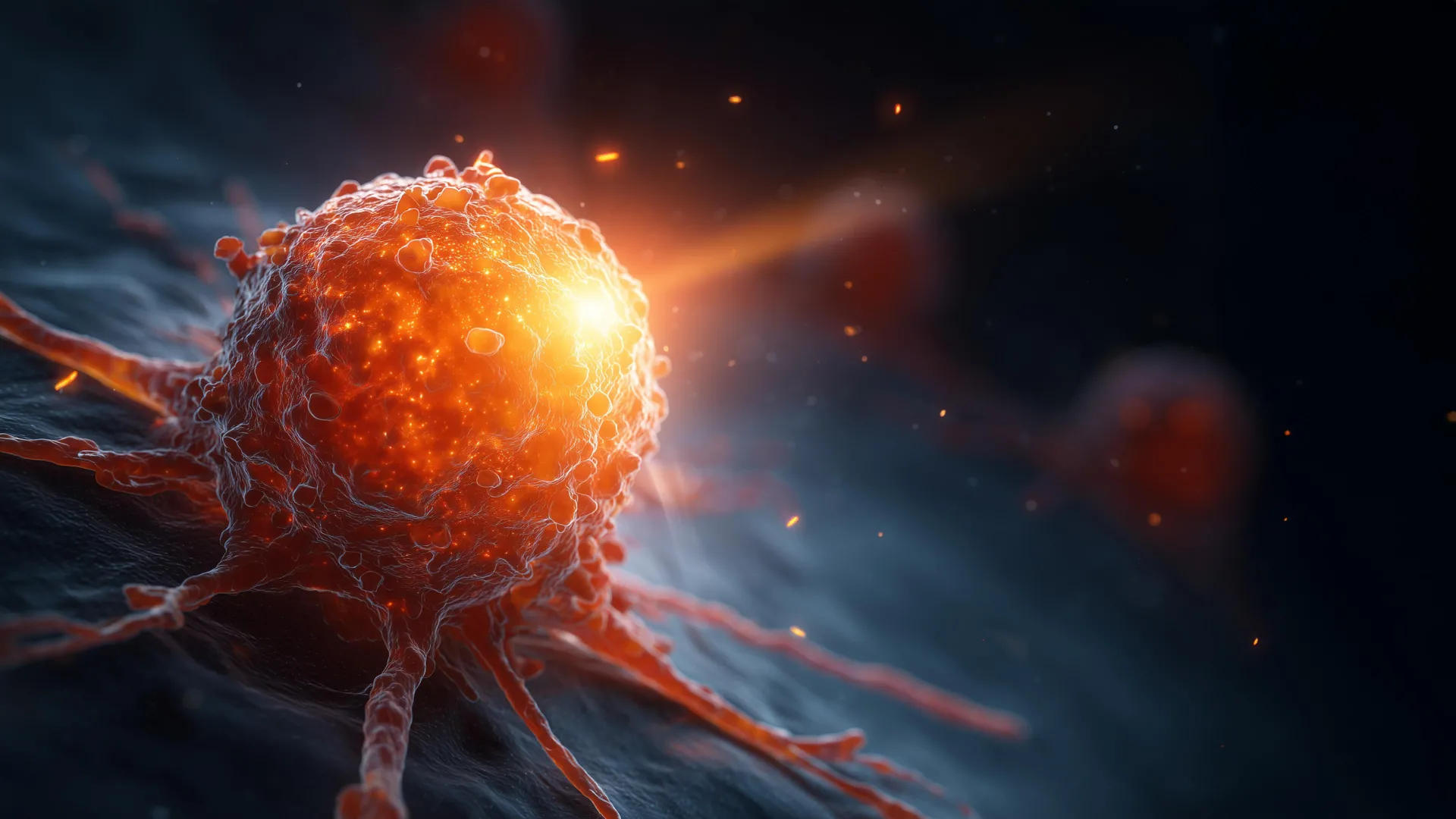
In a groundbreaking development for oncology, researchers at the University of Illinois Chicago (UIC) have unveiled a promising new experimental cancer therapy derived from bacteria that naturally inhabit the tumor microenvironment. By targeting the cellular "energy factories" of cancer cells, this novel approach has demonstrated the ability to starve tumors of the fuel they require to proliferate. The study, recently published in the journal Signal Transduction and Targeted Therapy, suggests a path forward that bypasses the limitations of traditional genetic therapies, offering new hope for patients with aggressive, treatment-resistant cancers.
The Core Discovery: A New Frontier in Oncology
The research team, led by Tohru Yamada—an associate professor in the departments of surgery and biomedical engineering at UIC and a member of the University of Illinois Cancer Center—has successfully engineered a peptide derived from a bacterial protein known as auracyanin, dubbed "aurB."
Unlike many existing treatments that rely on the presence of specific genetic markers, aurB operates independently of the p53 gene. The p53 protein, often referred to as the "guardian of the genome," is frequently mutated in cancer cells, rendering many conventional therapies ineffective. By sidestepping this pathway and attacking the mitochondria directly, the UIC team has developed a mechanism that could be universally applicable across a broader spectrum of cancer patients.
A Chronology of Innovation
The journey to discovering aurB was not an overnight success but the result of years of meticulous investigation into the complex ecosystem of the tumor microenvironment.
The Cupredoxin Foundation
The research began with the laboratory’s earlier identification of cupredoxins—copper-containing proteins that facilitate electron transfer between proteins. The team previously developed a peptide drug based on these proteins, which underwent extensive testing in both adult clinical trials and pediatric brain cancer research. However, the team realized that the efficacy of these early-stage drugs was tethered to the p53 gene. Because p53 mutations vary wildly between patients, the treatment’s reliability remained inconsistent.
The Shift in Strategy
Recognizing this roadblock, Yamada and his team sought an alternative. They hypothesized that if they could identify a bacterial protein that acts directly upon the mitochondria—the engine room of the cell—they could effectively shut down tumor growth regardless of the cell’s genetic mutations.
Mining the Microbiome
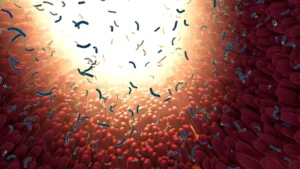
The team analyzed tumor samples from breast cancer patients using advanced DNA sequencing to identify the bacteria thriving within. Their attention was captured by a specific bacterial species that produced auracyanin. Drawing from this discovery, the team synthesized the aurB peptide. Laboratory testing revealed a clear mechanism: aurB enters the mitochondria of tumor cells and binds to ATP synthase, the critical protein complex responsible for generating adenosine triphosphate (ATP), the primary energy currency of the cell. By obstructing this process, the peptide effectively triggers a "power failure" within the cancer cell.
Supporting Data: Efficacy in Prostate Cancer Models
The preclinical validation of aurB has been nothing short of striking, particularly in the context of hormone therapy-resistant prostate cancer. The researchers tested the peptide in both cancer cell lines lacking active p53 and in sophisticated mouse models of tibial bone metastasis.
The Synergistic Effect
When administered alongside radiation therapy—a gold standard in prostate cancer management—aurB demonstrated a potent synergistic effect. The combination significantly inhibited tumor growth, resulting in markedly smaller tumor volumes than radiation alone.
Crucially, the data indicated a high safety profile. In these preclinical models, the treatment showed no signs of significant toxicity, a common pitfall in experimental chemotherapy. By focusing on the unique metabolic demands of rapidly dividing cancer cells, the therapy appears to leave healthy, non-cancerous cells relatively unharmed, a key goal in minimizing the debilitating side effects associated with standard oncological treatments.
Official Perspectives and Expert Insight
Tohru Yamada emphasizes that the metabolic vulnerabilities of cancer cells make them uniquely susceptible to this approach. "The mitochondria are very important for a cell to survive; they are the energy factories," Yamada explains. "Many cancer cells exhibit altered mitochondrial number and activity, because a cancer cell has to grow aggressively and rapidly. Therefore, the mitochondria would be an ideal target for cancer therapy."
The project represents a massive collaborative effort across the University of Illinois system. Yamada has credited a wide array of experts from the College of Medicine and UI Health, including Drs. Martin Borhani, Aslam Ejaz, Ajay Rana, Enrico Benedetti, and Tapas K. Das Gupta. Their collective expertise in surgical oncology and biomedical engineering was instrumental in bringing the research from a conceptual framework to a patented, viable therapeutic candidate.
Additional contributors from the College of Medicine—including Dr. Samer A. Naffouje, Duy Binh Tran, Konstantin Christov, Albert Green, Ngoc Hai Trieu Phong, and Dr. Tapas K. Das Gupta—along with Weiguo Li from the College of Engineering, highlight the interdisciplinary nature of modern medical research at UIC.
Implications for the Future of Cancer Care
The implications of the aurB study extend far beyond the treatment of prostate cancer. By validating the use of bacterial proteins as a platform for drug discovery, the UIC team has opened a door to a new class of "biological" therapeutics.
Bypassing Genetic Barriers
The most significant implication of this research is the move toward "p53-independent" treatments. As personalized medicine continues to evolve, the ability to offer a treatment that is not dictated by the patient’s specific genetic mutations is a major step toward standardizing care for difficult-to-treat, aggressive tumors.
The Vast Library of Bacterial Proteins
Yamada views aurB as merely the "tip of the iceberg." The human tumor microbiome is a dense, largely unexplored ecosystem. Bacterial proteins have evolved over millennia to interact with their environment in highly specialized ways, and scientists are only beginning to catalog these compounds for potential medical use.
"There are many other bacterial proteins that could be a source of cancer drugs," Yamada noted. "We simply haven’t tried them yet." The success of aurB provides a blueprint for how researchers might systematically scan bacterial genomes to find future treatments for chemotherapy-resistant diseases.
Next Steps: Toward Clinical Trials
With the patent for aurB now secured through the University of Illinois’ Office of Technology Management, the next logical phase is the transition to human clinical trials. While preclinical results in mouse models are promising, the rigorous process of human safety and efficacy testing is the essential next hurdle. The researchers are currently exploring partnerships and funding avenues to advance the therapy into Phase I trials.
Conclusion: A Paradigm Shift in Treatment
The work being conducted at the University of Illinois Chicago represents a sophisticated marriage of microbiology and oncology. By looking inward at the bacteria that colonize tumors, researchers have found a way to turn the tumor’s own environment against it.
As the medical community continues to grapple with the complexities of drug resistance and tumor evolution, the aurB peptide offers a compelling, energy-focused approach to cancer management. If successful in upcoming human trials, this research could fundamentally change how we approach aggressive cancers, moving away from generalized cytotoxic agents toward highly targeted, metabolism-disrupting therapies. The road ahead remains long, but for thousands of patients facing the limitations of current genetic-based therapies, the "powering down" of tumor energy represents a glimmer of hope that the next generation of cancer treatment may be closer than ever.