For 55-year-old Edward (Ed) Waldner, the onset of his illness was as insidious as it was inexplicable. A man accustomed to the demands of daily life, Waldner found himself perpetually shrouded in a fog of exhaustion. Initially, he dismissed the fatigue, attributing it to the stresses of age or perhaps sleep apnea—a common, manageable complaint. However, when his physical mobility began to falter—his heels dragging as he walked, his movements losing their fluid, familiar grace—the reality of a deeper medical crisis became impossible to ignore. A trip to the Emergency Department would soon shatter his world.
"The doctor said I had a mass on my brain and needed to see an oncologist," Waldner recalls. The diagnosis was devastating: glioblastoma. It is a name that strikes fear into the hearts of patients and clinicians alike, representing the most aggressive, malignant form of primary brain cancer in adults. Today, thanks to a groundbreaking clinical trial at the University of Calgary, Waldner—along with a cohort of fellow patients—is participating in a high-stakes scientific endeavor to see if a common vitamin, niacin (Vitamin B3), can change the trajectory of a disease that has seen little progress in treatment outcomes for two decades.
The Anatomy of an Adversary: Understanding Glioblastoma
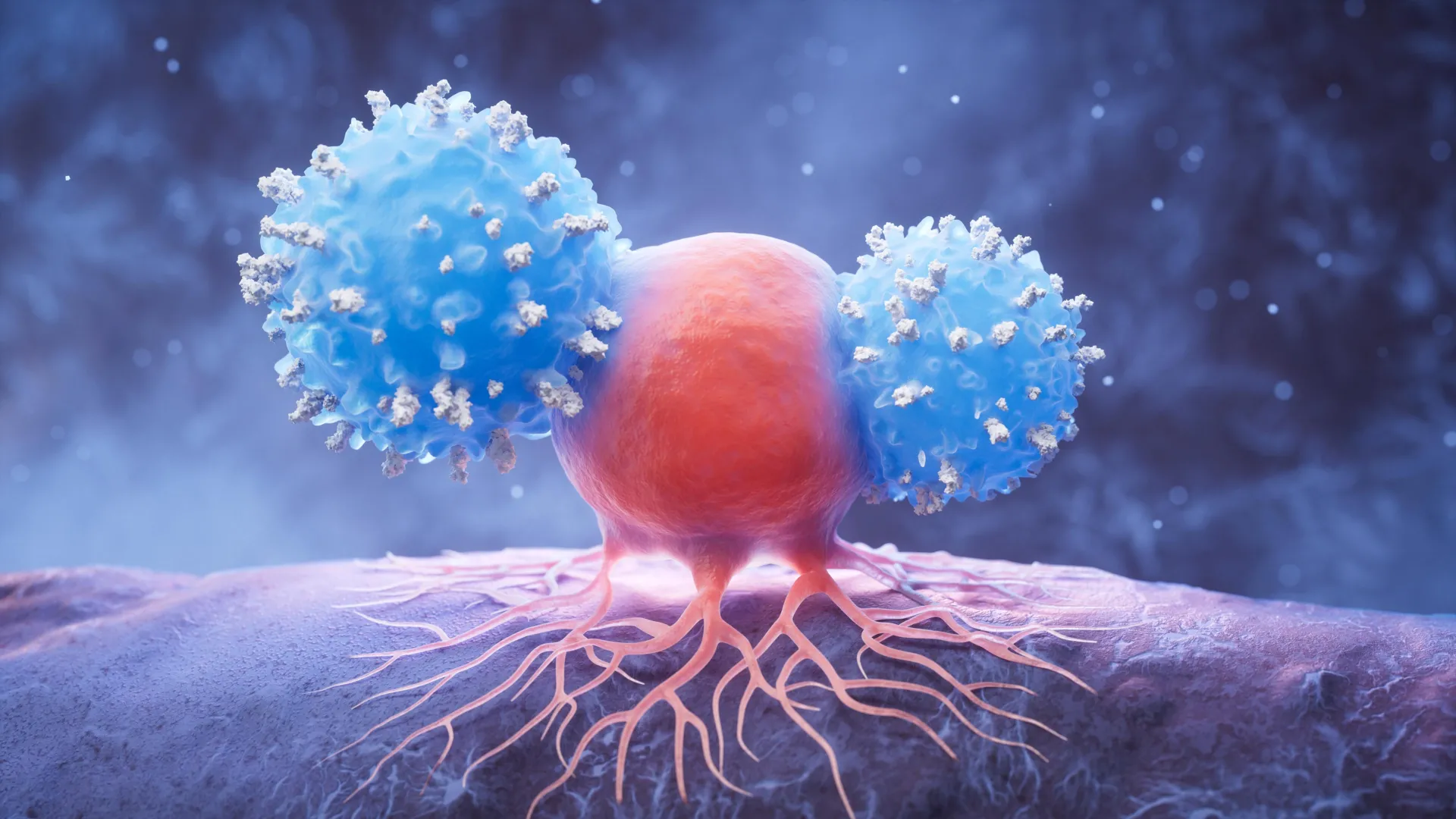
Glioblastoma is characterized by its relentless, infiltrative nature. Unlike some tumors that grow as a discrete, encapsulated mass, glioblastoma cells are notorious for sending microscopic tendrils deep into the surrounding, healthy brain tissue. This biological "root system" makes surgical removal—the first line of defense—an exercise in near-impossibility. Even with the most sophisticated neurosurgical techniques, microscopic residual cancer cells inevitably remain, serving as the seeds for rapid recurrence.
The standard of care, often referred to as the Stupp protocol, involves a grueling regimen of surgery, radiation therapy, and chemotherapy with temozolomide. While this approach can temporarily stall the disease, the vast majority of patients face a grim prognosis. The tumor is not only physically invasive; it is also a master of biochemical subversion.
The "Battle for the Brain": Reawakening the Immune System
The research currently underway at the University of Calgary, led by Dr. Gloria Roldan Urgoiti, an oncologist specializing in neuro-oncology, and Dr. Wee Yong, a renowned neuroscientist, focuses on a critical, often-overlooked mechanism of glioblastoma: immune suppression.
"Normally, the immune system will try to counter and prevent tumor growth, however, this brain cancer suppresses the immune system," explains Dr. Yong, a professor at the Cumming School of Medicine (CSM). The tumor creates a hostile microenvironment, effectively "muzzling" the T-cells and other immune warriors that would otherwise identify and destroy the malignant cells.
Dr. Yong’s laboratory, operating out of the Hotchkiss Brain Institute, hypothesized that if they could "rejuvenate" these suppressed immune cells, they might be able to turn the tide. Their early experiments in mice were striking: high doses of niacin appeared to bolster immune function, allowing the body to mount a more effective response against the tumor and, crucially, extending survival. This finding provided the necessary bridge to move the research into human clinical trials.
Chronology of a Clinical Trial
The journey from bench to bedside began with rigorous preclinical validation. Once the efficacy of niacin was observed in murine models, the researchers designed a combined Phase I and Phase II clinical trial.
Phase I: Establishing Safety
The initial phase focused on safety and pharmacokinetics. In oncology, the leap from laboratory to patient is fraught with variables. The team had to determine the maximum tolerated dose of controlled-release niacin when administered in conjunction with standard-of-care radiation and chemotherapy. Unlike the simple over-the-counter vitamins found on pharmacy shelves, the niacin used in this trial is a pharmaceutical-grade, controlled-release formulation, strictly managed to avoid the potential toxicity associated with high-dose vitamin consumption.
Phase II: Measuring Efficacy
Having established a safe dosing profile, the trial transitioned into a Phase II framework, where the primary objective shifted to measuring clinical benefit. The researchers set a high bar for success: they established a benchmark of progression-free survival (PFS) at six months. They stipulated that if the treatment did not improve PFS by at least 20 percent compared to historical data, the trial would be deemed unsuccessful and discontinued.
Data Analysis: The Early Signals of Success
The preliminary results, published in the Journal of Neuro-Oncology, have generated cautious optimism within the medical community. The data, drawn from the first 24 participants, showed that 82 percent of patients remained progression-free at the six-month mark. When compared to the historical performance of standard treatment alone, this represents a 28 percent increase—exceeding the researchers’ pre-set threshold.
While this data is compelling, both Dr. Roldan Urgoiti and Dr. Yong are quick to provide context. "Anything that may help should be explored, but it requires strict protocols and safety monitoring," says Dr. Roldan Urgoiti. "Glioblastoma is the most aggressive brain cancer in adults. Survival of patients with this condition hasn’t changed significantly for 20 years."
The researchers emphasize that while the 28 percent improvement is a significant "signal," the study group remains small. The trial is currently enrolling to reach a target of 48 participants, with the final analysis expected by late 2026 or early 2027.
The Patient Perspective: Hope in the Face of Uncertainty
For Ed Waldner, the trial has been more than a medical intervention; it has been a psychological lifeline. "I have no problem trying to help anybody. I agreed. I want to help myself too," Waldner says. He speaks candidly about the desolation he felt immediately following his surgery, when the medical team informed him that there were no further standard options available. "Being part of this research helps me mentally because we’re trying."
For Waldner, the trial offers a sense of agency in a disease process that often feels entirely out of the patient’s control. Regular scans are no longer just nerve-wracking hurdles; they are opportunities to see if the treatment is holding the line. "I’m feeling very good," he says, noting the relief that comes when his doctors use the word "stable."
Clinical Implications and Warnings
It is vital to distinguish the clinical trial’s approach from anecdotal health advice. The researchers stress that the public should not attempt to self-medicate with high-dose niacin.
"Although niacin is a vitamin, it should not be viewed as harmless simply because it is widely available," the researchers warn. High doses of B3 can be hepatotoxic, cause significant flushing, or interact negatively with other medications. The clinical trial employs a controlled-release mechanism and rigorous, frequent blood work to monitor for side effects—a level of oversight that is impossible to replicate at home.
The trial’s focus on the immune microenvironment represents a shifting paradigm in oncology: moving away from solely attacking the tumor and toward optimizing the host’s internal defenses. By re-energizing the immune system to recognize the "hidden" cancer cells, the niacin protocol acts as an adjuvant therapy, potentially sensitizing the tumor to existing treatments.
Conclusion: A Long Road Ahead
The path to curing glioblastoma remains one of the greatest challenges in modern medicine. While the early findings from the University of Calgary are promising, they are a single step in a long, arduous process. The trial’s success will ultimately be measured by its ability to replicate these early signals in a larger, more diverse patient population over a longer duration.
For now, the project stands as a testament to the importance of "outside-the-box" research. By repurposing a common, well-understood compound like niacin to solve a complex immunological problem, Drs. Roldan Urgoiti and Yong are providing a glimmer of hope. For patients like Ed Waldner, that hope is not just a statistical variable—it is a reason to keep moving forward. As the research team continues their work, the medical community will be watching closely, waiting to see if this modest vitamin can indeed help tip the scales in the ongoing battle for the brain.
The University of Calgary study is supported by the Canadian Institutes of Health Research and the Alberta Cancer Foundation. Further developments will be reported as the trial moves toward its final analysis in 2027.