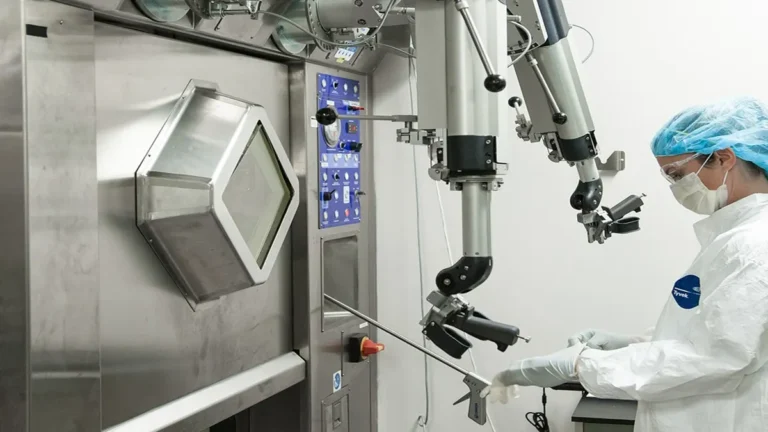












In a landmark moment for biotechnology and public health, the U.S. Food and Drug Administration (FDA) has officially granted approval for mFlusiva, the first-ever influenza vaccine developed using messenger RNA (mRNA) technology. The vaccine, developed by Cambridge-based biotech giant Moderna, marks a pivotal shift in how the medical community approaches seasonal respiratory viruses, transitioning from decades-old egg-based production methods to the rapid, adaptable genetic platform that revolutionized the global response to COVID-19.
This approval represents more than just a new product launch; it serves as a critical regulatory victory for Moderna, which has faced a volatile path toward demonstrating the viability of its mRNA platform beyond the pandemic.
The Core Facts: What You Need to Know
The FDA’s authorization for mFlusiva (formerly identified as mRNA-1010) covers adults aged 50 and older. The approval is bifurcated: for adults aged 50 to 64, the vaccine has received standard approval based on established safety and efficacy data. For the high-risk population aged 65 and older, the agency has granted "accelerated approval."
This accelerated designation is contingent upon the completion of a post-marketing confirmatory study. Moderna has already aligned with federal regulators on a rigorous trial framework, which is slated to span the next two flu seasons. This dual-track approach allows the vaccine to enter the market for the most vulnerable demographics while ensuring that long-term real-world efficacy data continues to be gathered.
Moderna anticipates that mFlusiva will be available to the American public in time for the 2026-2027 influenza season. Meanwhile, the company is actively pursuing regulatory submissions in Europe, Canada, and Australia, signaling an intent to turn mFlusiva into a global standard for seasonal protection.
A Tumultuous Chronology: From Stagnation to Approval
The road to this week’s announcement was anything but straightforward. Moderna’s initial strategy was to bypass a standalone flu shot in favor of a combined COVID-19 and influenza vaccine. However, that ambitious plan hit a wall when regulators requested more granular data on the influenza component of the shot, forcing the company to pivot back to a standalone product.
After compiling the requested data, Moderna faced further friction. In an unprecedented move that sent shockwaves through the biotech industry, the FDA—under the leadership of Commissioner Marty Makary and deputy Vinay Prasad—initially "refused to file" the application for review. This rejection was highly controversial, drawing widespread criticism from medical experts and industry analysts who argued the data was sufficient for consideration.
The landscape shifted dramatically in the following months. Following a formal, high-stakes meeting between Moderna executives and the agency, the FDA reversed its position, agreeing to review the application. The subsequent departure of Makary and Prasad from the agency ushered in a period of transition, with interim leadership adopting a more collaborative posture toward pending drug and vaccine applications.
By June, the momentum had clearly swung in Moderna’s favor. A meeting of the FDA’s Vaccines and Related Biological Products Advisory Committee (VRBPAC) resulted in a unanimous recommendation to approve the vaccine, with panelists emphasizing that the potential benefits for the 50-plus population significantly outweighed any identified risks.
Supporting Data: Why mRNA Matters
The primary argument for mFlusiva lies in the inherent speed and precision of mRNA technology. Traditional flu vaccines are often manufactured using chicken eggs, a slow process that requires "expert guesswork" months in advance to predict which viral strains will be most prevalent during the upcoming season. If the predictions are off, the vaccine’s efficacy drops.
mRNA technology, by contrast, acts like a software code for the immune system. It teaches the body to recognize specific viral proteins, allowing for a much faster production cycle that can be adjusted to match emerging strains with far greater agility.
In the clinical trial results published in the New England Journal of Medicine, Moderna demonstrated that mFlusiva significantly outperformed the current standard of care. Among adults 50 and older, the mRNA vaccine reduced the incidence of influenza-like illness by 27% compared to traditional high-dose vaccines.
Regarding safety, the profile of mFlusiva is consistent with previous mRNA-based vaccines. While clinical trial participants reported common side effects—including injection site soreness, muscle aches, joint pain, and fatigue—no new or serious safety signals were identified by either the company’s internal monitors or the FDA’s independent staff reviewers.
Official Responses: Leadership Perspectives
The approval has been hailed by Moderna leadership as a vindication of their long-term scientific strategy. In a statement released shortly after the announcement, Moderna CEO Stéphane Bancel framed the milestone as a victory for public health.
"Flu remains a significant public health challenge, and mFlusiva provides an important new option for America’s seniors," Bancel stated. "This approval also reflects the ongoing potential of our mRNA platform to address important public health challenges through continued scientific innovation."
The scientific community has echoed this sentiment. During the June advisory committee meeting, Dr. Flor Munoz-Rivas, an associate professor of pediatrics and infectious disease at Baylor College of Medicine, praised the quality of the data presented. "The studies that were presented today were very well conducted," she noted. "They have very clear results that are very robust." Dr. Munoz-Rivas added that the adoption of this technology is a vital step in ensuring the U.S. remains "better prepared for emerging strains or pandemic strains in the future."
The Strategic Implications
For Moderna, this approval is a necessary catalyst for growth. While the company became a household name due to its COVID-19 vaccine, sales have seen a sharp decline as the pandemic phase of the virus has faded. Despite a robust pipeline of experimental therapies, Moderna has struggled to secure another commercial "blockbuster" product.
The successful commercialization of mFlusiva carries several long-term implications:
- Platform Validation: The approval serves as a "proof of concept" that the mRNA platform is a sustainable engine for non-pandemic vaccines. This is likely to increase investor confidence in the company’s broader pipeline, which includes vaccines for RSV, shingles, and even cancer treatments.
- Market Disruption: By targeting the seasonal flu market—a multi-billion dollar industry currently dominated by legacy pharmaceutical companies—Moderna is positioning itself to capture significant market share. If mFlusiva proves effective in the real world, it could force a fundamental reevaluation of current seasonal vaccination protocols.
- Pandemic Preparedness: Perhaps most importantly, this approval enhances national security. By scaling the production of mRNA flu vaccines, the U.S. builds the manufacturing infrastructure and logistical expertise required to pivot rapidly in the event of a novel respiratory pathogen outbreak.
Conclusion: A New Standard of Care
The approval of mFlusiva is a testament to the maturation of mRNA technology. While the regulatory journey was turbulent, the final result is a product that promises to modernize the way we approach one of the most persistent threats to public health.
As the medical community turns its attention to the upcoming 2026-2027 season, all eyes will be on the rollout of this vaccine. For the seniors who stand to benefit most, mFlusiva offers a more precise, high-tech defense against the flu. For Moderna, it marks the end of a challenging period of transition and the beginning of a new chapter, proving that the lessons learned from the pandemic have fundamentally reshaped the future of medicine.
With ongoing confirmatory studies and future international filings on the horizon, the launch of mFlusiva is not merely a seasonal update—it is the opening of a new frontier in immunization.