











By Jacob Bell
Published August 7, 2026
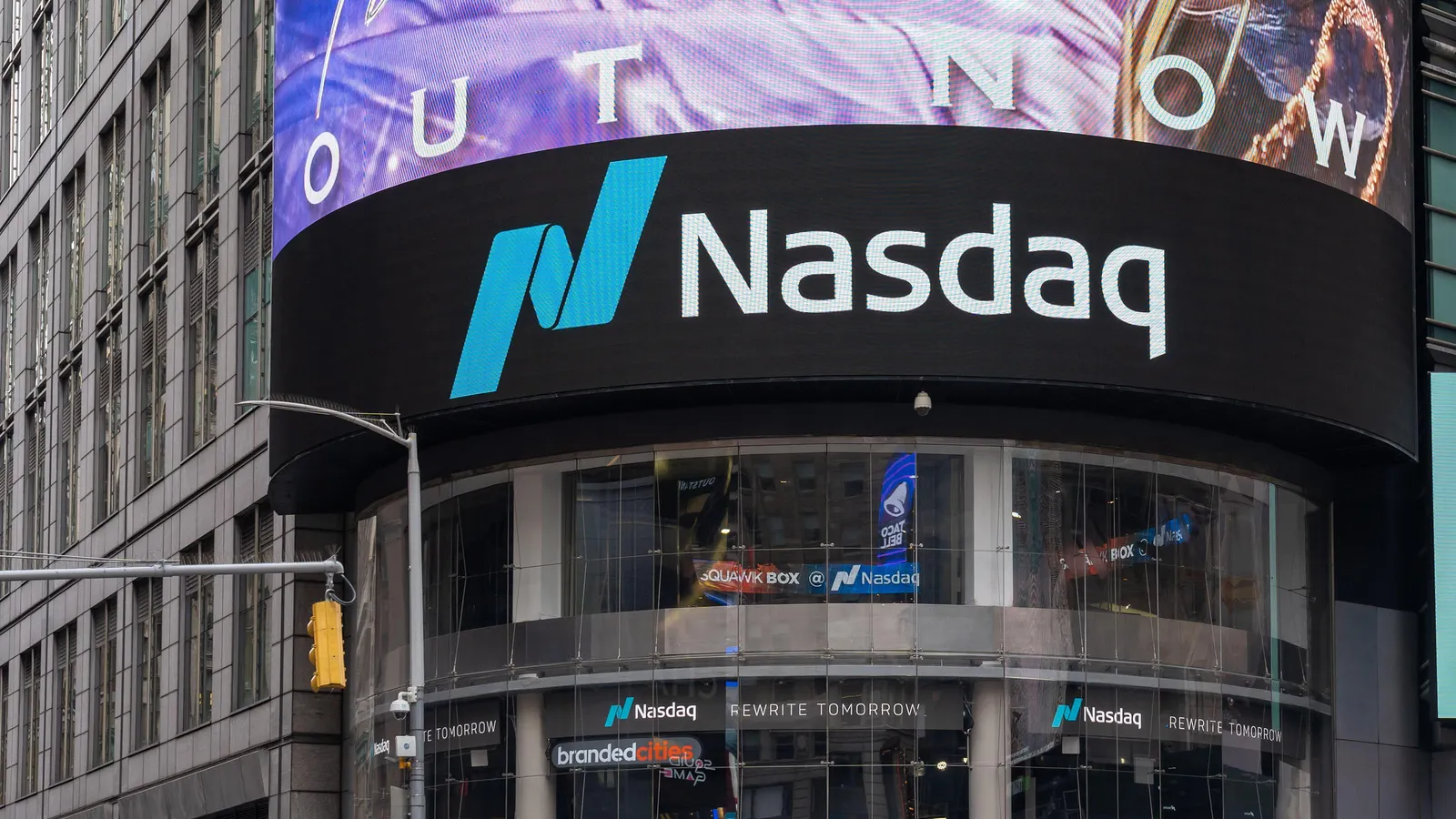
The biotechnology sector, having weathered a grueling, multi-year valuation drought, is signaling a definitive shift in investor sentiment. In a display of renewed confidence, Los Angeles-based Latigo Biotherapeutics made a splash on the Nasdaq exchange this Thursday, securing $345.6 million in an upsized initial public offering (IPO). As the company prepares to challenge industry giants in the race to solve the chronic pain crisis without the addictive risks of traditional opioids, its successful debut serves as a bellwether for a broader, high-stakes rebound in the life sciences market.
Main Facts: The Latigo IPO and the Non-Opioid Frontier
Latigo Biotherapeutics’ market entry was marked by strong institutional demand. The company priced 19.2 million shares at $18 each, exceeding initial expectations and underscoring a robust appetite for novel therapeutic platforms. Trading under the ticker symbol "LTGO," the company’s valuation reflects its strategic focus on sodium ion channel modulation—a sophisticated approach to intercepting pain signals at the nerve level before they reach the brain.
The $345.6 million injection provides the company with a significant war chest to advance its clinical pipeline. Latigo, founded by the venture capital powerhouse Westlake BioPartners and staffed by a cohort of neuroscience veterans from Amgen, is positioning itself to disrupt a market historically dominated by opioid-based therapies. While the company faces a path to profitability—having accrued a $266 million deficit and a $109 million net loss in 2025—investors are betting on the transformative potential of their lead asset, which is currently nearing late-stage clinical trials for acute post-surgical pain.
A Chronology of the 2026 Biotech Rebound
The success of Latigo is not an isolated event; it is the centerpiece of an exceptionally busy week for the biotech industry.
- Early 2025: Vertex Pharmaceuticals receives commercial approval for Journavx, an ion-channel-blocking pill for acute pain. Despite the landmark approval, initial sales of roughly $90 million leave Wall Street analysts cautiously optimistic but demanding more data.
- Late 2025: Eli Lilly solidifies its presence in the pain management sector by acquiring SiteOne Therapeutics in a deal valued at up to $1 billion, signaling that "Big Pharma" is aggressively moving into non-opioid pain research.
- August 4–7, 2026: A flurry of IPO activity hits the Nasdaq. Within a single week, four major biotechs—Latigo Biotherapeutics, BlossomHill Therapeutics, Braveheart Bio, and Attovia Therapeutics—successfully go public.
- August 7, 2026: Latigo officially begins trading on the Nasdaq, capping off a week of record-breaking capital infusion for the sector.
Supporting Data: The Scale of the Current Wave
The sheer volume of capital entering the market suggests the industry has emerged from its prolonged "winter." According to data compiled by BioPharma Dive, 2026 has witnessed 14 separate biotech IPOs exceeding the $250 million threshold. To put this into perspective, that single-year tally equals the combined total of the previous four years of major biotech listings.
This influx of liquidity is vital for high-burn-rate companies like Latigo. Before going public, the company had already secured $322 million in private funding, a testament to the venture capital community’s belief in the "benchtop science" behind their ion-channel technology. David Allison, a managing director at Westlake BioPartners, articulated the high-stakes logic behind the investment late last year: "It was a basic benchtop science exercise, knowing that on the other side there could be a GLP-1-like, decabillion-dollar market."
Competitive Landscape: The Battle for Pain Management
Latigo enters a "burgeoning market" characterized by high barriers to entry and massive potential rewards. The company’s primary competitors are industry behemoths that have already made significant strides:

Vertex Pharmaceuticals
Vertex acts as the current incumbent with Journavx. While the drug provides a viable alternative to opioids, its slow start in sales has created a window of opportunity for competitors like Latigo to demonstrate better efficacy or a more favorable side-effect profile.
Eli Lilly
Lilly’s acquisition of SiteOne Therapeutics highlights the strategic importance of this field. By moving into the pain space, Lilly is signaling that the next frontier of blockbuster medicine—following the success of GLP-1 agonists—may well be the treatment of chronic pain, a condition affecting approximately 25% of the American population.
Implications: A New Era for Pain Research
The shift toward ion-channel-blocking drugs represents more than just a financial trend; it represents a public health imperative. The U.S. continues to struggle with the consequences of long-term opioid use, and the development of non-addictive, targeted therapies is seen as a necessary evolution in standard care.
Clinical Implications
If Latigo’s pipeline successfully clears the regulatory hurdle of late-stage trials, it will offer a new class of "precision medicine" for pain. Unlike opioids, which blanket the nervous system and carry significant addiction risks, Latigo’s drugs are designed to be highly selective, targeting only the sodium channels involved in pain signaling.

Market Implications
For investors, the success of these IPOs suggests that the market is finally distinguishing between speculative biotech ventures and those with solid clinical foundations. However, the pressure remains high. With large-scale capital comes the expectation of delivering clinical milestones. As these companies transition from private to public, the spotlight will intensify on their quarterly trial updates.
The Macro View
The "historic, multiyear downturn" in biotech appears to be firmly in the rearview mirror. The current wave of IPOs is supported by an underlying confidence in the science of neuroscience and pain management. If the current momentum continues, the next 24 months could see a fundamental change in how chronic and acute pain are managed in clinical settings, potentially saving thousands from the risks of opioid dependency while creating immense value for shareholders and patients alike.
As Latigo Biotherapeutics steps into the public arena, the company carries with it the hopes of a sector eager to prove that its best days are ahead. With $345.6 million in new funding and a technology platform that targets one of the most pervasive human conditions, the company is not just listing on an exchange—it is entering a race that will define the future of pain medicine for the next decade.