







Updated: August 7, 2026
In the frantic, concrete sprawl of New York City, the transition from "impenetrable urbanite" to "approachable yogi" is a phenomenon that transcends simple exercise. For many, the yoga mat has evolved from a mere piece of equipment into a social signal—a physical indicator that the carrier is open to the world. This transformation, while occasionally jarring for those seeking a moment of pre-class solitude, has sparked a larger conversation about the role of mindfulness in dense urban environments and the unexpected power of community in a city often characterized by its anonymity.
The Evolution of the Urban Commuter
Before the rise of mainstream yoga, the typical city dweller navigated the streets with a "protective armor." Racing to offices, navigating the chaos of dogs, bicycles, and crowds, the average New Yorker was "trapped in their head," wrestling with personal and professional challenges. In this state, the city is navigated as a series of obstacles to be overcome rather than a space to inhabit.
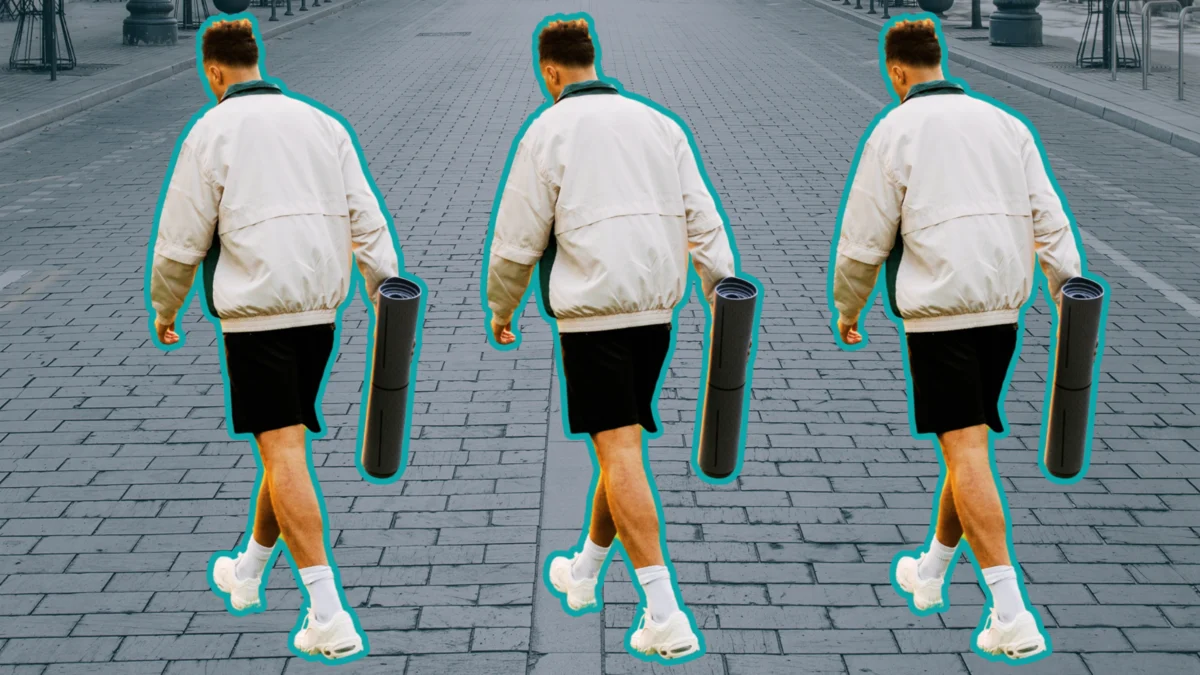
However, the modern practitioner’s journey to the studio represents a radical departure from this mindset. Carrying a yoga mat—a visible, recognizable totem—shifts the internal state of the individual. As they walk, they enter a "poetic bubble" of introspection. Yet, this peaceful, meditative state is frequently interrupted by the very nature of the city. The yoga mat, it turns out, acts as a lighthouse, signaling to tourists and locals alike that the bearer is a person who is approachable, friendly, and perhaps—if the stereotype holds true—a repository of calm.
Chronology of Connection: Three Encounters
The experience of the modern urban yogi is defined by these "tranquility interruptus" moments. While these interactions begin as unplanned disruptions, they frequently evolve into meaningful exchanges that bridge the gap between strangers.
The Transformation of the Overburdened Professional
One morning, in an apartment building elevator, a resident met a neighbor—a woman juggling two children, a high-stakes legal career, and the stresses of a traveling spouse. The encounter was brief, but the mat acted as an entry point for vulnerability. The woman confessed a long-standing desire to return to her practice, expressing that her life felt cluttered and unmanageable.
Following a brief encouragement—a reminder that self-care is a prerequisite for caring for others—the neighbor vanished. Two months later, the pair met again in the same elevator. The woman’s transformation was palpable; she was carrying her own mat, exuding a sense of vitality that suggested a release from a "body cast." This encounter highlights the ripple effect of the yoga community, where one person’s commitment to practice serves as a catalyst for another’s.
The Rite of Passage for the Newcomer
In another instance, a young woman, fresh to the city and reeling from a sudden, life-altering breakup, found solace through a chance meeting at a doggy daycare. Her "What have I done?" expression, which any seasoned New Yorker recognizes as a quintessential rite of passage, drew a sympathetic response from a passing practitioner.
What followed was a ten-block walk that functioned as a therapeutic intervention. By introducing the newcomer to a local studio, the older practitioner provided more than just a class; she provided a social network. Within weeks, the newcomer had moved from a state of tearful despair to being integrated into a new group of friends, having found a career path in the non-profit sector. The yoga mat had served as a bridge, transforming a traumatic relocation into a new chapter of personal growth.
The "Namaste" Bridge: Bridging the Generational Divide
Perhaps the most poignant interaction occurred at a busy intersection, where a "sparkly-eyed" senior citizen engaged a yogi while waiting for the signal to walk. The conversation began with a joke about the word namaste and evolved into a discussion about physical longevity.
While the senior citizen relied on pharmaceutical aids like Voltaren to remain mobile, he shared a commonality with the yogi: a refusal to view himself as "old." Their conversation, brief as it was, stripped away the barriers of age and background. As the pair parted ways, the senior citizen’s enthusiastic shout of "NAMASTE!" served as a humorous yet sincere testament to the power of a shared, fleeting connection in a public space.
Supporting Data: The Science of Social Proximity
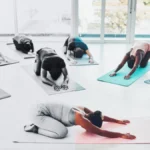
Psychologists and urban sociologists have long noted that "micro-interactions" in public spaces—what researchers call "weak ties"—are essential for mental health in large cities. According to a 2025 study on urban wellness, individuals who participate in community-based wellness activities (such as group yoga) report a 35% higher perception of social safety and community belonging than those who do not.
The yoga mat acts as a non-verbal cue that signals social availability. In a digital age where most people are insulated by noise-canceling headphones and smartphones, the visible presence of a mat suggests that the owner is grounded in the present moment, making them a "prime target" for those seeking genuine human connection.
Official Perspectives: The Yoga Community’s Stance
Representatives from prominent yoga organizations note that this "bridge-building" is a fundamental, if informal, tenet of the practice.
"The mat is not just a place to exercise," says one senior instructor at a Manhattan studio. "It is a mobile sanctuary. When you carry that sanctuary into the public square, you are signaling that you are willing to hold space for others. Whether it’s giving directions to a lost tourist or lending an ear to a neighbor in the elevator, the practice extends far beyond the four corners of the mat."
Experts emphasize that this openness is not merely about being "nice"; it is about fostering a sense of collective resilience. By allowing their bubble of tranquility to be "popped" by the needs of others, urban yogis are actively participating in the maintenance of their city’s social fabric.
Implications for Urban Life
The implications of this phenomenon are significant. As cities become increasingly dense and impersonal, the "Yoga Effect" suggests a path forward for social cohesion.
- Redefining "Me-Time": The practice proves that true wellness does not require total isolation. Rather, the ability to maintain one’s own calm while engaging with the unpredictability of the city is the ultimate mark of a successful practice.
- The Power of Vulnerability: The stories of the "No Me-Time Mom" and the "NYC Newbie" demonstrate that admitting to a need for change—and allowing oneself to be helped—is a strength.
- Community as a Superpower: When the practitioner tells the newcomer, "Make calm your new superpower," they are identifying a key survival skill for the 21st century.
In conclusion, while the yoga mat may be a target for tourists and a magnet for conversation, it remains an essential tool for human connection. It forces the individual to navigate the world with an open posture, both physically and metaphorically. Whether it leads to a new friendship, a simple "namaste" shouted across a street, or a life-changing decision to start one’s own practice, the act of carrying a mat is, in itself, a contribution to the city. It reminds us that even in the most crowded, fast-paced environments, we are never truly alone—provided we are willing to let our bubbles burst.