








In an era dominated by standardized medical protocols, the ancient Indian system of Ayurveda offers a radical alternative: a medicine of the individual. While modern allopathic medicine often categorizes diseases into broad, universal labels, Ayurveda operates on the fundamental premise that no two human bodies—and no two human experiences—are identical. This individualized philosophy is not merely a holistic preference; it is the cornerstone of a sophisticated clinical framework designed to address the root causes of disease rather than merely suppressing symptoms.
The Core Philosophy: Why Customization Matters
The Ayurvedic approach is remarkably granular. Consider the concept of pain. In many clinical settings, pain is treated as a uniform signal requiring analgesics. In Ayurveda, however, pain is classified by its underlying energetic quality—whether it is Vata-type (erratic and sharp), Pitta-type (burning and inflammatory), or Kapha-type (dull and heavy). Each requires a distinct therapeutic protocol.
This complexity extends to chronic conditions as well. While modern medicine may categorize diabetes into two primary types, traditional Ayurvedic literature identifies 20 distinct classifications. By recognizing these nuances, an Ayurvedic practitioner acts as a diagnostic architect, identifying the samprapti (the disease process) to understand exactly where an imbalance originated and how it is manifesting in the body’s tissues.
Understanding the Role of the Practitioner
The transition from symptom management to root-cause resolution requires a highly trained clinical eye. An Ayurvedic practitioner must evaluate the patient’s prakruti (their inherent state of balance) and vikruti (their current state of imbalance). They must also assess agni (digestive fire) and the accumulation of ama (metabolic toxins).
This diagnostic depth is essential for creating a treatment plan that is not just a "band-aid," but a systemic reset. Without this specialized oversight, even the most potent therapies can be misapplied, potentially leading to further discordance within the body’s delicate energetic ecosystem.
The Three Stages of Panchakarma: A Deep Dive
At the heart of intense Ayurvedic detoxification is Panchakarma. Translating literally to "five actions," Panchakarma is a rigorous, multi-stage process designed to pull deep-seated toxins from the tissues and flush them from the digestive tract. However, it is not a standardized "spa treatment"; it is a clinical intervention that requires careful sequencing.
Stage 1: Purvakarma (The Preparatory Phase)
Before any detoxification can occur, the body must be readied. This is the stage of Purvakarma. Practitioners focus on two primary objectives: kindling agni and internal oleation.
Kindling the digestive fire is essential because a weak metabolism cannot process toxins. Depending on the patient, this might involve the use of ginger, specific spices, or regulated hydration. Simultaneously, the practitioner introduces internal oleation—the administration of medicated ghees or oils. This internal lubrication is the key to "melting" toxins stored in deep adipose and connective tissues, allowing them to migrate into the gastrointestinal tract for eventual elimination.
Stage 2: Pradhanakarma (The Five Primary Actions)
Once the system is primed, the practitioner initiates the five primary actions of Pradhanakarma, each targeting a specific site of imbalance:
- Virechana (Purgation): Targeted at the small intestine, liver, and gallbladder, this process uses mild herbal laxatives to purge excess Pitta dosha, addressing inflammatory conditions and hepatic heat.
- Basti (Medicated Enema): This is the primary treatment for Vata disorders. By introducing herbalized teas or oils into the colon, the practitioner can nourish the intestinal lining and restore systemic balance, as the colon is considered the root site for Vata energy.
- Vamana (Therapeutic Emesis): Reserved for specific cases of high Kapha accumulation, this process involves the use of licorice and salt water to clear excessive phlegm and mucus from the respiratory and digestive systems. It is a potent therapy, indicated only for those who truly require it.
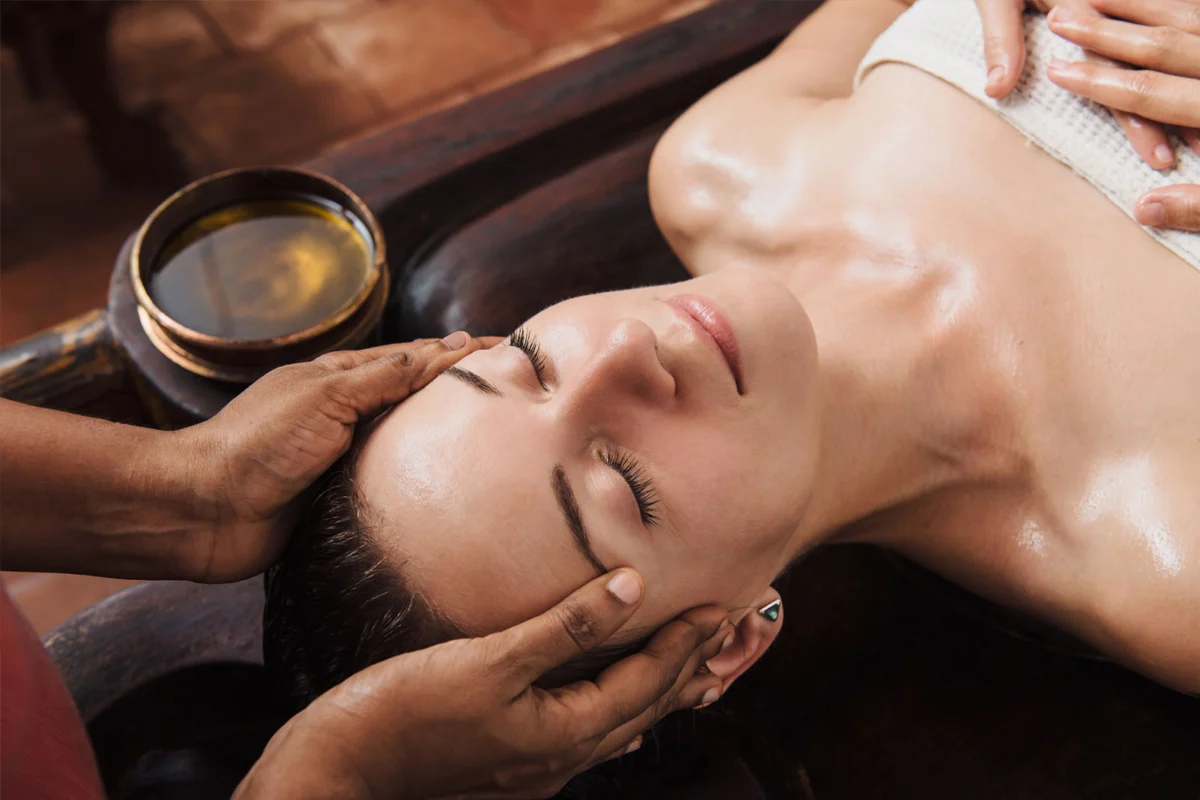
- Nasya (Nasal Administration): By applying specialized oils to the nasal passages, practitioners address imbalances in the "head space." This is widely used to improve cognitive function, clear sinus congestion, and alleviate the mental fog associated with chronic stress.
- Raktamoksha (Blood Cleansing): Historically involving leech therapy, this process is designed to purify the blood (rakta), which Ayurveda views as the life-giving force (jivanam) of the body. In modern Western contexts, practitioners utilize modified techniques to achieve similar results, ensuring that the circulatory system is free of toxins that impede the flow of prana (life force).
Stage 3: Paschyatkarma (The Rejuvenation Phase)
The final stage, Paschyatkarma, is perhaps the most overlooked by novices but the most critical for long-term health. Following a deep cleanse, the body is in a vulnerable, highly receptive state. If a patient immediately returns to their previous lifestyle, the benefits of the detox are quickly lost. The practitioner must design a bespoke "post-PK" protocol that emphasizes tissue nutrition, digestive support, and the gradual reintegration of healthy habits to ensure the body does not slip back into its former patterns of imbalance.
The Implication of Clinical Rigor
The growing popularity of Ayurveda in the West presents both an opportunity and a risk. As demand increases, the market has seen an influx of "wellness" centers that treat Panchakarma as a commodified, one-size-fits-all experience.
Medical experts and traditional practitioners warn that this dilution is dangerous. Because the process involves shifting the body’s internal chemistry, a lack of expert guidance can lead to unintended side effects or the exacerbation of pre-existing conditions. The "five actions" are not merely physical processes; they are interventions that change how the body regulates itself.
Choosing the Right Path
For those seeking to explore Ayurveda, the onus is on the individual to research the practitioner’s credentials. A qualified practitioner should be able to articulate the rationale behind every aspect of the treatment, from the specific herbs used in the Basti to the duration of the Purvakarma phase.
When choosing a center for health and healing, patients should look for:
- Deep Diagnostic Assessment: An intake process that evaluates Prakruti and Vikruti before any treatment is scheduled.
- Customized Protocols: A clear refusal to use "cookie-cutter" programs. Every step should be explainable in the context of the patient’s unique health history.
- Post-Treatment Continuity: A commitment to the Paschyatkarma phase, ensuring that the patient has a plan for long-term maintenance after they leave the facility.
Future Trends and Academic Integration
As global interest in integrative health continues to surge, the dialogue between traditional Ayurvedic wisdom and modern research is expanding. Educational programs are becoming more rigorous, focusing on the clinical application of these ancient techniques within a modern safety framework.
Institutions like the Ayurveda.com education program are bridging the gap, training practitioners to navigate the complexities of both traditional Vedic science and modern health standards. Similarly, specialized facilities like the SoHum Mountain Healing Resort represent a shift toward high-standard, immersive healing environments where the ancient traditions are upheld with the clinical integrity they deserve.
Conclusion: The Path Forward
Ayurveda’s endurance over thousands of years is a testament to its efficacy. However, its success is predicated entirely on the principle of individualization. By shifting our perspective from the "standardized" model to one that acknowledges the unique energetic blueprint of every human being, we unlock a more profound capacity for healing.
Whether one is suffering from chronic inflammation, digestive distress, or the pervasive fatigue of modern life, the answer lies not in a new, universal pill, but in the meticulous, personalized care that characterizes the true practice of Ayurveda. As we move forward, the most successful wellness journeys will be those that honor this tradition: deeply rooted in ancient wisdom, carefully curated by an expert hand, and meticulously tailored to the individual soul.