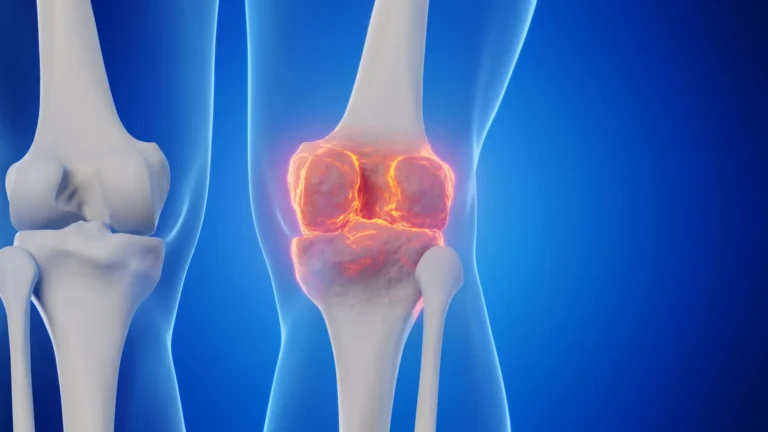





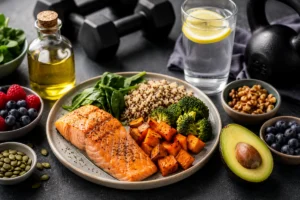
In the modern fitness landscape, the term "inflammation" has been transformed from a vital biological process into a marketing buzzword. From social media influencers touting turmeric shots to high-end supplement brands promising to "shut down" systemic inflammation, consumers are increasingly inundated with the idea that inflammation is a universal enemy. However, for fitness professionals and active individuals alike, this reductionist view ignores the complex, life-sustaining reality of how the body responds to the stresses of training.
Emerging research suggests that the most effective way to manage inflammation and optimize athletic performance is not through the pursuit of singular "anti-inflammatory" superfoods, but through the consistent application of broad, nutrient-dense dietary patterns.
The Biological Reality: Why Inflammation Matters
Inflammation is not a mistake of the human body; it is a sophisticated, coordinated defense mechanism. At its core, it is the body’s way of protecting itself, repairing damaged tissue, and restoring physiological homeostasis following injury or infection.
When a client engages in a high-intensity resistance training session or a grueling endurance run, they induce microscopic damage to muscle fibers and connective tissues. This damage triggers an acute inflammatory response. Immune cells migrate to the site of stress, signaling the beginning of the repair and adaptation process. Without this temporary inflammatory spike, the body would be unable to synthesize new proteins, repair muscle tissue, or improve overall physical capacity.
Distinguishing Acute from Chronic
The critical challenge in wellness and performance coaching lies in distinguishing between acute inflammation—the necessary, short-term response to exercise—and chronic low-grade inflammation.
While acute inflammation is the catalyst for growth, chronic inflammation is a persistent, systemic state often driven by poor lifestyle choices. Factors such as consistent intake of ultra-processed foods, chronic psychological stress, sleep deprivation, and excessive body fat are linked to elevated inflammatory biomarkers. Unlike the purposeful response to training, chronic inflammation can lead to delayed recovery, impaired training adaptations, and a heightened risk of metabolic and cardiovascular disease.
Chronology of Nutrition Science: From Nutrients to Patterns
For decades, nutritional science focused on isolating individual vitamins, minerals, and phytochemicals. While this approach helped identify the roles of specific nutrients, it often failed to account for the "matrix effect"—the complex interaction between nutrients when consumed as part of a whole food or meal.
Recent years have marked a significant shift in the academic literature. Rather than focusing on whether a specific berry or spice can "cure" inflammation, researchers are now examining "dietary patterns." Longitudinal studies on populations following Mediterranean-style diets have consistently shown that the cumulative effect of whole grains, legumes, healthy fats, and diverse produce results in lower levels of C-reactive protein (CRP) and interleukin-6 (IL-6)—both key indicators of systemic inflammation.
Supporting Data: The Pillars of Anti-Inflammatory Eating
Current evidence demonstrates that the most successful strategies for supporting long-term health involve a synergistic approach to nutrition.
- Phytochemical Diversity: Colorful fruits and vegetables are not just sources of vitamins; they are dense with polyphenols, flavonoids, and carotenoids. These compounds support the body’s endogenous antioxidant systems, helping to regulate oxidative stress without stifling the beneficial adaptations triggered by exercise.
- Gut Microbiome Health: The gut-inflammation axis is perhaps the most significant frontier in current research. High-fiber diets—rich in legumes, oats, and whole grains—provide the necessary fuel for gut bacteria to produce short-chain fatty acids (SCFAs). These SCFAs are essential for maintaining the integrity of the intestinal lining and modulating systemic immune responses.
- The Role of Healthy Fats: Omega-3 fatty acids, primarily found in fatty fish, play a specialized role in resolving inflammation. Rather than acting as a simple "blocker," these lipids assist in the body’s natural process of returning to a state of balance after a stressor.
- Hydration and Connective Tissue: Adequate fluid intake is often overlooked in discussions about inflammation. Proper hydration supports the viscoelastic properties of tendons, ligaments, and fascia, facilitating nutrient transport and waste removal at the cellular level.
Official Perspectives: The Scope of Practice
The rise of the "anti-inflammatory" trend has placed fitness professionals in a precarious position. When clients arrive with questions about restrictive elimination diets or expensive supplement regimens, coaches must navigate the fine line between general education and medical advice.
Registered Dietitians and medical professionals maintain that fitness coaches serve as vital conduits for evidence-based information. However, diagnosing medical conditions, prescribing therapeutic diets to treat disease, or managing significant food allergies falls outside the scope of a standard fitness certification. The consensus among health organizations is that fitness professionals should focus on reinforcing foundational habits—such as meal timing, food quality, and hydration—while referring clients with chronic pain or suspected inflammatory conditions to specialized practitioners.
Implications for Training and Recovery
The most profound implication of this research is that recovery is not a post-workout event; it is an ongoing physiological process.
The Cumulative Effect
A client who eats one "clean" meal after a workout but relies on highly processed foods for the rest of the day, sleeps only five hours, and remains chronically stressed cannot "supplement" their way to better performance. The body does not recognize individual meals in isolation; it recognizes the cumulative nutritional environment provided over days and weeks.
Training Consistency vs. Performance Peaks
For the vast majority of recreational athletes, the "performance advantage" of an anti-inflammatory dietary pattern is not found in a split-second improvement in speed. Instead, it is found in the ability to train consistently. By reducing the systemic inflammation that leads to fatigue and overuse injuries, these dietary patterns allow individuals to complete their training blocks with fewer interruptions. In the long term, this consistency is a far more powerful driver of progress than any isolated nutritional "hack."
Avoiding the "All-or-Nothing" Trap
Many clients enter the fitness space with a predisposition toward restrictive, "all-or-nothing" eating. They may attempt to eliminate gluten, dairy, or nightshades based on internet trends. Coaches play a crucial role in steering clients away from this mindset. An evidence-based approach prioritizes addition over elimination. By encouraging clients to add more color, fiber, and high-quality protein to their plates, coaches can naturally crowd out the nutrient-poor, ultra-processed foods that contribute to systemic inflammation.
Conclusion: The Path Toward Sustainable Performance
The future of sports nutrition is moving away from the allure of "magic bullets" and toward a more integrated understanding of human physiology. For the fitness professional, the goal is to demystify the science of inflammation and empower clients to make choices that are both evidence-based and livable.
By focusing on the "big rocks"—overall dietary patterns, sleep, stress management, and consistent, appropriately dosed training—coaches can help clients build a foundation that is resilient enough to handle the stresses of modern life. Ultimately, the most powerful tool in a client’s recovery arsenal is not a pill or a restrictive diet, but a consistent commitment to a lifestyle that nourishes, repairs, and sustains the body in the long term.
When we shift our focus from "fighting inflammation" to "supporting physiological regulation," we provide clients with the tools to not only perform better in the gym but to live healthier, more vibrant lives outside of it.