







For decades, the public narrative surrounding Alzheimer’s disease has been dominated by a single, narrow lens: memory loss. While the erosion of cognitive function is a hallmark of the condition, it represents only a fraction of the complex, often harrowing reality faced by millions of families. The behavioral and psychological symptoms of dementia—ranging from debilitating agitation and sleep disturbances to profound psychosis—often inflict a heavier toll on caregivers and patients alike than the memory loss itself.
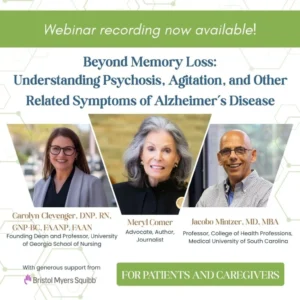
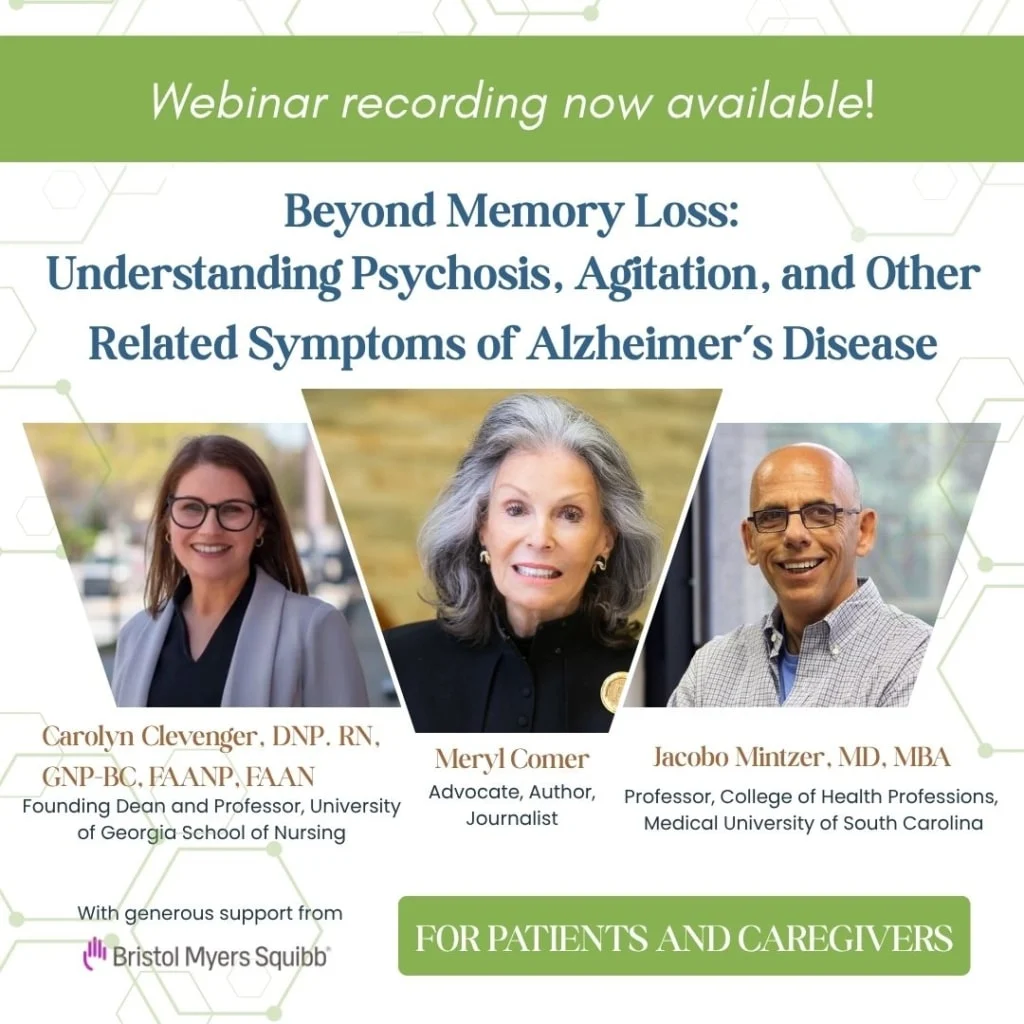
Recognizing this critical gap in public awareness and clinical support, the Alliance for Aging Research recently hosted a landmark webinar titled Beyond Memory Loss: Understanding Psychosis, Agitation, and Other Symptoms in Alzheimer’s Disease. Supported by Bristol Myers Squibb, the initiative seeks to dismantle the stigma surrounding neuropsychiatric symptoms (NPS) and provide a lifeline of education for a community that has long felt marginalized.
The Reality of Neuropsychiatric Symptoms (NPS)
Alzheimer’s disease is frequently mischaracterized as a simple process of forgetting. In reality, it is a neurodegenerative journey that often manifests through complex neuropsychiatric symptoms. These symptoms include, but are not limited to, anxiety, depression, apathy, severe agitation, sleep cycle disruptions, and the dangerous phenomenon of wandering.
Perhaps most challenging are the manifestations of psychosis, where patients may see or hear things that are not present. These symptoms are not merely "behavioral problems" or "difficult personality traits," as they are often dismissed by the public or even untrained clinical observers. They are the physiological results of a brain under siege. When a loved one becomes violent or loses touch with reality, the emotional and physical strain on the primary caregiver can reach a breaking point.
Chronology: From Concept to Global Reach
The development of the Beyond Memory Loss initiative was a rigorous, three-month endeavor designed to translate complex medical data into actionable insights for the layperson.
- Phase 1: Needs Assessment: The Alliance identified that while information on memory care is abundant, resources regarding the management of agitation and psychosis in the home setting were scarce and difficult to access.
- Phase 2: Expert Collaboration: The Alliance convened a panel featuring Meryl Comer, a renowned advocate, alongside clinical experts Dr. Carolyn Clevenger and Dr. Jacobo Mintzer. The goal was to bridge the gap between academic medicine and the lived experience of the caregiver.
- Phase 3: The Live Event: Upon its debut, the webinar drew an audience of over 3,000 live participants, signaling an urgent, latent demand for this specific type of guidance.
- Phase 4: Lasting Impact: Since the conclusion of the event, the recording has been viewed nearly 30,000 times, illustrating that the conversation is not just a one-time event but an ongoing educational necessity for the global Alzheimer’s community.
Clinical Perspectives: Managing the Unmanageable
During the webinar, Dr. Carolyn Clevenger and Dr. Jacobo Mintzer emphasized a paradigm shift in how clinicians and families should view disruptive behaviors. They argued that if these behaviors are categorized as "choices" or "willful acts," the natural human reaction is to become frustrated or punitive. If, however, they are recognized as symptoms of the disease, the response shifts from anger to empathy and management.
Practical Management Strategies
The experts provided a framework for navigating these challenges:
- Reframing the Symptom: For example, rather than viewing "wandering" as a desire to escape, caregivers should investigate it as a physical need to move or an expression of restlessness.
- Environmental Intervention: Utilizing non-pharmacological tools, such as the strategic use of music to soothe distress, can often de-escalate a situation that might otherwise require medical intervention.
- The Advocacy Imperative: Dr. Mintzer stressed that caregivers must remain persistent in their pursuit of support. They are encouraged to ask tough questions of healthcare providers and to demand management plans that address NPS specifically, rather than just general cognitive decline.
The Caregiver Experience: A Voice for the Isolated
One of the most poignant moments of the webinar involved Meryl Comer, who shared her personal experience of "living inside her husband’s version of reality." Her testimony served as a mirror for thousands of viewers who have struggled with the isolating nature of caregiving.
NPS creates a unique kind of isolation. When a caregiver is forced to manage episodes of psychosis or aggression, they often feel as though they are losing their loved one twice—first to the memory loss, and then to a volatile personality shift that they are ill-equipped to manage.
The post-webinar response was overwhelming. Messages poured into the Alliance, with caregivers expressing that for the first time, they felt "heard." This validation is a critical component of care; by reducing the shame associated with these symptoms, the Alliance is helping to prevent caregiver burnout, which is a major public health concern in itself.
Implications for the Future of Alzheimer’s Care
The success of the Beyond Memory Loss webinar highlights several systemic implications for the future of geriatric health:
1. The Need for Integrated Care Models
The current healthcare system often treats Alzheimer’s symptoms in silos. A neurologist may treat the cognitive decline, while behavioral issues are referred to psychiatry or left to the family to manage. The webinar advocates for a more integrated, multidisciplinary approach where NPS management is a standard part of the care plan from the moment of diagnosis.
2. Education as Medical Intervention
Data suggests that when caregivers are properly educated on how to handle agitation and psychosis, patient outcomes improve, and the rate of institutionalization—often triggered by the inability to manage these specific symptoms at home—decreases. Education is not just "nice to have"; it is a primary tool for disease management.
3. Policy and Stigma Reduction
As the population ages, the number of individuals living with Alzheimer’s-related psychosis is projected to rise significantly. Policy discussions must move beyond drug development to address the social infrastructure required to support the families caring for these patients. Reducing the stigma associated with the "violent" or "irrational" behaviors of dementia is a prerequisite for better public policy and increased research funding.
Conclusion: The Path Forward
The final message of the webinar was perhaps the most vital: a reminder to the thousands of caregivers watching that they are doing difficult work, and they are doing it well.
The Alliance for Aging Research, through this initiative, has proven that there is a deep, widespread hunger for honest, science-backed, and compassionate information regarding the dark side of Alzheimer’s. As we look toward the future, the goal remains clear: to ensure that no family feels forced to navigate the complexities of psychosis and agitation in silence.
The recording of Beyond Memory Loss stands as a permanent resource, a testament to the fact that while we continue the search for a cure for the memory-robbing aspects of Alzheimer’s, we must simultaneously provide immediate, robust support for the psychological and behavioral realities that define the daily lives of families today.
For those seeking to understand these symptoms better, the full webinar recording is available for viewing here.
Katrin Werner-Perez, as the Director of Health Programs at the Alliance, continues to lead these efforts to ensure that the voices of caregivers and the clinical needs of patients are at the forefront of the national health agenda.