




In an era where "biohacking" has moved from the fringes of Silicon Valley to the mainstream of social media, the quest for the Fountain of Youth has been rebranded as "health optimization." From cold plunges and continuous glucose monitors to rigorous, multi-supplement regimens and expensive longevity clinics, the modern pursuit of a longer, healthier life has become a full-time occupation.
But as the pressure to "optimize" every biological variable mounts, a critical question emerges: Are these ultra-specific, high-effort protocols actually yielding significant returns, or are we sacrificing the quality of our current lives for a hypothetical future that may never arrive?
The Rise of the Longevity Industry: A Chronology of Obsession
The modern longevity movement did not appear overnight. It is the culmination of several converging cultural and scientific shifts over the past two decades.
- 2000s – The Genomic Awakening: The completion of the Human Genome Project sparked a wave of interest in "personalized medicine." For the first time, individuals began viewing their health as a data set to be manipulated rather than a static state.
- 2010s – The Quantified Self Movement: As wearable technology (Fitbit, Oura, Apple Watch) became ubiquitous, the average person gained access to biometric data previously reserved for elite athletes. Sleep cycles, heart rate variability (HRV), and step counts became the new currency of wellness.
- 2020 – The Pandemic Catalyst: COVID-19 forced a global reckoning with metabolic health. As data suggested that chronic conditions exacerbated viral outcomes, the focus shifted from "fitness" to "resilience."
- 2023–Present – The "Biohacking" Mainstream: Influencers, podcasters, and high-profile entrepreneurs began promoting "longevity protocols"—specific, data-driven regimes designed to extend the "healthspan" (the number of years spent in good health) as well as the lifespan.
Today, the industry is estimated to be worth billions, encompassing everything from supplement stacks and hyperbaric oxygen therapy to experimental pharmacotherapy. Yet, despite this explosion of tools, the average person remains more confused than ever about what truly moves the needle.
Supporting Data: What Does the Science Actually Say?
When we strip away the marketing, the scientific consensus on longevity is remarkably simple, albeit less "glamorous" than the current trend suggests.
The Pillars of Proven Longevity
Research consistently points to a "boring" foundation that accounts for the vast majority of health outcomes:
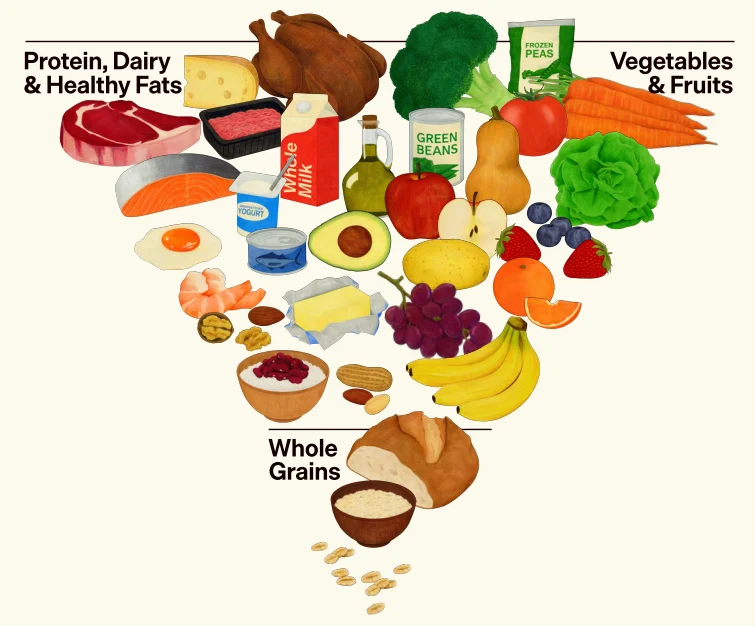
- Nutritional Consistency: A diet high in minimally processed whole foods, adequate protein, and fiber remains the gold standard.
- Physical Activity: Strength training and aerobic conditioning are the most potent "anti-aging" interventions currently known to man.
- Sleep Hygiene: Quality, consistent sleep is the bedrock of hormonal regulation and cellular repair.
- Social Connection: The Harvard Study of Adult Development, the longest-running study on human happiness, identifies strong social relationships as the single strongest predictor of longevity.
The "Optimization" Trap
In contrast, many "advanced" protocols lack robust clinical evidence for the general population. For example, while some supplements show promise in rodent models or petri dishes, their efficacy in humans often fails to translate into significant lifespan extension.
Furthermore, there is a diminishing return on investment. If you are already sleeping seven hours, eating a balanced diet, and moving your body, the marginal benefit of adding a $300-a-month supplement or a daily 4:00 AM ice bath may be negligible. For many, the stress of adhering to these rigorous protocols—often referred to as "orthorexia" when applied to diet—may actually trigger cortisol spikes and mental burnout, which are counterproductive to longevity.
The True Cost: Time, Money, and Mental Load
To understand the cost of "optimal" health, we must move beyond the price tag of a monthly supplement subscription. We must account for the opportunity cost.
- The Time Tax: Spending two hours a day on elaborate preparation—tracking macros, cold plunging, sauna sessions, and meditation—is a luxury that the average working parent or professional cannot afford. When these protocols become chores, they strip away time that could be spent on social connection, hobbies, or rest.
- The Financial Burden: The longevity industry thrives on the fear of aging. By marketing "essential" tests (like blood panels or biological age clocks) and "preventative" supplements, companies create a recurring revenue stream that is often built on speculative science.
- The Psychological Toll: There is a growing phenomenon of "health anxiety" fueled by the constant surveillance of one’s own body. When a wearable device tells you your recovery score is "low," it can create a self-fulfilling prophecy of fatigue, even if you feel fine.
Official Perspectives: The Experts Weigh In
Leading experts in metabolic health and gerontology are increasingly pushing back against the "optimization at all costs" mentality.
"Health is not a spreadsheet," notes one leading nutrition researcher. "The goal of health optimization should be to enable a high quality of life, not to turn the human body into a project of endless engineering. If your health protocol makes you miserable, it is, by definition, not healthy."

Many medical professionals emphasize that the obsession with "reversing" disease or "living to 115" often ignores the reality of the social determinants of health. Factors like economic stability, community safety, and access to clean environments remain far more significant predictors of mortality than the latest biohacking trend.
Implications: How to Find the Middle Path
So, where does this leave the person who simply wants to live a long, vibrant life? The answer lies in sustainable simplicity.
1. Focus on the Fundamentals
Before buying a new supplement, ask: "Am I hitting my protein goals? Am I lifting heavy things three times a week? Am I getting seven to eight hours of sleep?" If the answer is no, invest your energy there first.
2. Practice "Low-Friction" Health
Choose habits that integrate into your life rather than disrupting it. For example, prioritize walking with a friend over a solo treadmill session; this addresses both physical health and social connection simultaneously.
3. Adopt a "Curiosity" Mindset, Not a "Control" Mindset
Use data (like blood work or wearable tech) to inform your decisions, but do not let it dictate your self-worth. If a metric is slightly off, view it as a data point to investigate, not a reason for panic.
4. Prioritize Enjoyment
If you hate kale, don’t eat it. If you hate running, don’t run. The "best" exercise or diet is the one you can stick with for the next 40 years. Longevity is a marathon, not a sprint, and sustainability is the only metric that truly matters.
Conclusion: A Life Well-Lived
The irony of the current health optimization movement is that in our desperate attempt to live longer, we are often neglecting the very thing that makes life worth living: the present moment.
We are not robots to be programmed, but complex biological organisms that thrive on movement, connection, and joy. While it is wise to be proactive about our health, we must ensure that our pursuit of longevity does not come at the expense of our vitality.
Ultimately, the most effective longevity strategy is not the most expensive or the most complex—it is the one that allows you to show up fully, healthily, and happily in your own life today.
For those seeking a clearer path, the Longevity Assessment offers a way to evaluate your current habits against the most reliable scientific markers, helping you cut through the noise and focus on what actually works.
If you are a coach or a practitioner looking to guide others through the overwhelming landscape of modern wellness, consider the PN Level 1 Nutrition Coaching Certification, which emphasizes evidence-based, sustainable habit change over the fleeting fads of the day.