









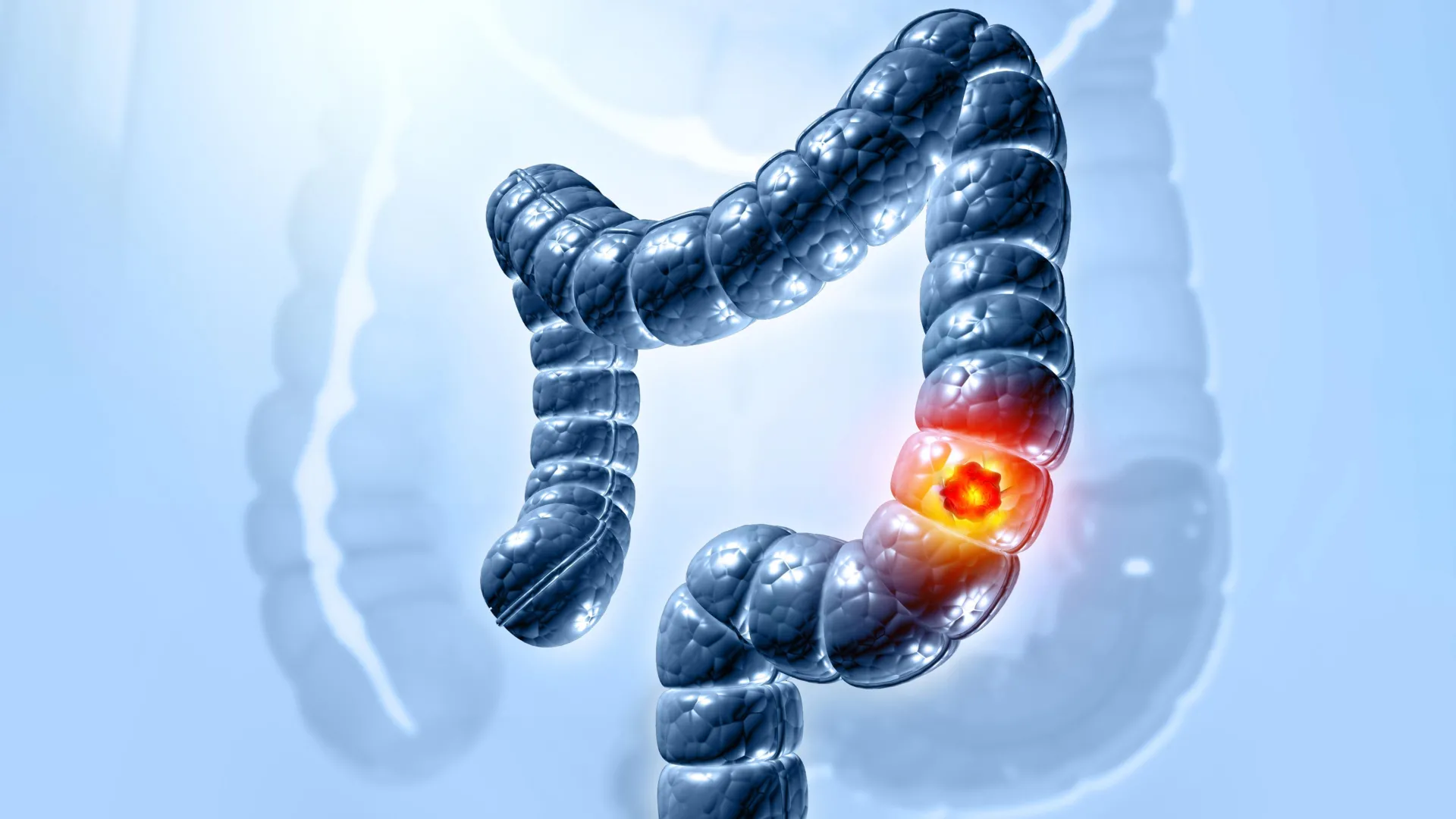
For over 15 years, the scientific community has been haunted by a microscopic mystery: how does the toxin produced by a common gut bacterium bypass the body’s defenses to wreak havoc on the colon? Today, that mystery has finally been unraveled. A multi-institutional research team led by the Johns Hopkins Kimmel Cancer Center has identified the "missing link"—a specific protein receptor that acts as a gateway for the Bacteroides fragilis toxin (BFT) to infiltrate colon cells. This breakthrough, published in the journal Nature, not only explains the mechanics of how this toxin initiates cellular damage but also provides a blueprint for novel therapeutic interventions that could prevent the development of colorectal cancer.
The Main Facts: Identifying the Gateway
The research centers on Bacteroides fragilis, a bacterium naturally present in the gut microbiome of approximately 20% of the human population. While generally harmless, specific strains of this bacterium secrete the BFT toxin, which has long been linked to chronic inflammation, diarrhea, and, most alarmingly, the promotion of colorectal tumor growth.
For years, researchers knew that BFT caused damage by cleaving a protein called E-cadherin, which is essential for maintaining the integrity of the colon’s protective barrier. However, the mechanism remained incomplete. BFT does not bind directly to E-cadherin, implying that an intermediary molecule—a receptor—must exist to facilitate the toxin’s entry and subsequent attack.
The Johns Hopkins team, led by Dr. Cynthia Sears, has now confirmed that this intermediary is claudin-4. By binding to claudin-4, the BFT toxin gains a foothold on the surface of colon cells, allowing it to proceed with its destructive work on E-cadherin. This "lock-and-key" discovery changes the fundamental understanding of how bacterial toxins interact with human host tissue.
A Chronology of Discovery: From Mystery to Breakthrough
The road to this discovery was long and marked by a series of investigative hurdles.
The Longstanding Enigma (2009–2020)
For over a decade and a half, the Sears laboratory at Johns Hopkins worked to understand the pathology of BFT. Early studies confirmed that BFT was a protease toxin—a protein-degrading enzyme—that destroyed the "glue" holding colon cells together. Despite rigorous testing, the receptor remained elusive. Scientists hypothesized that the receptor might be a G-coupled protein receptor, a common target for signaling molecules, but these leads consistently resulted in dead ends.
The CRISPR Screen (2021–2022)
The turning point came when Maxwell White, an M.D./Ph.D. candidate in the Sears lab, partnered with the laboratory of Matthew Waldor at Harvard Medical School. They employed a genomewide CRISPR-Cas9 screening effort. By methodically "knocking out" or disabling individual genes within colon epithelial cells, the researchers sought to identify which ones were essential for BFT-induced damage.
When the team removed the gene responsible for producing claudin-4, the effect was immediate and profound: the BFT toxin could no longer attach to the cells. E-cadherin remained intact, and the cellular barrier was preserved.
Biophysical Verification (2023–2024)
With a prime candidate identified, the team shifted to molecular validation. They collaborated with structural biologists F. Xavier Gomis-Rüth and Ulrich Eckhard at the Molecular Biology Institute of Barcelona. Using high-resolution biophysical techniques, they confirmed that BFT and claudin-4 form a tightly bound, one-to-one complex. This served as the "smoking gun," providing the first direct physical evidence of the toxin-receptor interaction.
Supporting Data: The Power of Molecular Decoys
The validity of the findings was further solidified through experiments in living systems. Working with Min Dong’s laboratory at Harvard Medical School, the researchers tested the hypothesis in mouse models.
To test whether they could interrupt this interaction, the team engineered a "molecular decoy." This decoy consisted of a soluble version of claudin-4 that displayed the specific binding sites the toxin usually targets. When introduced to the system, the BFT toxin bound to these soluble decoys rather than the claudin-4 present on the surface of the colon cells.
The results were unequivocal: the mice treated with the decoy remained protected from the inflammatory damage typically induced by BFT. This confirmed that by "distracting" the toxin before it reaches the cell wall, it is possible to prevent the downstream cascade of cellular injury.
Official Responses and Expert Perspectives
Dr. Cynthia Sears, the Bloomberg~Kimmel Professor of Cancer Immunotherapy and senior author of the study, expressed the gravity of the moment. "We’ve made several attempts over time to identify the receptor, so this is an exciting moment," Dr. Sears stated. She emphasized that this discovery transcends the immediate biology of the gut. "Understanding how bacterial toxins work can open doors to new approaches for detection and therapy for associated diseases, including diarrhea, colorectal cancer and bloodstream infections."
Maxwell White, who spearheaded the laboratory efforts, reflected on the difficulty of the process. "It took a while to get the assay working and validate the approach, but once we were able to do the screen, claudin-4 was a clear, resounding top hit. That was an exciting moment."
The surprise in the scientific community stems from the nature of the receptor. Most known protease toxins bind directly to their targets, but BFT’s reliance on a separate receptor like claudin-4 is highly unusual. This revelation suggests that researchers may need to re-examine other bacterial pathogens through a similar lens, as other toxins may be utilizing similar "hidden" receptors that have been overlooked.
Implications for Future Medicine
The identification of claudin-4 as the receptor for BFT has immediate and long-term implications for the future of clinical medicine and oncology.
1. Therapeutic Development
The success of the molecular decoy in mouse models serves as a proof-of-concept for human therapy. Scientists are now looking to iterate on this design, potentially utilizing small-molecule inhibitors or advanced biologics that could be administered to patients who are colonized with BFT-producing strains of Bacteroides fragilis. By blocking the "docking station," physicians could prevent the chronic inflammation that often serves as a precursor to colorectal cancer.
2. Diagnostic Potential
Understanding the receptor interaction could lead to new diagnostic tools. If clinicians can identify patients harboring both the toxin-producing bacteria and high levels of receptor activity, they could identify those at a higher risk for tumor development, allowing for earlier and more aggressive screening.
3. A New Paradigm for Bacterial Pathogenesis
Perhaps the most significant implication is the shift in how scientists look for toxin receptors. The fact that standard artificial intelligence tools, such as AlphaFold, were unable to fully resolve the interaction suggests that the biological "fit" between the toxin and its receptor is incredibly complex. This highlights the necessity of continued wet-lab experimentation in tandem with computational biology.
Remaining Challenges
Despite the breakthrough, the work is far from finished. The researchers note that while they have identified the receptor and proven the binding, they have yet to capture the precise, high-resolution experimental structure of the toxin-receptor complex. Solving this structure is the next major hurdle, as it would allow for the rational design of drugs that fit into the receptor like a key, permanently blocking the toxin’s access.
As the research team continues to investigate the nuances of this interaction, the medical community remains hopeful. The discovery of the claudin-4 gateway marks a significant step forward in the battle against inflammation-driven cancers, transforming a long-standing mystery into a targetable pathway for the next generation of cancer prevention therapies.