










As the calendar pages turn, our bodies undergo a series of quiet, biological shifts. Among the most significant is the gradual loss of lean muscle mass—a process known as sarcopenia—alongside changes in vision, inner ear sensitivity, and nervous system reaction times. For those over the age of 65, these factors collectively transform simple daily movements into high-stakes maneuvers.
While many fitness routines focus on aesthetics, there is an urgent, growing consensus among physical therapists and corrective exercise specialists: the most vital workout in your weekly regimen is "Leg Day." It is no longer just about building quads or calves; it is about fortifying the foundational systems that keep you upright, mobile, and independent.
The Science of Stability: Moving Beyond "Static" Balance
For decades, the fitness industry treated balance as a static trait—something you practiced by standing on one foot near a mirror. However, Dr. Melanie Wintle, a chiropractor and corrective exercise specialist with over 25 years of clinical experience in rehabilitation and functional strength, argues that we have been looking at it through the wrong lens.
"Balance is typically thought of as static when, in fact, it is more about stability," Dr. Wintle explains. "Stability is your ability to stay upright and catch yourself if something shifts unexpectedly—like walking on uneven pavement, navigating icy conditions, or maneuvering around stairs."
This distinction is critical. When a person slips on a rug or stumbles on a curb, they aren’t relying on their ability to stand still; they are relying on "dynamic stability"—the power to react, adjust, and recover. According to Dr. Wintle, the exercises that truly matter for aging adults are those that build joint stability and power, providing the neurological and muscular "brakes" needed to prevent a fall before it happens.
The Myth of the Lunge: Why Some Exercises Do More Harm Than Good
In the quest for stronger legs, many fitness enthusiasts instinctively turn to lunges. However, Dr. Wintle offers a word of caution for those over 65: avoid them.
"Lunges—especially forward lunges—are very difficult for people who are new to exercise, particularly those with balance or mobility issues," she notes. "They require a deep knee bend, a significant amount of ankle range of motion, and enough raw power to push back out of the position."
For individuals already struggling with stability, the mechanical demand of a lunge can be counterproductive, potentially leading to joint strain or, worse, an accidental loss of control. Instead, the focus should shift to functional movements that mimic the activities of daily living (ADLs) without overtaxing the knee and ankle joints.
The Five-Move Morning Protocol for Lifelong Mobility
To replace high-risk exercises, Dr. Wintle recommends a specific, low-impact morning routine designed to be performed at home. These moves are engineered to build strength, improve proprioception, and enhance the body’s reactive capabilities.
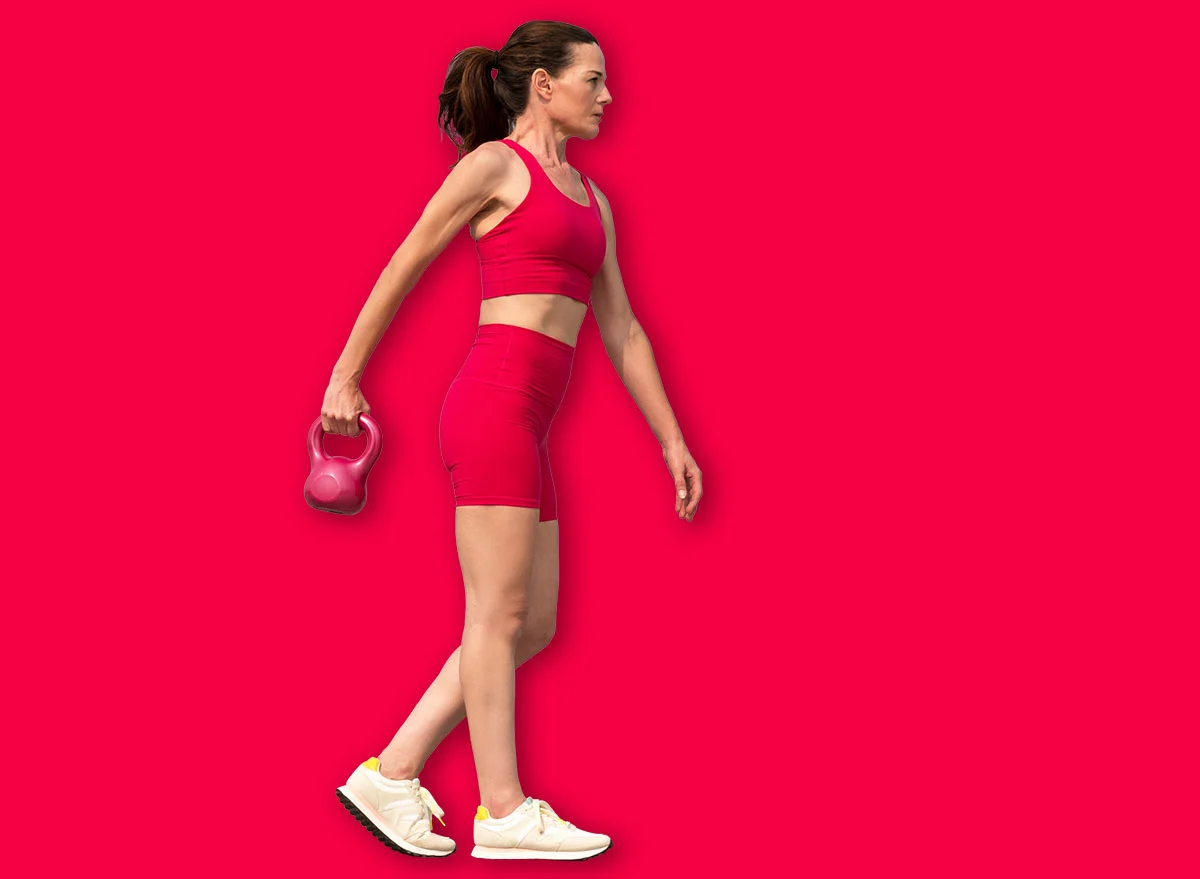
1. The Single-Arm Farmer’s Carry
This exercise is a masterclass in "anti-rotation." By holding a weight in only one hand, you force your core to fight the natural urge to lean or twist.
"This is a functional movement similar to carrying groceries or a suitcase," says Dr. Wintle. "The weight creates an off-center challenge, forcing your trunk to initiate anti-lateral flexion. It builds the dynamic core strength necessary to keep you upright when your weight is distributed unevenly."
2. Marching in Place to Single-Leg Squats
"This move simulates the dynamic functional movement you would see in climbing stairs or stepping onto a bus," Dr. Wintle notes. By transitioning from a rhythmic march to a controlled single-leg stabilization, you train the brain to manage weight transfers. This is the cornerstone of walking safely, as every step we take is essentially a series of controlled, single-leg balancing acts.
3. The Glute Bridge
Often overlooked, the glutes are the powerhouses of the posterior chain. They are not just for aesthetics; they are the primary stabilizers for the pelvic girdle and hips.
"Glute strength is a critical factor in overall stability," Dr. Wintle explains. "These muscles support braking movements—like walking downhill—and they are the primary responders when you need to catch yourself from a misstep." A strong set of glutes acts as a natural shock absorber for the lower body.
4. Standing Calf Raises
The feet and ankles are the body’s first responders. When you trip, your ankles are the first sensors to detect the shift in your center of gravity.
"Strength and stability in the feet and ankles play a huge role in balance because they are in direct contact with the floor," Dr. Wintle points out. To increase the difficulty, she suggests performing these while doing small arm circles or even closing your eyes. This forces the nervous system to rely on internal proprioceptive cues rather than visual input, significantly sharpening your spatial awareness.
5. Standing Leg Raises
Targeting the hip abductors is essential for staying steady when shifting weight from one leg to another. These raises directly strengthen the muscles on the side of the hip, which prevent the pelvis from "dropping" during the gait cycle. A strong hip stabilizer ensures that each stride is confident and centered.
Implications: The High Cost of Inaction
The data on falls in older adults is stark. According to the Centers for Disease Control and Prevention (CDC), falls are the leading cause of injury-related death among adults aged 65 and older. The physical, financial, and psychological costs are profound, often leading to a "fear of falling" that causes individuals to limit their activity, further accelerating the muscle loss that caused the instability in the first place.
This vicious cycle can be broken, but it requires a paradigm shift. We must view leg strength not as a "gym goal," but as a biological necessity. When you train your legs, you aren’t just training muscle; you are training your nervous system to stay alert and reactive.
Official Recommendations and Expert Consensus
Medical professionals, including those within the American College of Sports Medicine (ACSM), consistently advocate for a combination of strength training and balance exercises for aging populations. The ACSM suggests at least two days a week of muscle-strengthening activities that involve all major muscle groups.
However, the specific "corrective" approach proposed by Dr. Wintle bridges the gap between general fitness and rehabilitation. By focusing on the quality of movement—specifically through anti-rotation and proprioceptive drills—older adults can reclaim their confidence.
Conclusion: Starting Your Journey
If you are currently sedentary, start slowly. These five movements do not require a gym membership or heavy equipment; they require only a few minutes each morning and a commitment to consistency.
"Stability is a skill," Dr. Wintle reminds us. "Just like learning to play an instrument or a sport, you have to practice it to maintain it. By dedicating even ten minutes a day to these movements, you are investing in your independence, ensuring that when you walk out your front door, you have the strength and the reactive power to handle whatever the world throws your way."
As we age, our bodies may require more maintenance, but they remain remarkably adaptable. With the right routine, you can stop fearing the loss of balance and start building the strength required to move through your golden years with total confidence.