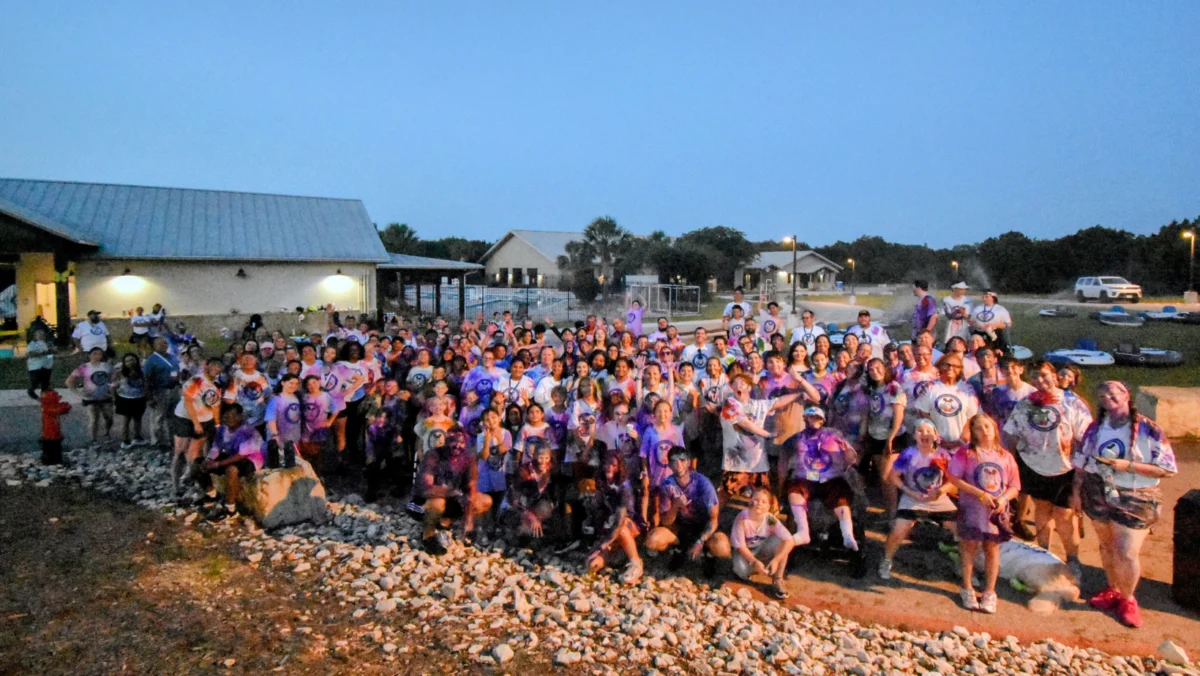
In a world often defined by limitations, medical appointments, and the isolating weight of chronic illness, a singular sanctuary emerged in late June. For five transformative days, the grounds of Morgan’s Camp in San Antonio, Texas, were transformed into a vibrant landscape of empowerment. The fifth-annual Pediatric Pain Warrior Family Summer Camp, a signature initiative of the U.S. Pain Foundation’s Pediatric Pain Warrior Program, welcomed a record-breaking 61 families, creating an environment where pediatric chronic pain was not a barrier to experience, but a shared reality met with solidarity rather than stigma.
This year’s camp hosted more than 250 individuals—including children and teens living with chronic pain, their siblings, parents, grandparents, and guardians. For many, this gathering represented more than a summer getaway; it served as a vital, life-affirming reminder that they are not alone.
Main Facts: A Landmark Gathering for Chronic Pain Warriors
The Pediatric Pain Warrior Family Summer Camp is designed to address the unique psychosocial challenges faced by families managing pediatric pain conditions, which range from migraine and headache diseases to complex regional pain syndrome and various autoimmune disorders.
The choice of venue, Morgan’s Camp—an Ultra-Accessible™ facility—was intentional. By providing an environment where every amenity is engineered for inclusivity, the U.S. Pain Foundation ensured that the campers’ medical equipment, mobility devices, and fatigue levels were treated as standard, not exceptional. The core mission of the event was to foster a space where "no explanation is needed." For a child living with a chronic condition, the freedom to pause, use a wheelchair, or require a quiet moment without the weight of societal judgment is a radical, therapeutic experience.
Chronology: Five Days of Adventure and Connection
The camp’s schedule was a meticulously curated balance of high-energy adventure and essential emotional support, designed to push boundaries while ensuring safety and comfort.
The Days of Discovery
The week began with an introduction to the vast, accessible grounds of the Texas facility. By utilizing adaptive equipment, campers engaged in activities that many had previously considered impossible. The roster of events included:
- Physical Challenges: Campers navigated complex obstacle courses, scaled rock walls, and tested their courage on a challenging ropes course.
- Aerial Adventures: The giant swing and zip line allowed participants to experience the thrill of flight, regardless of physical limitations.
- Adaptive Recreation: Whether it was riding horses, archery, swimming, or water aerobics, the camp emphasized that movement—when supported by the right technology—is a universal joy.
- Social Bonds: From racing miniature cars to the high-stakes, laughter-filled Family Game Night, the social calendar was designed to break down the walls of isolation.
The week culminated in the legendary "Color Wars," an event where families engaged in a spirited, messy, and joyous battle with water and washable paint, serving as a powerful symbolic release of the constraints that often define their lives back home.
Supporting Data: The Pillars of Education and Support
While the adventure activities garnered the most excitement, the structural backbone of the camp remained its rigorous educational and support components. The U.S. Pain Foundation recognizes that healing is a family-wide endeavor.
Peer-Led Support Groups
The camp facilitated dedicated support sessions that were segmented by role. Children and teens were grouped by age to discuss the daily hurdles of living with pain, while siblings—often the "forgotten" members of a chronic illness household—had their own space to voice their unique perspectives. Parents and guardians engaged in facilitated discussions that shifted from the logistics of caregiving to the profound emotional toll of watching a child suffer.
Expert-Led Educational Programming
The educational curriculum provided actionable insights for families navigating the healthcare system:
- Navigating Advocacy: Windy Rodriguez, a parent and patient services specialist, led a critical session on managing insurance denials—a common point of trauma for families managing chronic pediatric pain.
- The Science of Wellness: Dr. Asha Patel Shah, head of Medical Affairs at Kenvue, provided a deep dive into the intersection of skin health and pediatric pain, offering parents scientific context to their children’s systemic symptoms.
- Mental Health Awareness: Meredith de Saint-Albin, a therapist and camp parent, hosted a vulnerable session on the mental health impacts of parenting a child in pain, validating the anxiety and grief that many parents carry silently.
- Therapeutic Arts: Artist and parent Derek McCarty led sessions on the therapeutic potential of creative expression, helping children process their trauma through art, while staff helped campers create their own "Pediatric Pete" penguins—a companion toy meant to represent their resilience.
Official Responses and Perspectives
The success of the camp is perhaps best reflected in the testimonies of those who facilitate it. Casey Cashman, Director of the Pediatric Pain Warrior Program at the U.S. Pain Foundation, emphasizes that the camp’s greatest strength is its ability to eliminate the "apology" factor.
"What makes this camp so unique, and so life-changing, is that you don’t have to explain or apologize for your pain," Cashman stated. "No one looks at you funny when you need to use your wheelchair or sit out for a bit. Everyone is in the same boat—and that gives these families what is often their first opportunity to take a breath and know that they are truly understood and accepted."
The impact of the camp is measured not just in participant numbers, but in the qualitative shift in family dynamics. "I truly believe this camp has saved lives," Cashman added. "It has certainly changed hundreds of lives. We are grateful to the families who take a chance and step out of their comfort zones to join us each year."
The "Flags for Headache" Installation: A Moment of Solidarity
A particularly poignant moment occurred during the camp to coincide with Headache Awareness Month. Recognizing that a significant portion of the campers suffer from migraine and headache disorders, the community participated in a localized version of the "Flags for Headache" installation.
Hundreds of participants, adorned in the color purple, planted individual flags into the ground of the camp. The resulting display was more than just a visual art piece; it was a physical manifestation of the invisible burden borne by millions of American children. Supported by organizations such as the Alliance for Headache Disorders Advocacy, the Danielle Byron Henry Migraine Foundation, and Lundbeck, the installation served as a public declaration of the struggle and the strength of the headache community.
Implications: The Long-Term Impact on Pediatric Pain Advocacy
The growth of the Pediatric Pain Warrior Family Summer Camp over the past five years signals a major shift in how society addresses pediatric chronic illness. By moving beyond traditional medical models and focusing on community, accessibility, and shared experience, the U.S. Pain Foundation is setting a new standard for patient advocacy.
Breaking the Cycle of Isolation
Chronic pain in children is often "invisible," leading to skepticism from peers, teachers, and even healthcare providers. By gathering these families together, the camp provides a "social vaccine" against the isolation that typically fuels anxiety and depression in children with chronic conditions. When a child sees 250 other people navigating similar pain, the shame often associated with being "different" evaporates.
A Model for Future Programs
The success of this five-day immersive experience serves as a blueprint for future health initiatives. The combination of high-level medical education, therapeutic peer support, and inclusive physical activity creates a holistic environment that standard clinical care cannot replicate. As the program continues to grow, it raises the bar for what organizations can and should do to support the families of pediatric pain warriors.
Conclusion: A Legacy of Resilience
As the families packed their bags and returned home, they left behind the echoes of a week that proved that pain does not have to be the end of the story. The 2024 Pediatric Pain Warrior Family Summer Camp did more than just provide a vacation; it built a foundation of resilience.
For the children who traversed the ropes courses and the parents who finally felt seen during support groups, the camp provided the tools—and the community—to face the challenges that lie ahead. In the words of the organizers, the families who arrived feeling isolated and misunderstood left as part of a nationwide family, armed with the knowledge that their pain is a shared journey, and that they possess the strength to navigate it together.