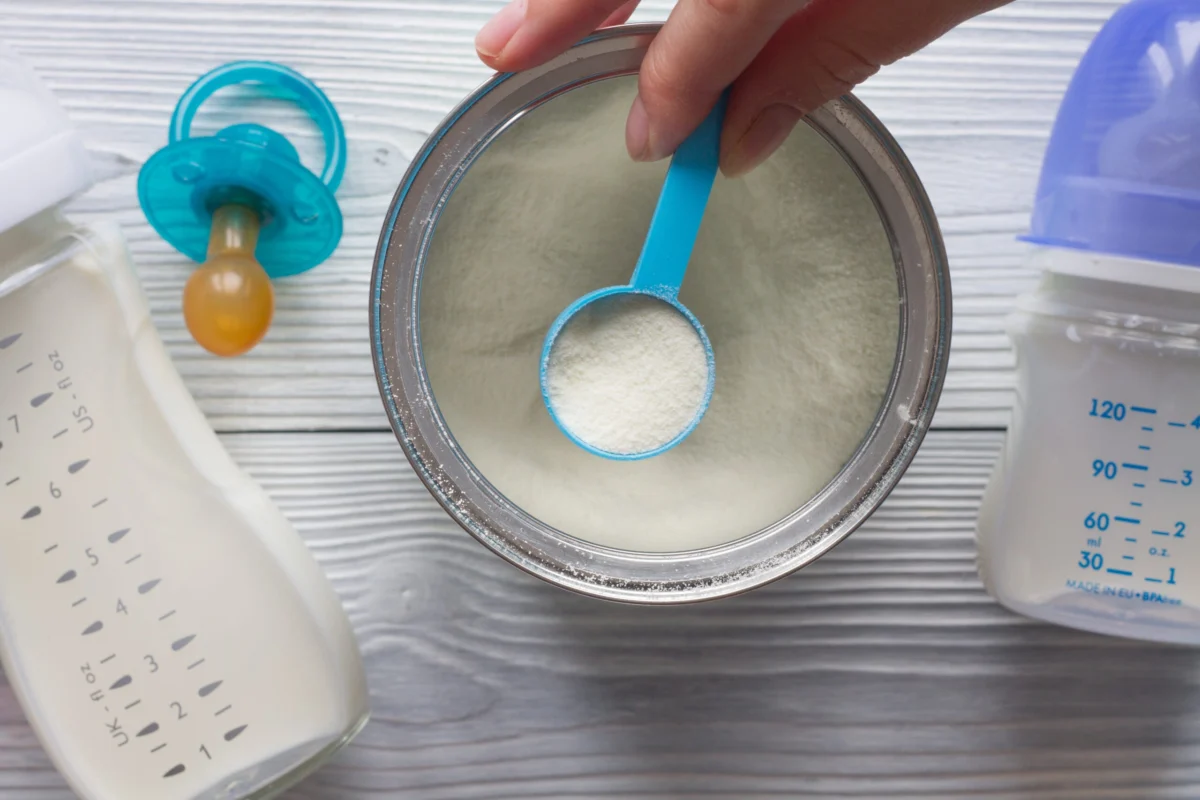
The sight of empty shelves in the baby aisle of local supermarkets has become a haunting image of the post-pandemic era. For millions of American families, the infant formula shortage that surged between 2022 and 2023 was not merely a logistical inconvenience; it was a profound public health crisis. As parents faced the agonizing reality of being unable to feed their children, the fragility of the nation’s specialized nutrition supply chain was laid bare.
Infant formula is not a luxury item; it is a critical medical necessity. For infants who cannot be breastfed—due to biological, social, or medical constraints—formula is the sole source of sustenance. When supply chains collapse, the impact on infant health and parental mental well-being is immediate and devastating.
Main Facts: The Anatomy of a Supply Chain Collapse
The infant formula shortage was precipitated by a "perfect storm" of global and domestic factors. At the center of the crisis was a massive voluntary recall initiated in February 2022 by Abbott Nutrition, the largest producer of powdered formula in the United States. Following reports of bacterial infections—specifically Cronobacter sakazakii—linked to their Sturgis, Michigan, facility, the company shuttered the plant.
While the recall was a necessary safety measure to prevent severe illness, the centralization of the U.S. formula market meant that the closure of a single production site triggered a nationwide panic. The market for infant formula in the U.S. is highly consolidated, with just a handful of manufacturers controlling over 90% of the supply. When one major link in that chain broke, the entire system suffered a cascading failure.
Compounding the issue were lingering pandemic-related stressors: labor shortages, transportation bottlenecks, and a global scarcity of specialized ingredients. These factors created a "bottleneck" effect, where demand remained high while production and distribution capacities were paralyzed.
A Chronology of the Crisis
The trajectory of the shortage can be categorized into four distinct phases:
- The Pre-Crisis Fragility (2020–2021): During the onset of the COVID-19 pandemic, consumer stockpiling and supply chain disruptions led to intermittent shortages. While these were managed, they highlighted the lack of redundancy in the national supply chain.
- The Catalyst (February 2022): The U.S. Food and Drug Administration (FDA) issued an advisory warning parents not to use certain powdered formulas from Abbott Nutrition. The immediate closure of the Sturgis facility removed a significant portion of the domestic market supply.
- The Peak of the Shortage (May–July 2022): As out-of-stock rates climbed toward 70% in some regions, the crisis hit a boiling point. The federal government was forced to invoke the Defense Production Act to prioritize ingredients for formula manufacturers and began the "Operation Fly Formula" initiative to import international supplies via military aircraft.
- The Stabilization and Reckoning (Late 2022–Present): Production gradually returned to baseline, but the public discourse shifted from immediate crisis management to long-term policy reform. Questions remain about how to prevent a recurrence of such extreme supply instability.
Supporting Data: The Vulnerability of a Consolidated Market
The economic structure of the U.S. formula industry is a primary point of concern for nutritionists and policy analysts. The Special Supplemental Nutrition Program for Women, Infants, and Children (WIC) accounts for roughly 50% of all infant formula sales in the U.S. To control costs, states enter into sole-source contracts with specific manufacturers. While this system successfully lowers the cost of formula for low-income families, it incentivizes market consolidation.
Data suggests that because the market is dominated by three or four major firms, there is very little "surge capacity." When a crisis hits, there are no smaller competitors waiting in the wings to ramp up production to fill the void. Furthermore, the reliance on specialized ingredients—many of which are sourced from overseas—means that international trade disputes or global health crises have an outsized impact on the domestic nursery.
Official Responses and Federal Intervention
The federal government’s response to the shortage was multi-faceted, involving the White House, the FDA, and the U.S. Department of Agriculture (USDA).
- Operation Fly Formula: This unprecedented logistics operation saw the federal government partner with the Department of Defense to airlift millions of cans of formula from Europe and other regions to the U.S.
- Regulatory Flexibility: The FDA temporarily eased enforcement discretion on importing foreign-made formula that met international safety standards but lacked specific U.S. labeling, significantly expanding the available pool of safe product.
- WIC Waivers: The USDA provided states with the flexibility to waive certain product requirements, allowing WIC participants to purchase different brands or sizes of formula, ensuring that the most vulnerable populations were not disproportionately impacted.
However, critics argue that these measures, while effective in the short term, were reactive. The lack of proactive, robust oversight of manufacturing facilities and the reliance on a single-supplier model for government programs remain points of contention.
The Human Impact: Beyond the Shortage
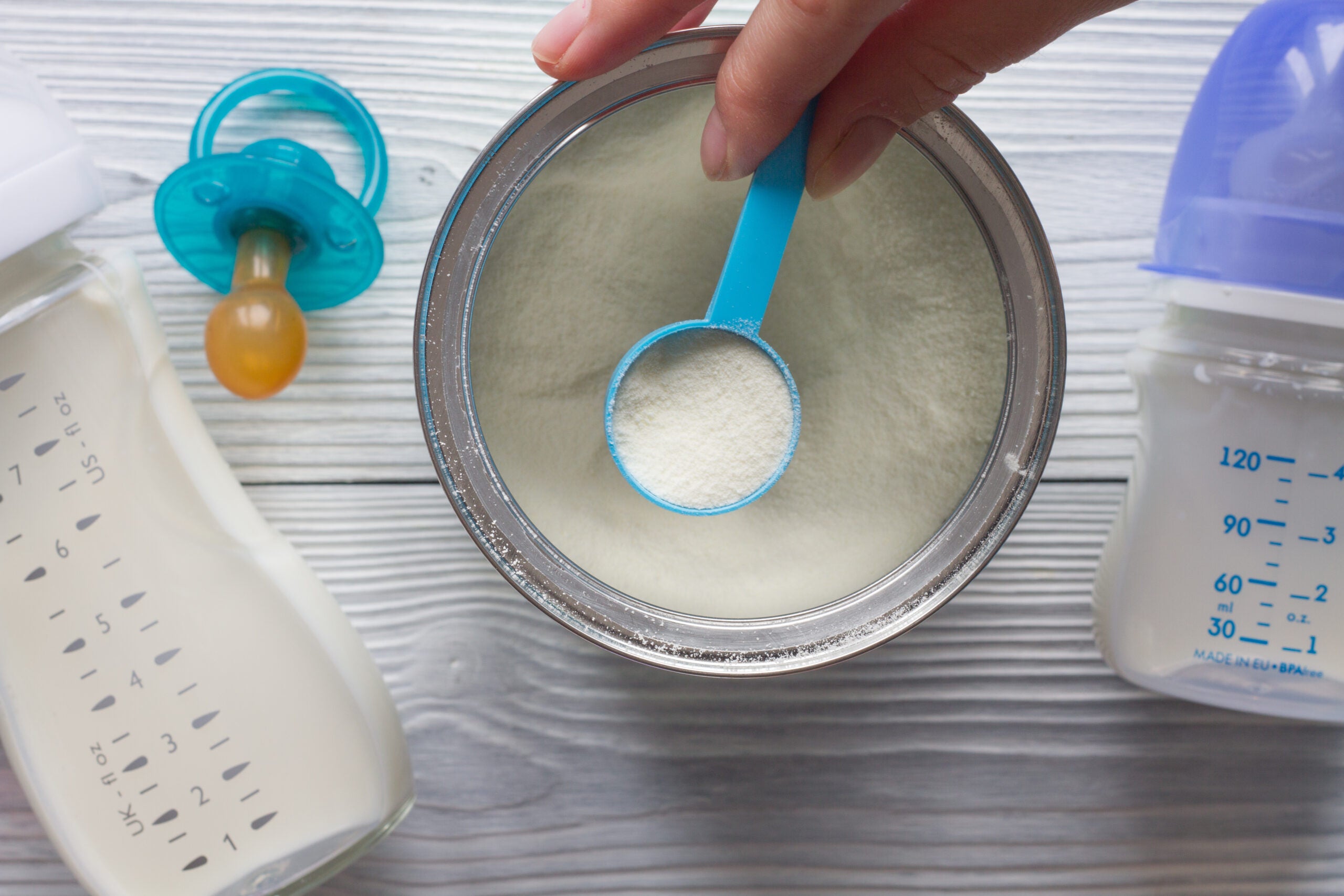
It is crucial to acknowledge why formula is indispensable. Breastfeeding is the gold standard for infant nutrition, but it is not a universally achievable reality. Mothers returning to the workforce shortly after birth, those lacking access to lactation consultants, and those dealing with health complications are reliant on formula.
Moreover, for infants with specific metabolic disorders, such as Phenylketonuria (PKU) or severe cow’s milk protein allergies, there are no alternatives to specialized medical formula. For these families, the shortage was not an inconvenience; it was a life-threatening medical emergency. The stress of the shortage exacerbated existing inequalities, as families with more resources could travel further to find supplies, while those without transportation or time faced the brunt of the empty shelves.
Future Directions: Building a Resilient System
The American Journal of Clinical Nutrition and other public health bodies have outlined a roadmap for preventing future catastrophes. To build a more resilient system, the following policy shifts are essential:
1. Diversification of the Supply Chain
The U.S. must move away from the high-concentration market model. This includes providing tax incentives or grants for smaller, domestic manufacturers to enter the space, thereby ensuring that the closure of one plant does not paralyze the entire nation.
2. Strengthening Regulatory Oversight
The FDA’s oversight of infant formula manufacturing must be proactive rather than reactive. This involves more frequent, high-quality inspections and a more transparent communication pipeline between manufacturers and regulators to identify potential contamination issues before they result in mass product withdrawals.
3. Re-evaluating WIC Contracts
While the sole-source contract system is fiscally efficient, it may need to be redesigned to allow for multi-vendor competition within states. This would encourage a more diverse market share and ensure that multiple manufacturers maintain production lines that can be scaled up during emergencies.
4. Investing in Human Milk Infrastructure
The shortage highlighted the necessity of strengthening human milk banking. Donor-derived human milk can act as a critical bridge for vulnerable infants when formula is unavailable. Expanding the capacity of milk banks and ensuring they are accessible to low-income families could serve as a vital safety net.
5. National Emergency Stockpiling
Just as the U.S. maintains a Strategic National Stockpile for medical supplies, there is a strong argument for maintaining a strategic reserve of infant formula—particularly specialized formulas for infants with medical needs. This would ensure that, in the event of another manufacturing disruption, there is a cushion of supply available for the most at-risk infants.
Conclusion: A Moral Imperative
The infant formula crisis of the early 2020s was a wake-up call. It demonstrated that the basic biological needs of the most vulnerable members of our society—infants—are tethered to complex, fragile, and often opaque supply chains.
Policy reform is not just a matter of economics; it is a moral imperative. By fostering a more competitive market, tightening safety regulations, and building systemic redundancies, the United States can ensure that never again will a parent be forced to wonder if they will be able to feed their child tomorrow. The path forward requires a unified approach from government, industry, and healthcare providers to ensure that infant nutrition is treated with the urgency and priority it deserves.