











Los Angeles, CA – For many children living with spasticity, a debilitating condition often associated with cerebral palsy, the dream of lifelong independent walking can hinge on a single, precisely timed intervention: Selective Dorsal Rhizotomy (SDR). This neurosurgical procedure holds the potential to dramatically improve mobility and preserve a child’s ability to walk well into adulthood. Yet, a concerning reality persists: many eligible patients are referred too late, missing the crucial window of opportunity to benefit most from this transformative treatment.
The Children’s Hospital Los Angeles (CHLA) stands at the forefront of addressing this challenge, championing a comprehensive, multidisciplinary approach that underscores the paramount importance of early evaluation and judicious patient selection. Specialists across neurology, neurosurgery, orthopedics, and rehabilitation unite to offer a full spectrum of care, ensuring that every child receives the most appropriate and timely intervention, whether surgical or non-surgical.
The Silent Struggle: Understanding Spasticity and its Impact
Spasticity, characterized by involuntary muscle stiffness and tightness, is a common neurological disorder affecting millions worldwide, predominantly children with cerebral palsy. It results from damage to the brain or spinal cord, disrupting the normal communication pathways between the central nervous system and the muscles. This leads to an imbalance of signals, causing muscles to contract excessively and uncontrollably, making movement difficult, painful, and often leading to contractures, bone deformities, and impaired gait.
The effects of spasticity are far-reaching, impacting a child’s ability to perform daily activities, participate in school, and engage in social interactions. Over time, persistent spasticity can lead to fixed deformities in joints, chronic pain, skin breakdown, and a progressive decline in functional mobility, often necessitating assistive devices or even wheelchair reliance. The energy expenditure required for movement in children with spasticity is significantly higher than in their typically developing peers, leading to fatigue and limiting their endurance.
Selective Dorsal Rhizotomy: A Pathway to Smoother Movement
Selective Dorsal Rhizotomy (SDR) is a highly specialized neurosurgical procedure designed to permanently reduce spasticity by interrupting the abnormal sensory nerve signals that contribute to excessive muscle tone. During the procedure, a pediatric neurosurgeon carefully identifies and selectively severs a small percentage of sensory nerve rootlets in the spinal cord that are responsible for transmitting these aberrant signals. By precisely targeting and eliminating these overactive pathways, SDR effectively "resets" the muscle tone, allowing for smoother, more controlled movement.
The procedure is typically performed on the lower spinal cord (lumbar region) to address spasticity primarily affecting the lower extremities. The goal is not to paralyze muscles but to modulate their activity, enabling better muscle function and reducing the resistance that spasticity imposes on movement. The selectivity of the procedure is crucial; experienced surgeons use intraoperative electrophysiological monitoring to identify and sever only the problematic nerve fibers, preserving those essential for normal sensation and motor control.
The Irreversible March of Time: Why Early Intervention is Paramount
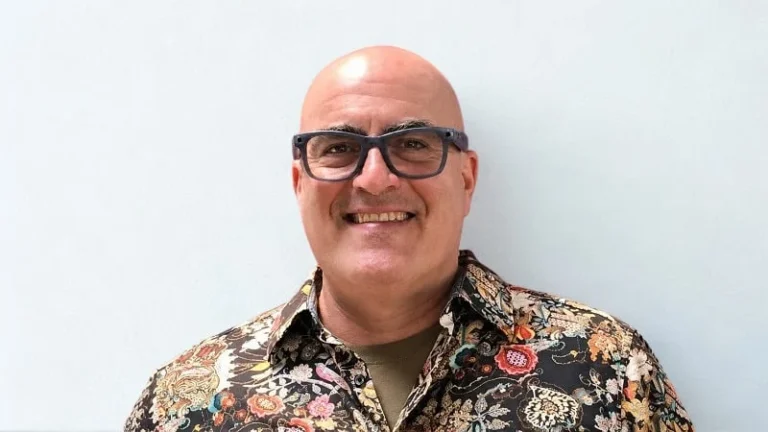
"Selective dorsal rhizotomy is most effective when a child is still able to walk," emphasizes Virendra R. Desai, MD, a pediatric neurosurgeon and Surgical Director of the Comprehensive Epilepsy Center at Children’s Hospital Los Angeles. "Unfortunately, surgery often isn’t considered until that ability has clearly declined. By then, the window of opportunity may have closed."
This statement encapsulates the core challenge in spasticity management. While SDR cannot "restore" lost walking ability, it excels at "preserving" existing mobility. The timing of intervention is critical because as children with spasticity grow, their inefficient gait patterns become harder to sustain. What might be manageable for a young child with developing strength can become an insurmountable hurdle as they age, leading to a loss of ambulation capacity. Early intervention with SDR can fundamentally alter this trajectory, extending a child’s walking ability well into adulthood.
The progression of untreated spasticity is relentless. Over time, sustained muscle tightness can lead to:
- Fixed Contractures: Muscles and tendons shorten, permanently restricting joint movement.
- Skeletal Deformities: Abnormal forces on growing bones can cause hip displacement, scoliosis, and foot deformities.
- Compensatory Patterns: Children develop inefficient and often painful ways of moving to overcome stiffness, leading to secondary problems in other joints and muscles.
- Increased Pain and Fatigue: The constant effort to move against spasticity causes chronic discomfort and exhaustion.
- Loss of Functional Independence: The need for walking aids increases, and the ability to perform activities of daily living diminishes.
By intervening before significant walking decline occurs, SDR aims to interrupt this cycle, providing a foundation for improved motor control and preventing secondary complications. For an ideal candidate, the procedure can mean the difference between struggling to walk for short periods and maintaining functional ambulation for a lifetime. Dr. Desai’s powerful anecdote illustrates this: "Before SDR, a child might be able to walk about 10 minutes before needing a break. After SDR and therapy, that same child may be able to walk for hours before getting tired." This transformation speaks volumes about the enhanced quality of life, independence, and participation SDR can offer.
Evidence-Based Efficacy: Decades of Data Supporting SDR
The effectiveness of SDR is not merely anecdotal; it is robustly supported by decades of rigorous scientific research. Multiple randomized controlled clinical trials have consistently demonstrated that individuals undergoing SDR experience significantly improved walking ability compared to those receiving non-surgical interventions alone. These studies have meticulously tracked outcomes, showing measurable improvements in gait velocity, stride length, energy efficiency, and overall functional independence.
Furthermore, the long-term benefits of SDR are equally compelling. Follow-up studies, some extending as far as 30 years post-procedure, have revealed that the positive effects of SDR are remarkably durable. Patients who received SDR early in life were found to maintain their improved walking ability, often functioning as if they had never experienced the initial challenges of severe spasticity. This long-term evidence solidifies SDR’s position as a highly effective and lasting treatment option for carefully selected children. The sustained gains underscore the profound impact of timely intervention, allowing children to build on a foundation of reduced spasticity throughout their developmental years.
Precision in Diagnosis: Distinguishing Spasticity from Dystonia
Because SDR is an irreversible procedure, accurate patient selection is paramount. A critical step in the evaluation process is meticulously distinguishing spasticity from other movement disorders, particularly dystonia, which can present with superficially similar symptoms of muscle tightness and involuntary movements.
"Both conditions cause muscle tightness, but the underlying physiology is different," explains Dr. Desai. "SDR can be very effective for spasticity, but it can worsen dystonia." This crucial distinction highlights the absolute necessity of a precise diagnosis. Dystonia involves sustained or intermittent muscle contractions causing abnormal, often repetitive, movements or postures. While it can coexist with spasticity, its neurological origins and treatment pathways are distinct. Administering SDR to a child whose primary issue is dystonia could lead to adverse outcomes, potentially exacerbating their condition.
At CHLA, this diagnostic challenge is addressed through a detailed and comprehensive clinical assessment, led by experts like Quyen Luc, MD, who heads the Movement Disorders Clinic in CHLA’s Neurological Institute. "We don’t rely on a single test," Dr. Luc states. "We carefully examine how a child moves, how muscles respond to speed and position, and how those patterns change. It’s a comprehensive evaluation." This multi-faceted assessment involves:
- Thorough Neurological Examination: Assessing muscle tone, reflexes, strength, coordination, and sensory function.
- Detailed Medical History: Reviewing developmental milestones, birth history, and any prior interventions.
- Observation of Movement: Analyzing gait, posture, and the presence of involuntary movements in various contexts.
- Response to Maneuvers: Observing how muscle tone changes with passive stretching, rapid movements, or sustained postures.
- Imaging Studies: MRI of the brain and spine to assess underlying neurological damage.
The meticulousness of this diagnostic process ensures that only true candidates for SDR, those whose spasticity is the primary driver of their mobility limitations, are considered for the procedure.
The Unseen Insights: The Power of Objective Gait Analysis
Central to the comprehensive evaluation at CHLA is objective gait analysis, a sophisticated tool that provides invaluable insights into a child’s movement patterns. CHLA’s John C. Wilson Jr. Motion and Sports Analysis Lab is one of only about two dozen fully accredited pediatric gait labs in the country, signifying its specialized expertise and adherence to stringent standards.
"The gait lab allows us to measure patterns we can’t see on a physical exam," says Robert M. Kay, MD, Director of the Jackie and Gene Autry Orthopedic Center at CHLA and Associates Chair in Orthopedics. This advanced facility utilizes state-of-the-art technology to capture detailed data on:
- Kinematics: The motion of joints (angles, ranges of motion) during walking. High-speed cameras and reflective markers track movement in three dimensions.
- Kinetics: The forces acting across the joints (ground reaction forces, joint moments). Force plates embedded in the floor measure these forces.
- Electromyography (EMG): The electrical activity of muscles during movement, indicating which muscles are overactive or underactive.
This objective data is crucial for several reasons. Firstly, it provides an unbiased, quantifiable measure of a child’s gait deviations, helping to differentiate spasticity from other movement patterns that might appear similar clinically. It can pinpoint specific muscles or joints contributing most to the impaired gait, informing surgical planning. Secondly, it helps assess whether a child is likely to benefit from SDR by identifying the extent to which spasticity is limiting their functional mobility. For instance, if a child’s gait is primarily limited by fixed bony deformities rather than dynamic spasticity, SDR might be less effective.
Beyond pre-operative assessment, gait analysis also plays a vital role in guiding long-term care. "Postoperative gait studies establish a new functional baseline," Dr. Kay notes, "allowing clinicians to track whether gains are maintained over time." This ensures that the benefits of SDR are not only achieved but also sustained through ongoing rehabilitation and monitoring, allowing for adjustments to therapy plans as needed.
A Spectrum of Care: Beyond Surgery
While SDR can be transformative, it is crucial to recognize that it is not indicated for every child with spasticity. For many, a carefully orchestrated program of non-surgical medical management, combined with intensive therapy, offers the best pathway to improved function and reduced pain.
"If spasticity isn’t treated appropriately, it can permanently affect muscles and joints," cautions Kevan Craig, DO, Chief of Rehabilitation Medicine at CHLA. "Medical management, combined with physical therapy, is critical for reducing pain and supporting joint health and function."
The comprehensive range of non-surgical interventions includes:
- Physical Therapy (PT): Focused on stretching, strengthening, balance, and gait training to improve motor control and prevent contractures.
- Occupational Therapy (OT): Helps children develop skills for daily living, fine motor control, and adaptive strategies.
- Bracing and Orthotics: Custom-made ankle-foot orthoses (AFOs) or other braces can support joints, improve alignment, and prevent deformities.
- Oral Medications: Muscle relaxants like baclofen or tizanidine can reduce generalized spasticity.
- Botulinum Toxin Injections: Precisely administered injections can temporarily weaken specific spastic muscles, providing a window for therapy and stretching.
- Intrathecal Baclofen (ITB) Pump: For severe, generalized spasticity, a surgically implanted pump delivers baclofen directly to the spinal fluid, offering more targeted and potent relief than oral medications. While also a surgical intervention, ITB addresses different forms of spasticity than SDR and is considered a distinct treatment modality.
Crucially, physical therapy is not just an alternative to SDR; it is an indispensable component of care for all children with spasticity, including those who undergo surgery. "Surgery sets the stage, but long-term gains in mobility depend on intensive rehabilitation," Dr. Desai explains. Post-SDR, children require dedicated physical therapy to relearn movement patterns, strengthen muscles, and capitalize on their newly reduced spasticity. This intensive rehabilitation can last for months, sometimes years, forming the bridge between surgical potential and functional reality.
The Multidisciplinary Imperative: A Holistic Approach to Spasticity
The complexity of spasticity and its multifaceted impact on a child’s development necessitates a truly integrated, multidisciplinary approach. At CHLA, this means seamless collaboration among a team of highly specialized experts:
- Pediatric Neurologists: Diagnose spasticity, manage medications, and distinguish it from other movement disorders.
- Pediatric Neurosurgeons: Evaluate for and perform SDR, as well as manage other neurosurgical interventions.
- Orthopedic Surgeons: Address skeletal deformities, joint contractures, and other musculoskeletal issues.
- Rehabilitation Medicine Specialists (Physiatrists): Oversee physical and occupational therapy, prescribe orthotics, and manage medical aspects of rehabilitation.
- Physical and Occupational Therapists: Provide hands-on intervention, exercises, and strategies for functional improvement.
- Gait Analysis Specialists: Provide objective data for diagnosis, treatment planning, and outcome monitoring.
This collaborative model ensures that every aspect of a child’s condition is considered, leading to a holistic and individualized treatment plan. Team meetings and case conferences allow specialists to share insights, debate options, and arrive at a consensus that optimizes outcomes for the child. This synergy prevents fragmented care and ensures that the child receives the most appropriate intervention at the most opportune moment. A high-volume center like CHLA, with its extensive experience and integrated team, can offer this full spectrum of care, tailoring treatment to what each child needs.
Addressing the Referral Gap: A Call to Action
Despite the clear benefits and robust evidence supporting timely SDR, a significant challenge remains: the problem of late referrals. Many children who could profoundly benefit from early evaluation are simply not identified or referred to specialized centers in time. This gap can stem from several factors:
- Lack of Awareness: General practitioners or even some pediatric specialists may not be fully aware of the criteria for SDR or the critical window for intervention.
- Hesitation to Consider Surgery: Understandably, parents and healthcare providers may be hesitant to consider surgery, especially for a child who is still ambulatory, leading to a "wait and see" approach.
- Diagnostic Ambiguity: The nuances of distinguishing spasticity from other conditions can lead to delayed or incorrect diagnoses.
- Geographic Barriers: Access to highly specialized centers with multidisciplinary teams and gait labs can be limited in certain regions.
The consequence of these delays is profound: missed opportunities for children to achieve their full mobility potential, leading to potentially avoidable long-term disabilities and a diminished quality of life. There is a clear call to action for broader awareness campaigns within the medical community and among parents of children with spasticity. Early screening programs and clear referral pathways are essential to ensure that children are evaluated at specialized centers as soon as spasticity is identified.
Looking Ahead: Optimizing Outcomes for a Brighter Future
The landscape of spasticity management is continuously evolving, with ongoing research exploring new diagnostic tools, therapeutic interventions, and rehabilitation strategies. However, the fundamental principles highlighted by CHLA’s experts remain timeless: precision in diagnosis, timeliness of intervention, and a comprehensive, multidisciplinary approach.
For children with spasticity, the ability to walk independently is not just about physical movement; it profoundly impacts their self-esteem, social integration, and overall independence. SDR, when performed on the right patient at the right time, offers a unique opportunity to secure this fundamental aspect of human experience for a lifetime.
"We tailor treatment to what each child needs," Dr. Desai concludes. "That includes recognizing who will benefit from surgery—and making sure that opportunity isn’t missed." This commitment to individualized care and the prevention of missed opportunities underscores the vital mission of specialized centers like CHLA in transforming the lives of children with spasticity, enabling them to walk further, live fuller, and embrace a future with greater mobility and independence.
To refer a patient to CHLA’s Spasticity team, please visit [CHLA Referral Link, if available and desired to be kept].