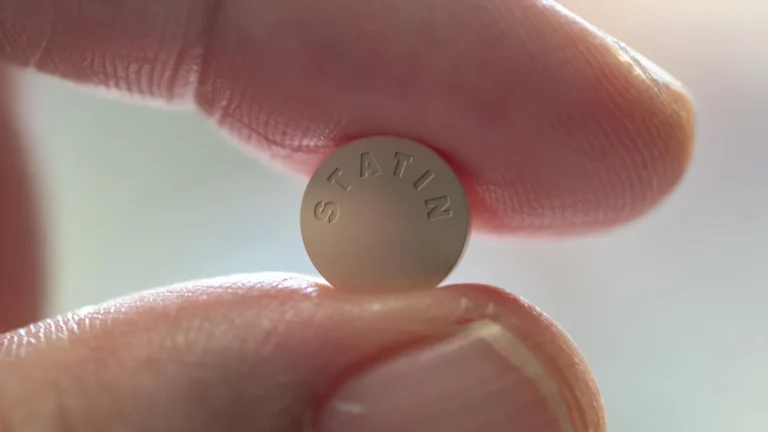






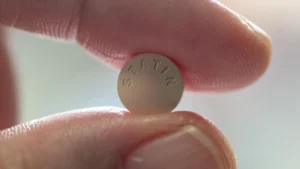

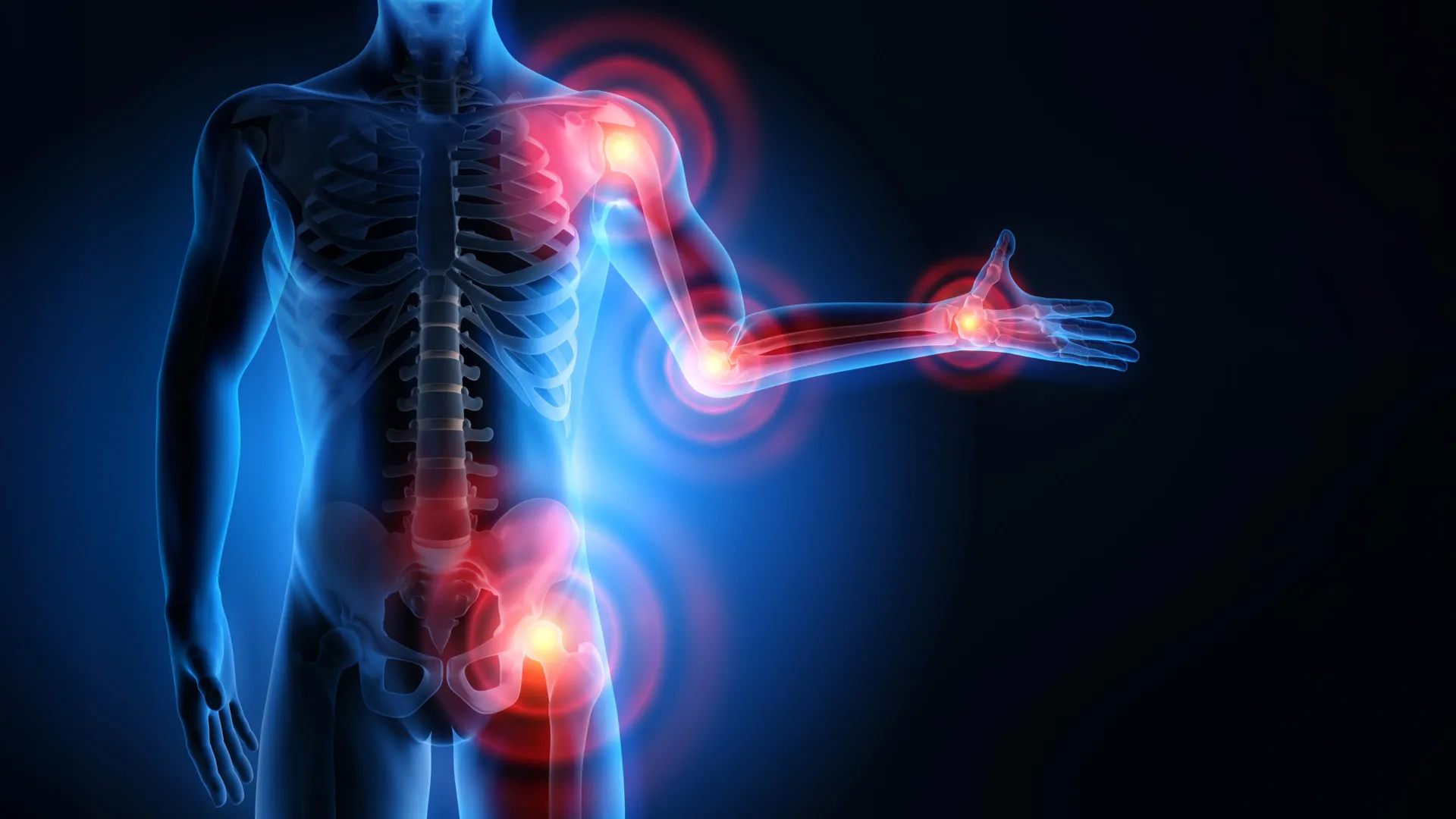
For millions of individuals worldwide, the daily ritual of taking a statin is a cornerstone of preventative medicine. As one of the most widely prescribed classes of medication, statins have revolutionized cardiovascular health, effectively lowering low-density lipoprotein (LDL) cholesterol and significantly slashing the risk of heart attacks and strokes. Yet, for a significant subset of the population, these life-saving pills come with a debilitating catch: muscle pain, weakness, and exercise intolerance.
Now, a breakthrough study led by researchers at McMaster University has identified a biological pathway that may explain exactly why these side effects occur. By pinpointing an unexpected interaction between the immune system and muscle cell metabolism, the research—published in the journal Science Advances—offers a glimmer of hope that patients may one day enjoy the cardiovascular benefits of statins without the muscular burden that currently causes many to abandon treatment.
The Statin Paradox: Balancing Benefits and Burdens
The Clinical Reality
Statins work by inhibiting an enzyme in the liver that plays a central role in the production of cholesterol. While this mechanism is highly effective at preventing cardiovascular disease, the systemic nature of the drug means it affects tissues beyond the liver, particularly skeletal muscle. Clinical data indicates that between seven and 29 percent of statin users report muscle-related symptoms. For many, this translates to "statin intolerance"—a condition that leads patients to reduce their prescribed dosage or cease treatment entirely, inadvertently increasing their risk of future cardiac events.
The Historical Knowledge Gap
For years, the medical community has recognized the association between statin use and myopathy (muscle disease), yet the underlying biological mechanism remained elusive. Earlier theories often centered on the depletion of Coenzyme Q10 or direct mitochondrial interference, but these explanations failed to account for the full spectrum of patient experiences. The McMaster team’s research challenges these conventional wisdoms, suggesting that the problem is not merely a "fueling" issue within the cell, but an active, inflammatory immune response.
Chronology of Discovery: From Lab Bench to Breakthrough
The road to this discovery was paved through a rigorous, multi-year investigation spearheaded by first authors Nazli Robin and Nicole Barra of the Schertzer Lab at McMaster University.
Initial Observations
The research team began by observing the metabolic behavior of muscle cells when exposed to statins. They noted that the drugs were not just lowering cholesterol; they were causing a metabolic shift that altered how muscle cells generated energy. This disruption created a cellular "distress signal."
Identifying the Trigger
The team discovered that this metabolic disruption was triggering an immune response within the muscle cells themselves. This was an unexpected finding—a "cross-talk" between metabolism and immunity that had not previously been associated with statin side effects.
Validating with Models
To confirm this, the researchers moved from in vitro muscle cell cultures to mouse models. By isolating the specific immune pathway activated by the statins, they were able to block the response. The results were striking: the muscle damage typically induced by the medication was significantly mitigated. By preventing the immune system from overreacting to the metabolic changes, the muscle cells remained healthy, even while the statin continued its work of regulating cholesterol.
Supporting Data and Technical Mechanisms
The Immune-Metabolic Interface
At the heart of the findings is the realization that statins induce a specific form of cellular stress. When muscle cells struggle to process energy normally due to statin interference, they release signals that recruit and activate immune mechanisms. This is not an external infection, but an "auto-inflammatory" response where the muscle cell effectively turns against itself.
Separating the Mechanisms
Perhaps the most pivotal takeaway from the study is the distinction between the medication’s therapeutic target and its side-effect target.
- The Cardiovascular Target: The inhibition of HMG-CoA reductase (the enzyme responsible for cholesterol production) occurs primarily in the liver.
- The Side-Effect Target: The immune-mediated muscle damage appears to be an independent pathway triggered by metabolic strain.
Because these two pathways are distinct, the researchers hypothesize that it is theoretically possible to develop a "co-therapy"—a secondary medication or targeted treatment that inhibits the immune inflammatory response in the muscles without blunting the cholesterol-lowering efficacy of the statin.
Official Responses and Expert Perspectives
The Senior Author’s Vision
Jonathan Schertzer, a professor in McMaster’s Department of Biochemistry and Biomedical Sciences and the senior author of the study, views these findings as a turning point in preventative cardiology.
"Statins are among the most effective medications we have for reducing cardiovascular disease risk and preventing early death," Schertzer stated. "Unfortunately, muscle side-effects lead some people to reduce their dose or stop taking the medication altogether. We wanted to understand why this happens and whether it might be possible to separate the side-effects from the benefits."
Schertzer emphasized that the discovery of the immune-metabolic pathway changes the therapeutic landscape. "One of the most exciting findings of the research is that the mechanism causing muscle side-effects appears to be separate from the mechanism that lowers cholesterol. That suggests it may one day be possible to target the side-effects without interfering with the cardiovascular benefits that make statins so valuable."
Global Collaboration
The project’s depth is credited to its massive international scope. The McMaster team collaborated with:
- Centre International de Recherche en Infectiologie (CIRI) in Lyon, France.
- The Centre for Muscle Research at the University of Melbourne, Australia.
- The Murdoch Children’s Research Institute and The Royal Children’s Hospital in Australia.
- York University, Canada.
- McMaster’s Department of Pathology and Molecular Medicine.
This collaborative effort, funded by the Natural Sciences and Engineering Research Council of Canada (NSERC), allowed the team to cross-reference their metabolic findings with experts in immunology and muscle pathology, ensuring the study’s findings were robust and cross-validated.
Implications: What This Means for Future Care
Towards Personalized Medicine
While the findings provide a clear path forward, the researchers remain cautious. Developing a clinical treatment based on this pathway will require years of further study, including human clinical trials. However, the discovery provides several concrete targets for pharmaceutical development. Researchers can now look for compounds that specifically dampen the inflammatory pathway identified in the muscle cells.
Redefining Statin Intolerance
For the patient, this research represents a shift from "learning to live with" side effects to potentially "treating" them. If a patient can maintain their high-dose statin regimen without the accompanying muscle pain, the long-term prognosis for cardiovascular health improves dramatically. It could also open the door to prescribing statins to patients who were previously deemed "intolerant" and therefore ineligible for the drug.
Future Research Directions
The team plans to explore whether genetic factors make certain individuals more susceptible to this immune-metabolic response. By understanding the variability in how different patients’ immune systems react to statins, physicians may one day be able to predict which patients are at risk for muscle pain before they even start their first dose.
In conclusion, the work conducted at McMaster University serves as a vital reminder that the most common medical interventions still hold mysteries. By bridging the gap between immunology and metabolism, the researchers have not only explained a common source of patient suffering but have also provided a blueprint for the next generation of cardiovascular care. As the medical community digests these results, the promise of a more tolerable, effective, and patient-centered approach to heart health continues to sharpen.