







By News Desk
Published: August 11, 2026
WASHINGTON, D.C. — A landmark qualitative study conducted over the past year has brought to light the profound and often invisible barriers facing neurodivergent people of color (POC) within the mental healthcare system. The research, spearheaded by advocate and researcher Yashvi Bharariya, suggests that the traditional "symptom-first" approach to therapy is failing a significant portion of the population by ignoring the intersection of cultural identity and neurological processing.
The findings, which are currently under review for publication, underscore a critical disconnect between clinical diagnosis and the lived realities of patients who navigate the world at the crossroads of neurodivergence and minority racial identities.
Main Facts: The Dehumanization of the Diagnostic Process
At the core of Bharariya’s research is the concept of intersectionality—the idea that social identities, such as race, gender, and disability, do not exist independently but interact to create unique modes of discrimination and experience. While the term is well-known in academic circles, Bharariya’s study reveals that it is frequently absent from the therapist’s office.

One of the most poignant testimonies in the study comes from a 26-year-old Latine woman diagnosed with Attention-Deficit/Hyperactivity Disorder (ADHD). She described her clinical experience as a process of erasure: “I was given a prescription for a diagnosis on a piece of paper, not for a Hispanic woman in her early 20s.”
This sentiment summarizes the primary finding of the report: neurodivergent POC are often treated as a collection of symptoms to be managed rather than whole individuals. When clinicians fail to account for cultural nuances, the effectiveness of the treatment diminishes, often leading to a total breakdown in the therapeutic relationship.
The research identified three primary "failure points" in current mental health practices:
- Cultural Blindness: Misinterpreting cultural behaviors as neurological symptoms or vice-versa.
- Linguistic Incompatibility: The use of Western-centric therapy vocabulary that does not translate into the patient’s home life.
- The "Standard Picture" Bias: Diagnosing based on outdated profiles of neurodivergence that favor white, male presentations.
Chronology: A Year of Qualitative Discovery
The research project began in mid-2025, born out of a recognized gap in existing mental health literature regarding the specific hurdles faced by minority communities within the neurodiversity movement. Over the course of twelve months, Bharariya conducted in-depth, semi-structured interviews with six individuals from diverse backgrounds, including Latine, Chinese-American, and Black participants.

- Phase 1 (Late 2025): Identification of participants. The study focused on individuals who identified as both neurodivergent (Autism, ADHD, etc.) and as people of color. Initial interviews focused on the "pathway to care"—how they realized they were neurodivergent and what happened when they first sought help.
- Phase 2 (Early 2026): Deep-dive sessions. These interviews explored the "therapy hour." Participants were asked to recount specific instances where they felt seen or misunderstood by their providers.
- Phase 3 (Spring 2026): Analysis and Synthesis. Bharariya identified recurring themes, specifically the "looping effect" where a cultural misunderstanding by a therapist leads to a lack of safety, which in turn leads to the patient withholding information.
- August 2026: Release of preliminary findings and advocacy through platforms like Active Minds to push for systemic reform.
Supporting Data: The Cost of Misdiagnosis and Masking
The qualitative data provided by the six participants offers a harrowing look at the statistical likelihood of delayed care for POC. One female participant reported being tested five separate times before receiving an ADHD diagnosis. Her experience highlights a systemic bias: because her symptoms did not manifest as "disruptive" behavior—the stereotypical hallmark of ADHD in young white males—they were dismissed. She described her experience not as a lack of focus, but as "internal chaos."
This delay in diagnosis carries a heavy psychological price. By the time many POC receive a medical explanation for their neurodivergence, they have already spent years internalizing their struggles as character flaws. Bharariya’s research found that:
- Internalized Stigma: Participants frequently reported a history of self-blame, labeling their neurodivergent traits as "laziness," "being dramatic," or "carelessness" before receiving a diagnosis.
- The Masking Burden: Neurodivergent POC often perform "double masking"—attempting to hide their neurodivergent traits while simultaneously navigating the social expectations and codes of a racialized society.
- The Translation Gap: A Chinese-American participant with autism noted that Western therapeutic concepts like "boundaries" or "sensory overload" had no functional equivalent in his family’s vocabulary. This rendered his "therapy tools" useless in the environment where he needed them most: his home.
While the sample size of six is small, the consistency of their stories suggests a broader pattern. According to 2024-2025 data from the CDC and various mental health advocacy groups, children of color are still diagnosed with autism and ADHD at later ages than their white peers, despite similar prevalence rates. Bharariya’s research provides the "why" behind these numbers, illustrating how cultural misconceptions act as a barrier to early intervention.
Official Responses: The Call for "Cultural Education"
The release of these findings has prompted responses from advocacy organizations like Active Minds, a leading nonprofit dedicated to promoting mental health for young adults. Active Minds has long advocated for "inclusive mental health care," but Bharariya’s research adds a new layer of urgency to the need for neuro-inclusive practices.

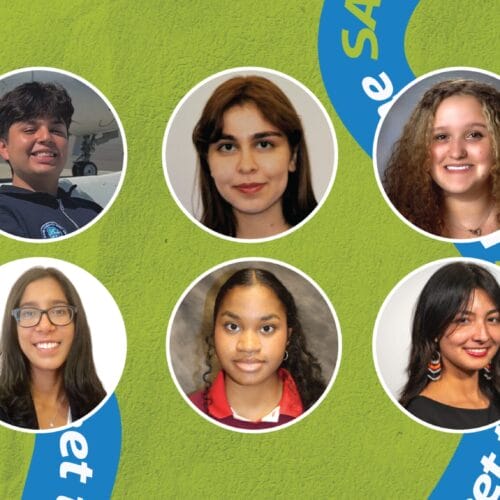
In a statement following the research highlights, Active Minds emphasized the importance of student-led advocacy. The organization’s Student Advisory Committee (SAC), which includes leaders like Nadira Akilo and Varsha Penumalee, has been vocal about the need for representation. Akilo, a biology major at the University of Texas, noted that in many minority communities, mental health is often dismissed or stigmatized, making the intersection of neurodivergence even more difficult to navigate.
Furthermore, the broader mental health landscape is currently reeling from the closure of specialized services. Recently, the 988 Suicide & Crisis Lifeline’s LGBTQ+ Youth Specialized Services program was shuttered, a move that The Trevor Project called a "literal lifeline" being cut. Advocates argue that if specialized services for vulnerable groups are being reduced at the federal level, the burden falls even more heavily on individual clinicians to be "culturally educated," as Bharariya’s research suggests.
Experts in the field agree that "identity matching"—pairing a patient with a therapist of the same race and neurotype—is often impossible due to the severe shortage of diverse clinicians. However, Bharariya’s research offers a more scalable solution: Curiosity.
"Her therapist wasn’t Latine," Bharariya wrote of one successful case study. "She was… ‘culturally educated.’ She’d gotten curious." This suggests that the solution to the intersectionality gap is not necessarily a perfect demographic match, but a clinical willingness to ask about the patient’s whole life rather than just their symptoms.

Implications: Moving Toward a Whole-Person Model
The implications of Bharariya’s research for the future of clinical psychology are significant. If the mental health industry is to address the inequities faced by neurodivergent POC, several shifts must occur:
1. Reform in Clinical Training
Graduate programs for psychology and psychiatry must move beyond "cultural competency" as a checkbox. Training must include the specific ways neurodivergence presents across different cultures and how systemic racism affects the diagnostic process.
2. Redefining "Success" in Therapy
Success should not be measured solely by the management of symptoms, but by the patient’s ability to integrate their neurodivergent identity into their cultural and family life. As the study showed, a tool that cannot be used at home is not a tool at all.
3. Policy and Advocacy
Organizations like Active Minds are using this research to advocate for policies that increase funding for inclusive care. The goal is to create a system where "pressing 3" for specialized support—as was once the case for LGBTQ+ youth on the 988 line—is the standard, not the exception.
4. Empowering the Patient
Bharariya concludes that the most effective way for neurodivergent POC to find care currently is to vet their providers aggressively. "It’s worth asking a provider directly how they think about culture and neurodivergence together," she advises. The answer to that question is often the most reliable indicator of whether the therapy will be successful.
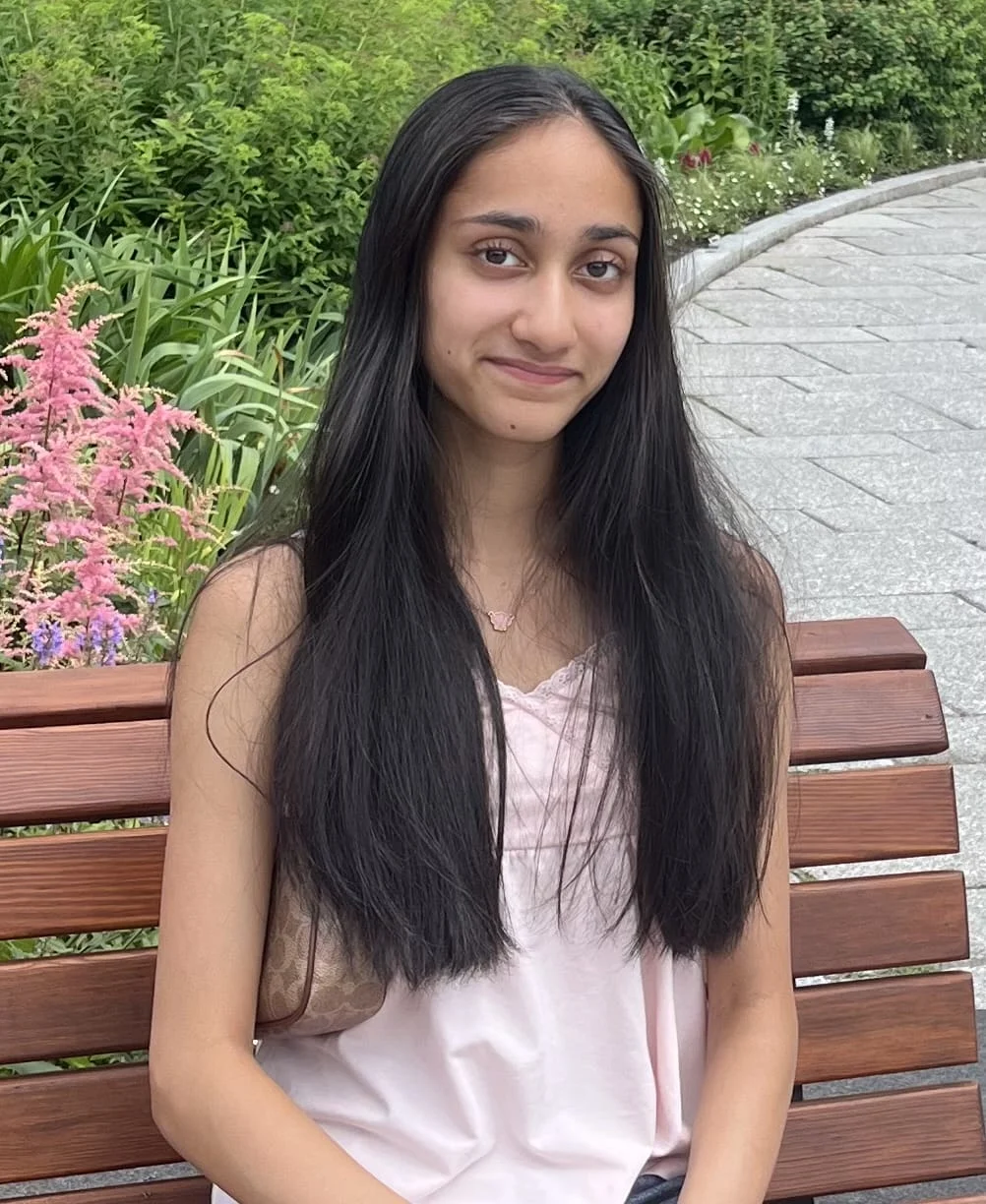
As Yashvi Bharariya, a high school student, has demonstrated, the voices of those most affected by systemic gaps are often the ones with the clearest vision for the solution. Her research serves as a reminder that behind every diagnosis is a human being with a complex history, a unique culture, and a right to be seen as a whole person.
The message from the six participants is clear: "Ask me about my whole life. Not just my symptoms."
For those seeking inclusive mental health resources or looking to advocate for change, Active Minds provides a platform for community connection and policy advocacy at ActiveMinds.org.