








LOS ANGELES — When Natalia Castillo walked across the commencement stage at the University of California, Los Angeles (UCLA) this past spring, the diploma in their hand represented far more than the completion of a double major in Cognitive Science and Art History. For Castillo, the walk was a physical manifestation of a hard-won victory over a series of systemic and personal crises that claim the lives of far too many university students each year.
Castillo’s journey—marked by the survival of sexual assault, financial instability, and two suicide attempts—has become a focal point for a broader conversation regarding student wellness at one of the nation’s premier public institutions. Beyond their personal recovery, Castillo emerged as a pivotal figure in UCLA’s mental health infrastructure, serving as the Executive Director of the university’s Active Minds chapter and a member of the Chancellor’s Suicide Prevention Committee.
Their story serves as a case study in "active hope," a philosophy that transitioned from a personal coping mechanism to a campus-wide campaign titled Hope Connects Us. As universities across the United States grapple with a burgeoning mental health crisis, Castillo’s trajectory offers a roadmap for how lived experience can be leveraged to create institutional safeguards.
The Chronology of Resilience: A Decade of Survival
Castillo’s narrative of advocacy did not begin in a lecture hall, but in the harrowing corridors of personal crisis. Their struggle with mental health dates back to high school, a period marked by the first of two suicide attempts. At that juncture, Castillo notes that survival was not a product of institutional intervention, but of familial bonds. "After my first attempt, my younger sisters became the reason I kept pushing beyond high school," Castillo reflected.
Upon entering UCLA, the pressures of a high-stakes academic environment, coupled with the trauma of sexual assault and the grinding reality of financial hardship, culminated in a second crisis. Following a second suicide attempt during their college years, the focus shifted from mere survival to the construction of a sustainable life. This period was defined by what Castillo describes as "collective holding"—a reliance on a close-knit circle of friends and mentors who "held hope" when Castillo could not.
By their senior year, Castillo had transitioned from a student seeking help to a leader shaping how help is delivered. In the 2023-2024 academic year, they represented the undergraduate student body on the UCLA Suicide Prevention Committee. This role allowed Castillo to bridge the gap between the raw, often messy reality of student suffering and the clinical, structured world of university administration.
The culmination of this work was the launch of the Hope Connects Us: Turning Collective Insight Into Campus Action campaign. This initiative was not merely a set of posters, but a comprehensive strategy aimed at integrating mental health awareness into the very fabric of the Bruin experience.
Supporting Data: The Crisis on American Campuses
Castillo’s individual experience reflects a staggering national trend. According to the 2023 Healthy Minds Study, which surveyed over 96,000 students across 132 campuses, approximately 44% of college students reported symptoms of depression, and 37% reported anxiety. Most alarmingly, 14% of students surveyed had seriously considered suicide in the past year.
The data further suggests that students from marginalized backgrounds—including those facing financial hardship or identifying as part of the LGBTQ+ community, like Castillo—face compounded risks. Research from the American Psychological Association (APA) indicates that "intersectional stress"—the intersection of academic pressure with identity-based trauma—requires more than traditional one-on-one therapy; it requires a systemic "culture of care."
Furthermore, the "peer-to-peer" model championed by organizations like Active Minds, which Castillo led at UCLA, is backed by significant clinical data. A study published in the Journal of the American Academy of Child & Adolescent Psychiatry found that students are significantly more likely to seek help when referred by a peer than when prompted by faculty or staff. Castillo’s work at UCLA capitalized on this "bridge" effect, turning personal pain into a relatable entry point for others.
Official Responses: UCLA’s Institutional Pivot
In response to the advocacy of students like Castillo and the rising demand for services, UCLA has shifted its strategy toward a more holistic, "public health" approach to suicide prevention. The Hope Connects Us campaign, which Castillo helped launch, is the cornerstone of this evolution.
University officials have identified four critical pillars for the campaign:

- Promotion: Increasing literacy regarding mental health resources so that students know where to go before a crisis hits.
- Prevention: Implementing screenings and educational workshops that address the root causes of distress, such as social isolation and academic burnout.
- Protection: Enhancing campus safety protocols and reducing access to lethal means.
- Preparedness: Training faculty, staff, and students to recognize warning signs and respond effectively to peers in distress.
"Hope is not passive," Castillo stated during the campaign’s rollout. "It is built when we recognize that someone is struggling and choose to stay by their side."
UCLA’s administration has acknowledged that student voices were instrumental in moving the needle from reactive crisis management to proactive prevention. By including students like Castillo on the Suicide Prevention Committee, the university ensured that policy decisions were informed by the "on-the-ground" reality of student life.
The Intersection of Art and Cognitive Science
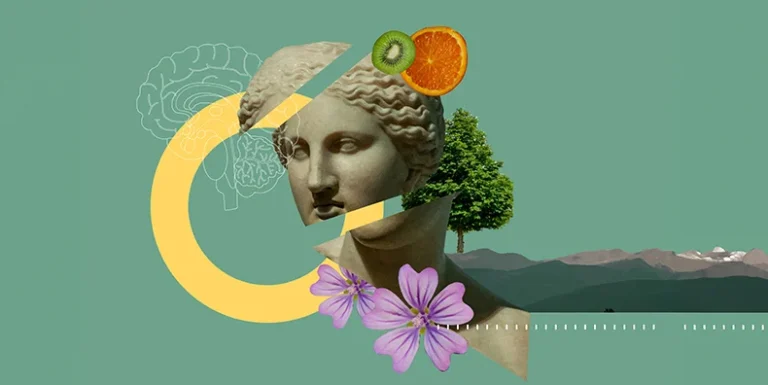
One of the most unique aspects of Castillo’s journey is the interdisciplinary nature of their healing. As a student of both Cognitive Science and Art History, Castillo utilized the analytical tools of the former to understand the mechanics of their illness, while using the latter to process the emotional weight of their trauma.
"Studying art taught me to slow down and appreciate the smallest details in life," Castillo explained. They found that the history of art is, in many ways, a history of human resilience—artists transforming conflict and longing into enduring expressions of beauty. This academic pursuit provided a "medium to express the pain I could not put into words."
This interdisciplinary approach has implications for how universities view "wellness." It suggests that the humanities and arts are not just academic disciplines, but vital components of a mental health toolkit. For Castillo, the ability to create—through writing, music, and visual art—allowed them to remain "unfinished and imperfect" while still feeling "worthy of being seen."
Implications: A New Paradigm for Student Advocacy
The implications of Castillo’s work extend far beyond the gates of UCLA. As they transition into professional advocacy, their focus has shifted toward supporting young people who have been stereotyped or marginalized by the mental health system.
1. The De-Stigmatization of "Second Chances"
Castillo’s openness about their suicide attempts challenges the "perfect student" narrative often found at elite universities. By framing their degree as "proof that I was still here," they provide a powerful counter-narrative to the shame often associated with mental health struggles.
2. The Necessity of Community Support
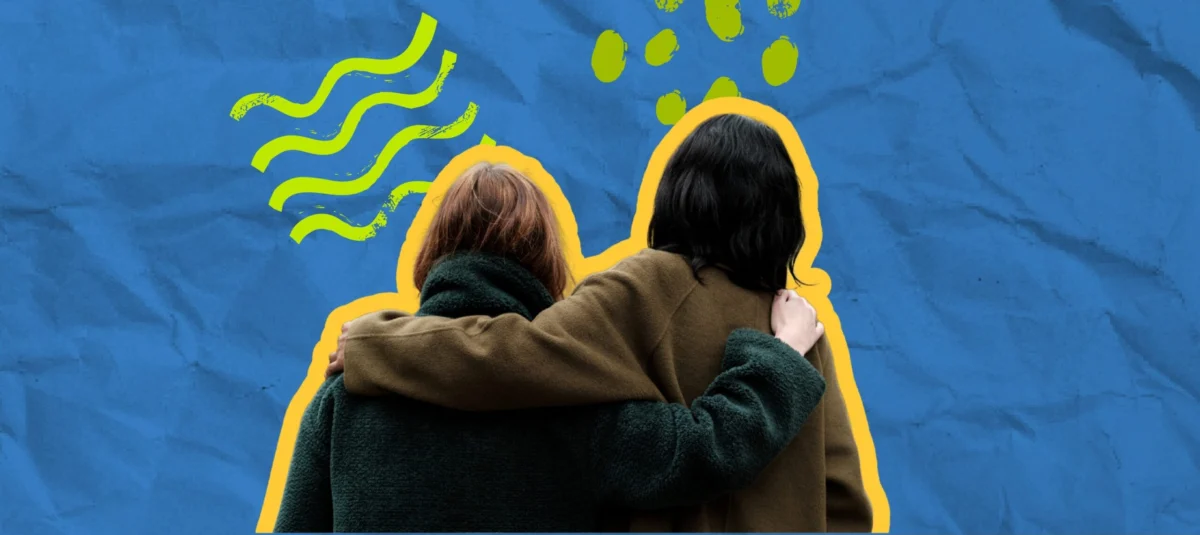
The core takeaway of Castillo’s journey is the inadequacy of the "rugged individualism" model of mental health. Citing Maya Angelou’s poem "Alone," Castillo emphasizes that "nobody can make it out here alone." This places the onus on institutions to foster communities of care rather than just providing clinical services.
3. Policy Shifts Toward Underserved Youth
Castillo’s future work aims to protect those whose circumstances—be they financial, racial, or identity-based—place them at higher risk. There is a growing movement in the mental health field to recognize that "worth" is not determined by productivity or "circumstances beyond one’s control."
Conclusion: Holding Hope for the Next Generation
As Natalia Castillo moves forward from UCLA, they leave behind a campus that is more equipped to handle the complexities of student life than when they arrived. The Hope Connects Us campaign stands as a testament to the power of a single student’s refusal to be defined by their darkest moments.
Today, Castillo views their life as a "second chance" dedicated to ensuring that no student has to carry their pain in isolation. "I once thought hope had to arrive loudly and with certainty," they said. "Now, I realize it exists in the poetry of quiet, everyday acts of care."
For the thousands of students who will walk across the UCLA stage in the years to come, Castillo’s legacy is a reminder that while the path to a degree is often paved with hardship, it does not have to be walked alone. The "bridge" they built out of their own pain now serves as a walkway for others to find their way back to themselves.