









For individuals living with Ehlers-Danlos Syndrome (EDS), Hypermobility Spectrum Disorders (HSD), and other chronic, invisible conditions, exhaustion is a multifaceted beast. While physical symptoms like joint subluxations, dysautonomia-driven heart rate spikes, and debilitating gastrointestinal distress form the core of the medical reality, there is a secondary, equally taxing layer: the performative burden of presenting one’s illness to the outside world.
In the modern social landscape, being sick is not enough. For the chronically ill, there is an unspoken, societal expectation to be "sick correctly." This phenomenon, which advocates have termed "performing wellness," requires individuals to constantly curate their physical state to suit the comfort levels of healthy, able-bodied peers, colleagues, and even strangers.
The Mechanics of "Performing Wellness"
At its core, "performing wellness" is the psychological and behavioral act of concealing, mitigating, or downplaying symptoms to preserve social harmony. It is an uncompensated, full-time job of demonstrating to the world that one is still "productive," "trying," or "improving."
This performance manifests in several ways:
- The "Smile Through It" Tax: Masking physical agony during social interactions or work meetings to avoid being perceived as a "complainer."
- The Attendance Burden: Pushing through severe symptom flares to attend events, fearing that canceling will result in social isolation or professional obsolescence.
- The Narrative Constraint: Feeling pressured to frame one’s health journey as a "warrior" story—one with a redemptive arc—rather than the mundane, non-linear reality of systemic connective tissue breakdown.
None of these behaviors are neutral. They are performances, evidence produced on demand for an audience that rarely acknowledges it is watching.
A Chronology of the "Inspirational" Expectation
To understand the pressure to perform wellness, one must look at the evolution of how society views the "patient."
- Pre-Digital Era: Historically, the sick were often sequestered or expected to adopt the "sick role" defined by medical professionals. If one was ill, they were excused from society, but often at the cost of being stripped of their agency.
- The Rise of the "Inspirational" Narrative: With the advent of social media, the narrative shifted. The archetype of the "Inspirational Warrior" emerged. This persona features the chronically ill person who maintains a positive outlook, exercises despite limitations, and shares "hacks" for wellness. While often well-intentioned, this created a standard that is nearly impossible to maintain.
- The Modern Paradox: Today, we live in a culture that simultaneously demands transparency about mental and physical health while penalizing those who are "too sick." We are encouraged to "be honest" about our struggles, but only if that honesty is wrapped in a bow of resilience and eventual triumph.
Supporting Data and The "Narrow Window"
Sociological observations suggest there is a remarkably narrow window for the "acceptably sick." This window is defined by two primary fears:
- The Fear of Being "Too Well": If a person with an invisible illness appears to be functioning well, observers often doubt the severity of their condition. This leads to the invalidation of accommodation needs, such as sitting in a chair at an event or requiring modified work hours.
- The Fear of Being "Too Sick": If a person appears truly, deeply ill, the social response is often one of withdrawal. Chronic illness is inconvenient; it is heavy, messy, and lacks a definitive "fix." When a patient refuses to minimize their suffering, they often find that friends and colleagues do not know how to react, leading to a breakdown in support systems.
The result is that the "Inspirational Warrior" is the only version of chronic illness that the general public finds "digestible." It is a version that offers the listener comfort—the reassurance that the illness is being managed and that a "cure" or "triumph" is just around the corner.
The Physical and Psychological Implications
The cost of this performance is profound. When an individual spends their limited daily "spoons"—a metaphor for energy units in chronic illness communities—on managing other people’s perceptions, they have less energy for their own medical management.
The Cognitive Load of Masking
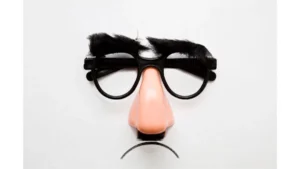
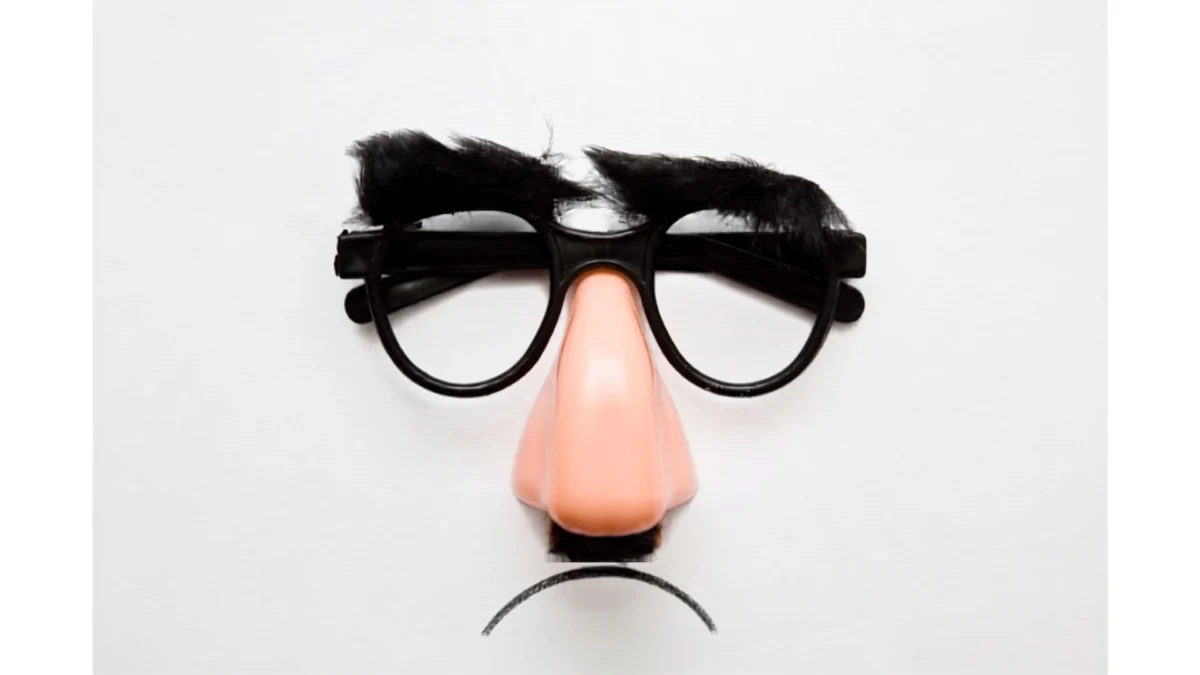
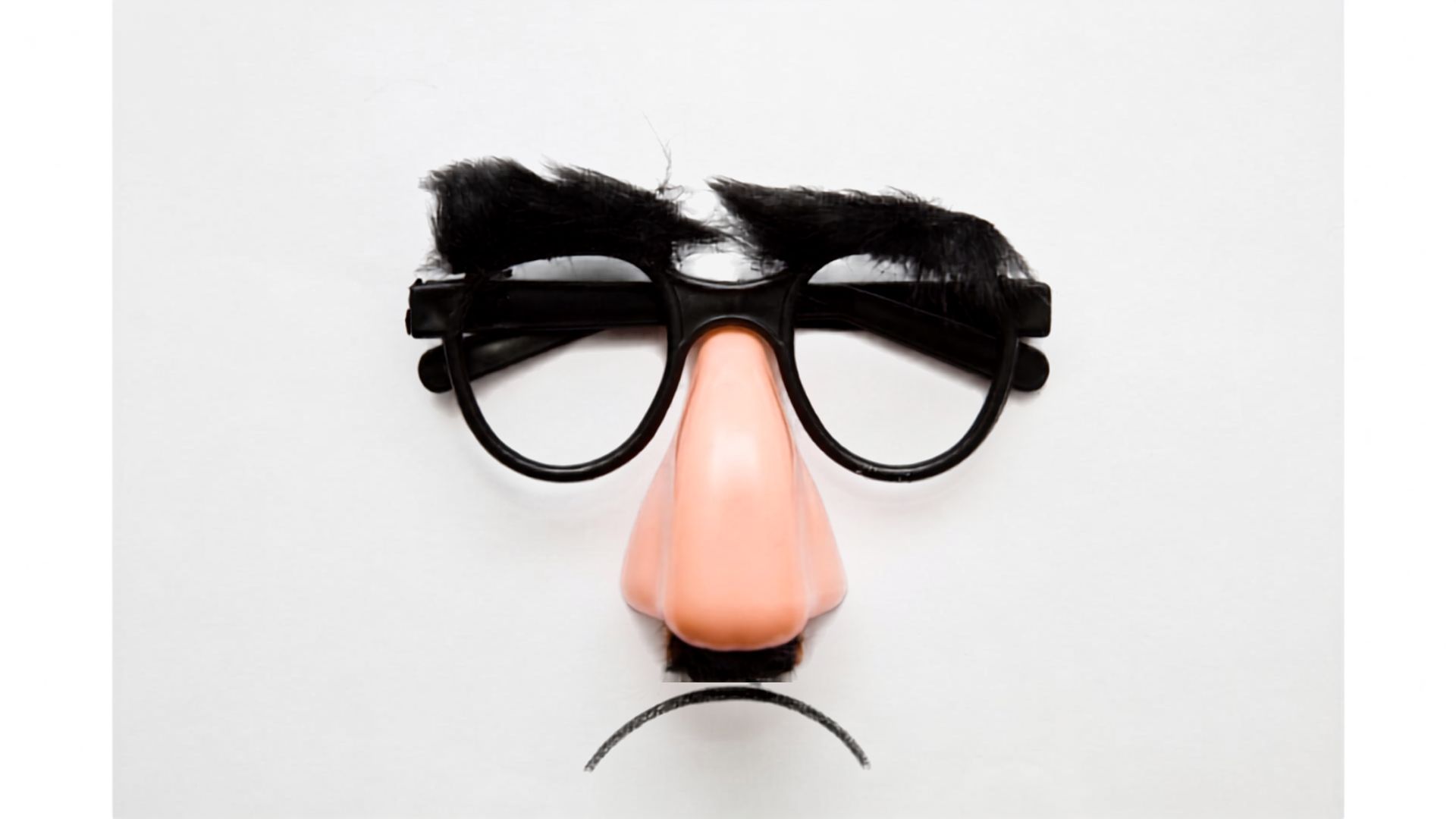
Masking is not merely a social strategy; it is a cognitive drain. It requires constant self-monitoring: Is my wince visible? Am I standing too stiffly? Did I mention my doctor’s appointment too many times this week? This constant monitoring of the self-as-object prevents the person from actually engaging in the life they are trying so hard to appear to be a part of.
Professional and Social Stigmatization
In professional settings, the pressure is magnified. Because EDS and HSD are often inconsistent—meaning a person might be able to work effectively one day and be bedbound the next—the fear of being labeled "unreliable" or "fragile" drives employees to hide their flares. They risk further injury to prove their reliability, often leading to long-term health decline.
Official Perspectives: The Clinical Reality
Medical professionals are beginning to recognize that "performing wellness" is a significant barrier to effective care. When a patient enters a clinic having "performed wellness" for their family and boss, they may also perform it for their doctor, inadvertently downplaying their symptoms during a brief consultation.
Clinical research coordinators and disability advocates argue that the medical system itself often reinforces this performance. Patients are frequently told to "stay active" or "keep a positive mindset," which, while medically sound in isolation, can be weaponized by the patient against themselves. If they cannot stay active, they feel they have failed not just their health, but the medical advice they were given.
Moving Toward "Radical Honesty"
The path forward requires a societal shift in how we perceive the limitations of the human body.
- Recognizing Social Capital: The first step is for individuals to recognize when they are "performing" to protect their social capital. Recognizing the difference between "I feel resilient today" and "I am performing resilience to avoid social abandonment" is a crucial psychological milestone.
- Redefining Support: For the able-bodied community, the goal should be to create space for the "un-inspiring" truth. Supporting someone with a chronic illness should not require them to provide a narrative of recovery. It should involve sitting with the reality that some conditions do not get better—they only evolve.
- The End of the PR Problem: Patients must begin to treat their health not as a public relations issue, but as a medical reality. Letting go of the need to be "inspirationally sick" allows for the preservation of energy for what truly matters: personal care, symptom management, and the pursuit of a life that is authentic, even if it is not "digestible" to others.
Conclusion
The pressure to perform wellness is an insidious form of systemic discrimination that forces those with invisible disabilities to spend their lives managing the comfort of others. It is a exhausting, repetitive cycle that serves no one—not the patient, and not the society that demands it.
By acknowledging this performance, we take the first step toward dismantling it. We must foster a culture that accepts the boring, difficult, and messy reality of chronic illness, recognizing that the true strength of a person is not found in their ability to hide their suffering, but in their capacity to exist within it, unmasked and unapologetic.
Tayler Goectau is a clinical research coordinator and disability advocate. Her work focuses on the intersection of invisible illness and social perception.