










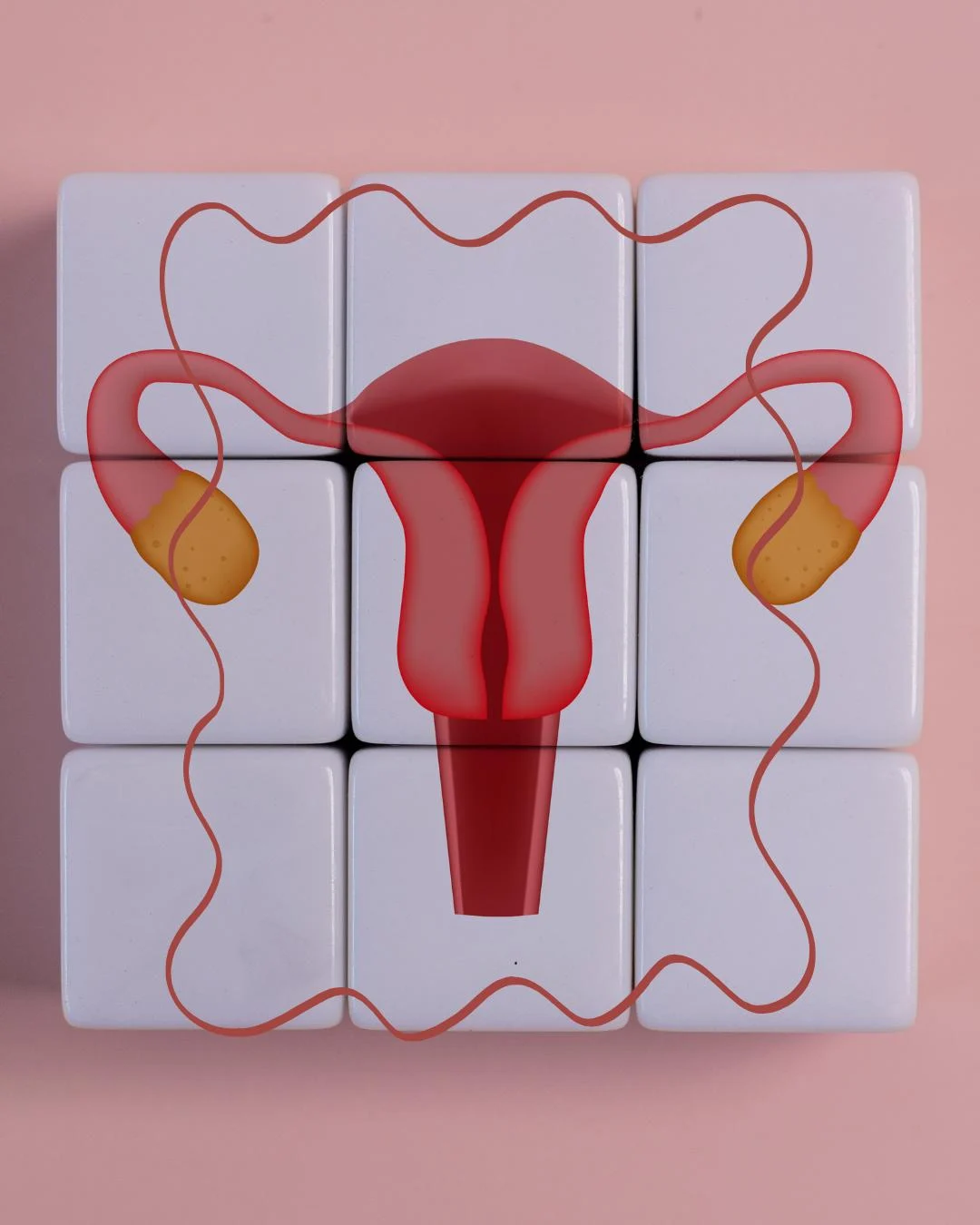
For millions of patients worldwide, the diagnosis of Polycystic Ovary Syndrome (PCOS) has long been a source of both clarity and confusion. For years, the term has suggested a localized reproductive issue—a condition defined primarily by the presence of cysts on the ovaries. However, on May 12, 2026, a landmark publication in The Lancet signaled the end of this outdated framework. The medical community has officially transitioned the nomenclature from Polycystic Ovary Syndrome to Polyendocrine Metabolic Ovarian Syndrome (PMOS).
This change is far more than a linguistic adjustment; it is a fundamental recalibration of how medicine perceives, researches, and treats a systemic condition that impacts millions, including a significant subset of the Ehlers-Danlos Syndrome (hEDS) and Hypermobility Spectrum Disorder (HSD) communities.
The Main Facts: Defining the New Era
The rebranding to Polyendocrine Metabolic Ovarian Syndrome (PMOS) reflects a fourteen-year global consensus effort to align medical terminology with modern pathophysiology. Historically, the term "PCOS" has acted as a diagnostic bottleneck, confining the condition to the domain of reproductive health and gynecology.
In reality, the condition is a complex, multisystem disorder. The new acronym, PMOS, systematically addresses the three pillars of the disease:
- Polyendocrine: Acknowledges the broad hormonal disturbances affecting the body, including insulin dysregulation, androgen excess, and neuroendocrine signaling.
- Metabolic: Highlights the critical systemic features, such as insulin resistance, obesity, and the heightened risk for Type 2 diabetes and cardiovascular disease.
- Ovarian: Retains the connection to reproductive function, as ovulatory dysfunction remains a defining characteristic, even in patients who do not present with visible ovarian cysts.
A Chronology of Confusion: The Evolution of a Name
The path to PMOS has been marked by decades of inconsistent terminology, which contributed to fragmented care and the marginalization of patients. Before settling on the consensus of PMOS, medical literature referred to the condition by various, often contradictory, titles, including:
- Sclerotic polycystic ovary syndrome
- Functional ovary androgenism
- Ovarian dysmetabolic syndrome
- Chronic anovulation
The inability of the medical community to settle on a definitive, descriptive name for over a century mirrors the diagnostic journey of many patients. The move to PMOS is the culmination of a rigorous, 14-year international process designed to finally move past the "cystic" focus that has plagued clinical understanding since the mid-20th century.
Supporting Data: The Case for a Systematic Pivot
The urgency for this change is rooted in hard data. For decades, the "ovarian" focus of the old name has led to systemic funding disparities. Between 2016 and 2022, research funding for what was then known as PCOS averaged approximately $32 million annually. By contrast, conditions with similar prevalence and mortality burdens—such as Systemic Lupus Erythematosus ($420 million) and Rheumatoid Arthritis ($262 million)—received significantly higher levels of institutional support.
The "ovarian" branding essentially siloed the condition within reproductive medicine, effectively barring it from the vast resources allocated to diabetes and cardiovascular research—two areas where PMOS patients are at significantly higher risk. By reframing the condition as a metabolic and endocrine disease, researchers hope to tap into NIH and global health funding streams that were previously inaccessible, potentially accelerating the development of targeted therapies.
Diagnostic Criteria: Refining the Clinical View
While the name has evolved, the diagnostic criteria remain anchored in the established, evidence-based frameworks that define the condition. Currently, a diagnosis of PMOS requires at least two of the following three criteria (noting that adolescent diagnosis requires the first two):
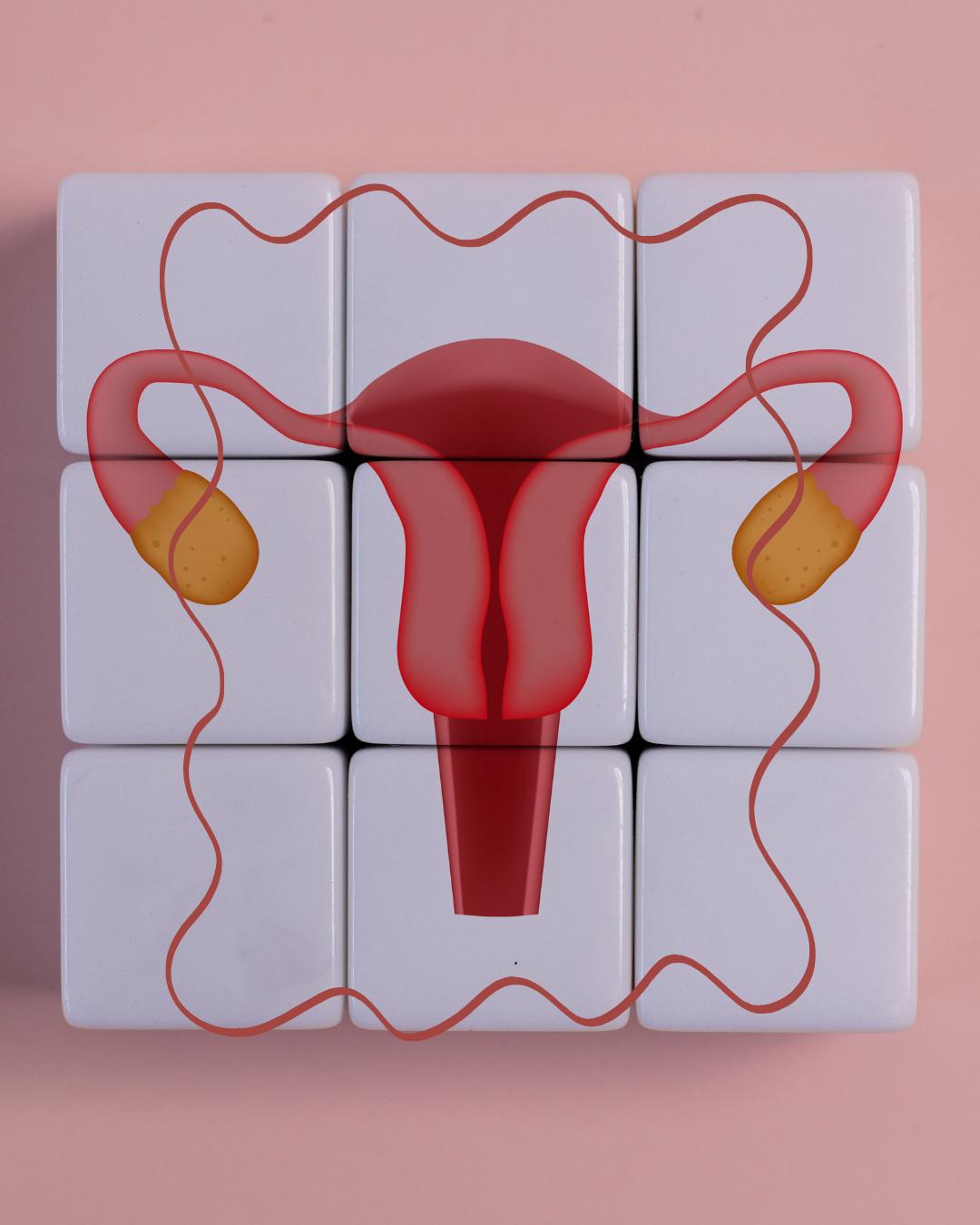
1. Clinical or Biochemical Hyperandrogenism
This remains a hallmark of the condition. Clinicians assess hyperandrogenism through:
- Bloodwork: Measuring elevated total or free testosterone, or utilizing indices like the Free Androgen Index (FAI).
- Clinical Presentation: Hirsutism is often evaluated using the Ferriman-Gallwey score, which ranks hair growth across nine body regions—including the chin, chest, and back—on a scale of 0 to 4.
2. Oligo-Anovulation
This refers to a spectrum of ovulatory dysfunction. Patients who experience cycles longer than 35 days or fewer than eight menstrual cycles per year are considered to meet this criterion.
3. Polycystic Ovarian Morphology
Detected via ultrasound, this is defined as having at least 20 follicles per ovary or an ovarian volume exceeding 10 cm³. It is vital to note that this is no longer the defining feature of the disease, but rather one of three potential diagnostic pillars.
Implications: Parallels with the hEDS Community
For those living with Hypermobile Ehlers-Danlos Syndrome (hEDS) or Hypermobility Spectrum Disorders (HSD), the shift to PMOS feels like a validation of their own struggle. Research indicates that approximately 17% of hEDS patients and 14.7% of HSD patients experience PMOS, a comorbidity that is increasingly being recognized as non-coincidental.
The two communities share a history of being misunderstood. Just as PMOS was long dismissed as a "simple" gynecological issue, hEDS has been historically framed as a "benign" joint condition, ignoring the systemic autonomic, gastrointestinal, and endocrine impacts that define the patient experience. The average diagnostic delay for hEDS—estimated at 22 years—is a sobering reminder of what happens when a condition is poorly named and poorly framed.
Both conditions suffer from the same systemic failure: when a name is too narrow, the medical community develops a "siloed" approach to treatment. A gynecologist might treat the ovaries while ignoring the patient’s insulin resistance; a rheumatologist might address joint hypermobility while ignoring the hormonal imbalances occurring elsewhere in the body. The PMOS renaming is a signal to the broader medical establishment that it is time to move toward "whole-person" care.
Official Responses and Future Integration
The implementation plan for the new terminology is comprehensive. International bodies, including the World Health Organization, are working to integrate "PMOS" into the International Classification of Diseases (ICD) codes. This will be a phased, three-year transition.
By the time the International Guideline—a document currently used by practitioners in 195 countries—is updated in 2028, the term PMOS is expected to be the global standard. This is not just a change for textbooks; it is a change for insurance billing, patient advocacy, and the fundamental way doctors interpret the symptoms presented by their patients.
Key Takeaways for the Future
- Comprehensive Understanding: The shift to PMOS forces clinicians to look beyond the ovaries and evaluate the patient’s metabolic and endocrine health.
- Funding Equity: By moving the condition into the broader "metabolic/endocrine" category, there is a greater opportunity for research funding in cardiology and diabetes, where it arguably belongs.
- Diagnostic Validation: For the nearly 1 in 5 hEDS/HSD patients who also suffer from this condition, the renaming provides a clearer, more legitimate framework for seeking care.
- The End of Stigma: By removing the "cystic" label, the medical community takes a step toward reducing the stigma that has led to decades of delayed diagnosis and fragmented care.
The renaming of PCOS to PMOS is a victory for patient advocacy. It serves as a potent reminder that language in medicine is not merely descriptive—it is prescriptive. The words used to define a disease dictate the quality of life for those who live with it. As the medical world adopts the term "Polyendocrine Metabolic Ovarian Syndrome," the hope is that the focus will shift from the superficial to the systemic, ushering in a new era of care that respects the complexity of the human body.