







By Jana Wu, LCSW, LADC, ICAADC, CASAC
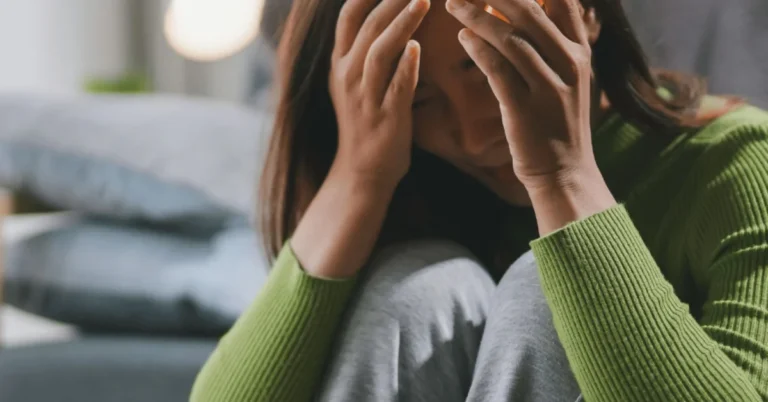
In my fifteen years of practice within the fields of mental health and substance use treatment, I have observed a recurring, systemic pattern that haunts the clinical encounter. As I approach my 50th year, this professional observation has matured into a deeply personal inquiry: Why are we, as a society and a medical establishment, so reflexively quick to relieve women’s distress before we have fully endeavored to understand its source?
The emergence of kratom—a tropical tree leaf from Southeast Asia with opioid-like and stimulant properties—has brought this question into sharp, urgent focus. I have worked with a growing cohort of women, ranging from their late 30s to their 60s, who have stumbled upon kratom while desperately searching for a balm for anxiety, chronic pain, or systemic exhaustion. Their stories are rarely about seeking a "high"; they are about seeking the ability to keep functioning in lives that have stretched them far beyond their capacity.
The Chronology of Comfort: From Hysteria to "Mother’s Little Helper"
To understand why women are turning to unregulated substances like kratom, we must look at the historical trajectory of how medicine has historically approached female distress. The medical response to women’s anxiety is not a new phenomenon; it is a long-standing legacy of symptom management.
In the 19th century, the medical establishment relied on catch-all diagnoses like "hysteria" and "neurasthenia." These terms served as convenient labels for a constellation of symptoms—fatigue, insomnia, irritability, and diffuse pain—that were largely dismissed as inherent female weaknesses. By the mid-20th century, the approach shifted from moral judgment to pharmacological intervention. The era of the "tranquilizer" was born.
In 1963, the introduction of Valium (diazepam) revolutionized the psychiatric treatment of women. It became the quintessential solution for the pressures of domestic and professional life. The phenomenon was so ubiquitous that it became a cultural touchstone; in 1966, The Rolling Stones released "Mother’s Little Helper," a cynical yet accurate commentary on the suburban housewife relying on pills to survive the dual burdens of family life and social expectation.
Nearly 60 years later, the prescription pads have changed—shifting from Miltown and Valium to modern benzodiazepines—but the fundamental dynamic remains unchanged. When a woman presents with distress, the system is designed to provide immediate relief. But as we have learned through decades of dependency and withdrawal crises, what happens when the distress persists long after the medication has done its job?
The Midlife Crucible: Why Women Are Particularly Vulnerable
For women navigating midlife, the pressure to "keep going" is immense. This period of life is often a perfect storm: perimenopause introduces physiological instability, including hormonal fluctuations that exacerbate sleep disruption, mood instability, and heightened anxiety. Simultaneously, these women are often part of the "sandwich generation," managing the zenith of their careers, raising children, and providing care for aging parents.
When these women seek help, they are often met with a healthcare system that is better equipped to quiet a symptom than to investigate the life surrounding it. If a woman reports a sudden onset of panic or a loss of sense of self, the clinical impulse is often to offer a prescription that blunts the edge of the discomfort.
However, "relief" is not synonymous with "treatment." True care requires the courage to pause and ask: Why is this happening now? It requires the patience to untangle the complex web of biological, psychological, and environmental stressors. By choosing the path of least resistance—masking the pain—we inadvertently prevent the patient from achieving the root-cause understanding necessary for long-term health.
The Kratom Phenomenon: A Search for Autonomy
It is a mistake to suggest that benzodiazepines directly cause a transition to kratom use; the pathways are far more nuanced. However, there is a clear, identifiable through-line: the relentless, often unfulfilled search for relief.
Many women I encounter describe kratom not merely as a medication, but as a tool for "functional optimization." They use it to work, to exercise, to show up for their children, and to maintain the façade of stability. For some, kratom represents a rejection of the pharmaceutical industrial complex. They perceive it as "natural" and "traditional," a way to reclaim autonomy over their own bodies outside the traditional medical system.
Yet, this perception of safety is a dangerous fallacy. In the United States, kratom exists in a regulatory gray area. It is not approved by the FDA, and there is no standardization of potency or purity. A woman consuming a powdered leaf product has no way of knowing if the concentration of mitragynine is consistent from one batch to the next.
Furthermore, there is a significant, under-discussed risk involving poly-substance use. In my clinical practice, I see patients who combine kratom with alcohol, prescribed benzodiazepines, or opioids. The physiological implications are severe. Combining substances with sedating properties creates a heightened risk for respiratory depression and profound, long-term cognitive impairment. The irony is tragic: the very substances these women use to "function" are creating a secondary, often more dangerous, cycle of dependence.
Official Responses and the Regulatory Landscape
The regulatory status of kratom remains a point of intense debate. The FDA has consistently warned against the use of kratom, citing the risk of addiction, abuse, and dependence. In 2016, the Drug Enforcement Administration (DEA) attempted to place the two primary compounds in kratom—mitragynine and 7-hydroxymitragynine—into Schedule I, but withdrew the proposal following public outcry and lack of research.
Currently, the onus falls on state legislatures. Some states have banned the substance, while others have moved toward the "Kratom Consumer Protection Act," which seeks to regulate labeling and purity standards rather than outright prohibition. However, from a clinical perspective, regulation does not eliminate the underlying crisis. Even a "pure" product carries the risk of physical dependency, especially when used to manage chronic, underlying trauma or anxiety that has never been properly addressed.
Implications: Changing the Clinical Encounter
We must move beyond the binary choice of either enduring severe, debilitating anxiety or relying indefinitely on a chemical crutch. The clinical community must pivot toward a model of "trauma-informed, life-situational" care.
If we are to effectively treat women’s distress, we must ask ourselves a difficult, introspective question: Whose discomfort are we actually treating?
Often, the pressure to provide a quick fix comes from a system that views the woman’s distress as a logistical problem to be solved—a "glitch" in her productivity—rather than a human experience requiring empathy and investigation. When a woman tells us she is exhausted and anxious, we must have the courage to ask what she is carrying, and then, crucially, help her put it down.
As clinicians, we must be detectives of the human condition. We must be willing to look at the hormonal, medical, and psychological factors before we reach for the prescription pad. If we continue to treat the symptom while ignoring the context, we will continue to see women turn to the next "natural" or "traditional" solution that promises the relief they so desperately crave.
The story of the woman seeking relief is as old as medicine itself. It is a story of resilience, but also a story of a system that has failed to offer a sustainable path to wellness. It is time to listen to the stories behind the symptoms. It is time to treat the woman, not just the anxiety. We owe them more than a quick fix; we owe them a comprehensive, honest, and patient-centered journey toward actual healing.
About the Author
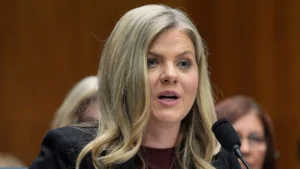
Jana Wu, LCSW, LADC, ICAADC, CASAC, is a clinician at Mountainside Treatment Center specializing in PTSD, anxiety, depression, and co-occurring disorders. A nationally recognized expert on kratom, she founded the country’s first clinician-led kratom support group and has presented on emerging substances to professional audiences nationwide. Her work has appeared in The Wall Street Journal, Rolling Stone, and on NBC News. She was a founder of the Addictions Committee of the Connecticut chapter of the National Association of Social Workers.