










By Jana Wu, LCSW, LADC, ICAADC, CASAC
For more than 15 years, I have navigated the complexities of mental health and substance use treatment. As I approach my 50th birthday, a question has begun to haunt my professional practice and personal reflection: Why are we, as a society and a medical community, so quick to relieve women’s distress before we have fully taken the time to understand it?
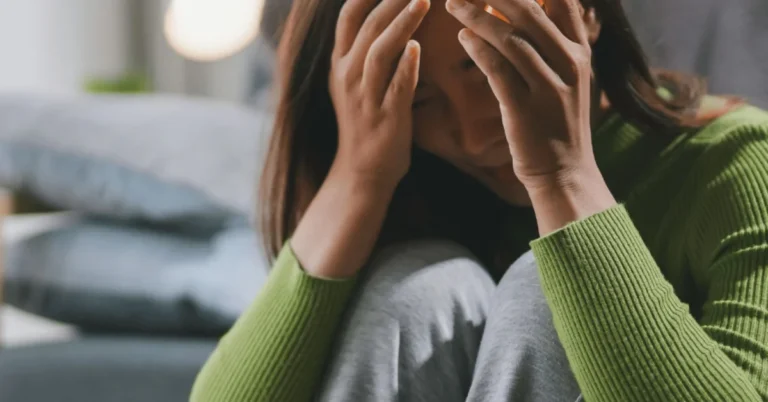
This inquiry has been brought into sharp focus by the rising prevalence of kratom—a tropical tree leaf from Southeast Asia—among my female clients. I have worked with a growing number of women, ranging from their late 30s to their 60s, who have stumbled upon kratom while desperately searching for relief from anxiety, chronic pain, and, perhaps most notably, a profound lack of energy. They describe it not merely as a way to "get high," but as a tactical tool to maintain their functionality in lives that feel perpetually stretched to the breaking point. They use it to work, to exercise, to nurture their children, to care for aging parents, and to meet the crushing, often invisible, demands of modern womanhood.
A Legacy of Medicalized Suppression
The medical community’s response to women’s anxiety did not begin with the modern era. To understand the current kratom phenomenon, one must look at the long, troubled history of how we treat women’s emotional and physical distress.
In the 19th century, medical terminology was weaponized against women through diagnoses such as "hysteria" and "neurasthenia." These catch-all terms were used to pathologize a wide array of symptoms—insomnia, fatigue, irritability, and anxiety—without ever addressing the root causes of the patients’ lives. By the mid-20th century, the medical toolkit evolved from physical confinement or moral judgment to pharmacological sedation.
The 1950s saw the rise of tranquilizers like Miltown, which were marketed heavily to housewives struggling with the monotony and stress of domestic life. By 1963, Valium hit the market, eventually becoming the most prescribed medication in the United States. Its ubiquity was so profound that it became a cultural shorthand for the "caged" suburban woman. In 1966, the Rolling Stones immortalized this dynamic in their hit song "Mother’s Little Helper," which depicted a woman relying on "yellow pills" to cope with the pressures of family, aging, and domestic responsibility.
Nearly 60 years later, the prescription bottles have changed, but the underlying dynamic remains remarkably consistent. We have traded Valium for modern benzodiazepines and, increasingly, for unregulated substances like kratom. The question persists: What happens when the distress outlasts the medication?
The Midlife Crisis: When Relief Is Not Enough
For women in midlife, the biological and social pressures converge to create a "perfect storm." Perimenopause often introduces physiological chaos—hormonal fluctuations that trigger new-onset panic, sleep deprivation, and mood instability. Simultaneously, these women are often in the "sandwich generation," managing the peak of their careers while balancing the needs of young children and aging parents.
Our current healthcare system is frequently better equipped to "quiet" a symptom than to investigate the environment that birthed it. Benzodiazepines, while clinically useful for short-term crisis management, are not a long-term treatment plan. They carry the significant risk of physical dependence and dangerous withdrawal.
When a woman reports that she can no longer sleep or that her body feels foreign, the clinical impulse is often to prescribe a sedative. However, true care requires the patience to untangle the threads of the patient’s life. We must ask: Is this anxiety hormonal? Is it a psychological reaction to trauma? Is it a situational response to unsustainable expectations? If we rush to silence the symptom, we lose the opportunity to help the patient evolve.
The Kratom Conundrum: A Search for Agency
I am not suggesting that benzodiazepines are a direct "gateway" to kratom. The pathways are far more nuanced. However, the stories I hear suggest that kratom is often a stop-gap measure for women who feel failed by the traditional medical system.
For some, kratom represents a rejection of the pharmaceutical establishment. These women seek something they perceive as "natural" or "traditional"—an herbal remedy that offers a sense of autonomy over their own bodies. But we must be careful: "Natural" is not synonymous with "predictable" or "safe."
The Risks of an Unregulated Market
Kratom is not regulated by the FDA like standard pharmaceuticals. The potency varies wildly between brands and batches, and the lack of standardization creates a dangerous environment for the user. Furthermore, the most dangerous aspect of kratom use is often what it is paired with.
In my practice, I see individuals combining kratom with alcohol, benzodiazepines, and even opioids. Because kratom can have sedative or opioid-like effects, these combinations can lead to respiratory depression and severe physical impairment. Yet, these risks are rarely discussed in the public discourse surrounding the substance. We are seeing a generation of women self-medicating with products that have the potential to exacerbate the very issues they are trying to solve.
Clinical Implications and the Road Forward
As clinicians, we must shift our focus from "treating the symptom" to "understanding the story." If we are to address the kratom crisis, we must first address the reason women are seeking it.
1. The Question of Whose Discomfort We Are Treating
Providers must ask a difficult, introspective question: "Whose discomfort am I treating?" Often, the pressure to "fix" a woman comes from a societal desire for her to remain a productive, quiet, and reliable caregiver. If she is anxious or exhausted, she is a "problem" that needs to be solved. If we stop to understand her distress, we may have to acknowledge that her life—and the expectations placed upon her—is the true source of the problem.
2. Moving Beyond Symptom Management
We need to provide women with more than a binary choice: either endure the agony of anxiety or rely on a chemical crutch. This requires a multidisciplinary approach that includes hormonal health, trauma-informed therapy, and lifestyle adjustments that prioritize the woman’s well-being over her productivity.
3. Educating the Patient
We need to be transparent about the risks of kratom, not through shame, but through evidence-based education. Many women I work with are shocked to learn that their "natural" supplement has addictive properties or carries risks of interaction. When we approach these conversations with curiosity rather than judgment, we can help women find safer ways to navigate their midlife transitions.
Conclusion: Reclaiming the Narrative
The history of women’s health is a history of being silenced, medicated, and managed. Kratom is simply the latest chapter in this long saga. It is a symptom of a deeper malaise—a society that asks too much of women and offers too little in the way of genuine support.
If we want to reduce the reliance on substances—whether they are legally prescribed or purchased in smoke shops—we must move away from the "relief-first" model. We must listen to the stories behind the symptoms. We must validate the exhaustion of the midlife woman without assuming that her discomfort is an illness to be erased.
True healing begins when we stop asking how to make a woman quiet, and start asking how we can help her thrive. As we continue to study the implications of kratom and the long-term effects of our current mental health practices, let us remember that the most potent medicine is often the time, attention, and understanding we give to those who have been forgotten in the shuffle of "relief."