








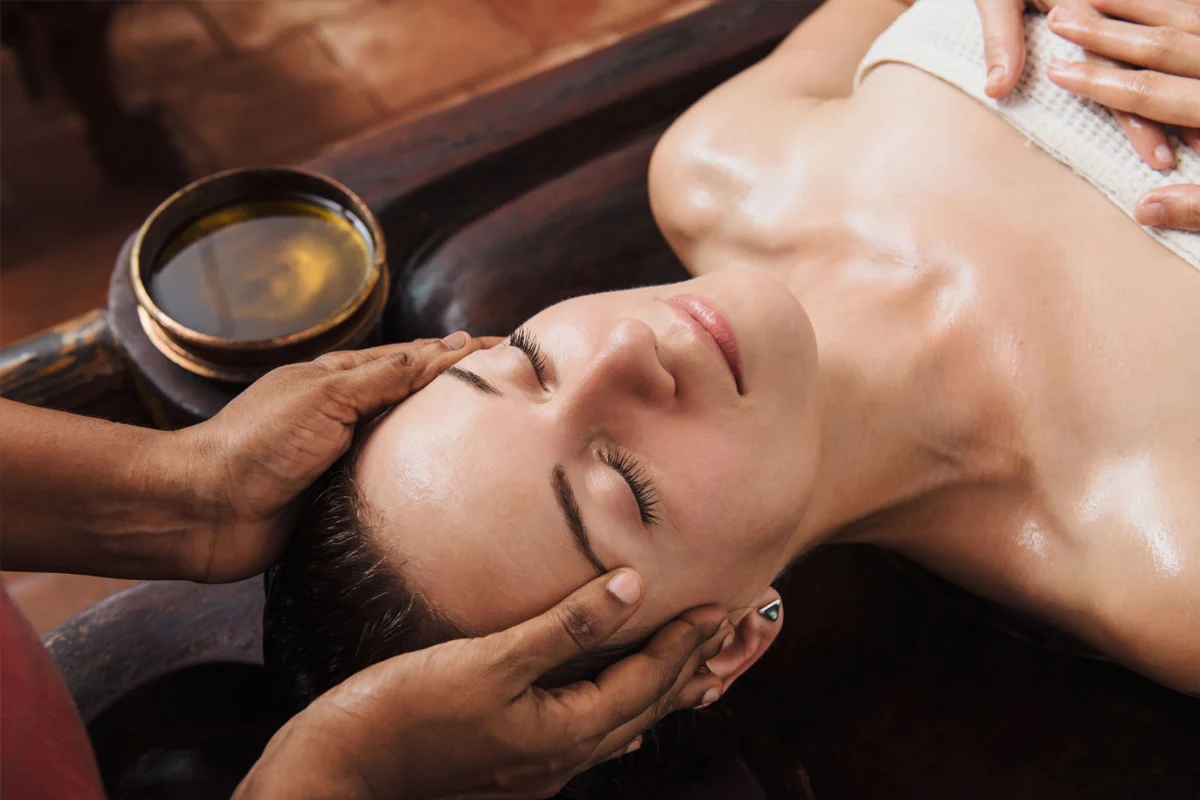
In an era of standardized healthcare, where clinical protocols are often designed for the "average" patient, Ayurveda offers a radical departure. It operates on a foundational premise that defies the one-size-fits-all model: no two human bodies are identical, and no two beings exist in the same state of balance. This ancient Indian system of medicine, which translates to the "science of life," has maintained its relevance for millennia by prioritizing the individual over the disease.
While modern allopathic medicine frequently targets symptoms with uniform interventions, Ayurveda seeks the samprapti—the unique disease process of the individual. Whether addressing chronic pain, metabolic disorders, or digestive dysfunction, Ayurveda posits that a singular diagnosis, such as diabetes, may manifest in 20 distinct ways, each requiring a tailored therapeutic path.
Main Facts: The Philosophy of Bio-Individuality
At the heart of Ayurvedic success is the refusal to treat imbalances as monolithic entities. For instance, pain is not merely a signal to be suppressed; it is a manifestation of an imbalance in one of the three doshas—Vata, Pitta, or Kapha. A Vata-type pain might feel sharp or shifting, while a Pitta-type pain might be inflammatory and burning, and a Kapha-type pain, dull and heavy.
Because the expression of illness is unique to the individual’s constitution (prakruti) and their current state of imbalance (vikruti), treatment plans are not static. They are dynamic, evolving blueprints that change as the patient progresses. This is where the Ayurvedic practitioner becomes indispensable. They do not merely dispense medicine; they act as architects of wellness, analyzing the strength of a patient’s digestive fire (agni) and the depth of toxin accumulation (ama) to craft a protocol that is as unique as the patient’s own DNA.
Chronology: The Three Stages of Panchakarma
When an imbalance becomes deep-seated, practitioners often turn to Panchakarma, a rigorous and systematic detoxification process. While the term translates to "five actions," the process is far more complex than a standard cleanse. It is executed in three distinct chronological stages: Purvakarma, Pradhanakarma, and Paschyatkarma.
Stage 1: Purvakarma (The Preparation)
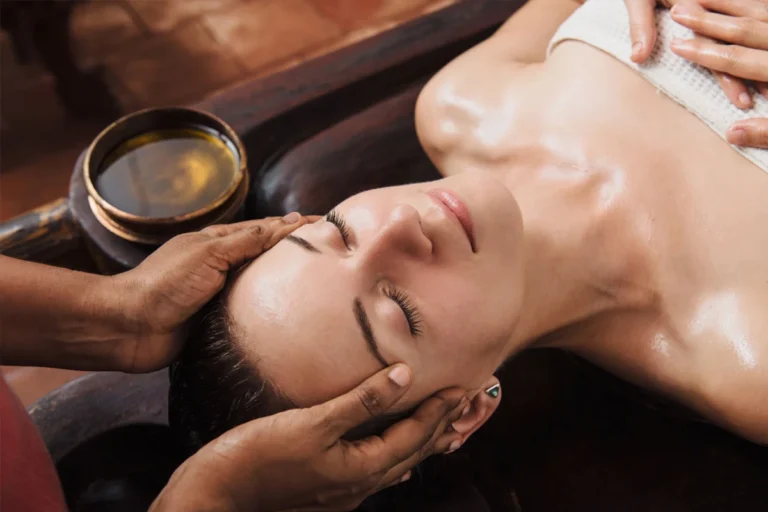
Before any detoxification can occur, the body must be prepared. Purvakarma is the foundational stage focused on "kindling" the agni (digestive fire) and mobilizing toxins stored in deep tissues. This is achieved through internal oleation, where a patient ingests medicated ghees or oils designed to soften and loosen toxins, pulling them from the tissues into the gastrointestinal tract. Because each metabolism is unique, the methods of igniting agni—ranging from specific herbal pickles to hot water regimens—are customized based on the patient’s digestive capacity.
Stage 2: Pradhanakarma (The Five Actions)
Once the system is primed, the Pradhanakarma stage begins. This is the core of the detoxification process, utilizing five specific therapeutic actions:
- Virechana (Purgation): Targeting the liver, gallbladder, and small intestine, this therapy utilizes mild laxatives to flush excess Pitta (heat/fire) from the body.
- Basti (Medicated Enema): Aimed at the colon—the primary seat of Vata—this involves the introduction of herbalized teas or oils. Unlike standard enemas, Basti is intended to nourish the colon lining and restore equilibrium to the entire nervous system.
- Vamana (Emesis): Used sparingly and only under strict supervision, this process pulls excess Kapha (phlegm/mucus) from the stomach using licorice tea and salt water.
- Nasya (Nasal Administration): This involves the application of specialized oils into the nasal passages to clear the head space, improve mental clarity, and alleviate sinus congestion.
- Raktamoksha (Bloodletting): Traditionally used to purify the blood of lingering toxins, this practice is rare in the modern Western context but remains a foundational concept for restoring healthy prana (life force) flow through the circulatory system.
Stage 3: Paschyatkarma (The Restoration)
The final stage is often the most overlooked by novices. Once toxins are eliminated, the body is left in a state of vulnerability. Paschyatkarma focuses on rebuilding tissues and restoring vitality. The practitioner implements a structured diet and lifestyle plan to ensure that the patient’s digestion is robust and that the body is nourished, preventing a relapse into old patterns of imbalance.
Supporting Data: Understanding the Clinical Necessity
The efficacy of these therapies hinges on the practitioner’s ability to interpret complex biological data. For example, in a modern clinical study of metabolic health, allopathic medicine might identify two types of diabetes. In contrast, Ayurveda’s 20-fold classification system allows for a more nuanced approach to blood sugar management, focusing on the specific doshic triggers of the patient.
Data from practitioners suggests that when patients follow a customized Panchakarma protocol rather than a "detox kit" bought off a shelf, long-term health outcomes—such as sustained energy, improved digestive regularity, and reduced systemic inflammation—are significantly higher. The reliance on the practitioner’s "critical eye" serves as a safeguard; without this oversight, standardized cleansing can actually deplete the body’s essential reserves (ojas), leading to fatigue rather than rejuvenation.
Official Responses and Expert Perspective
Industry leaders emphasize that as Ayurveda gains mainstream traction in the West, the distinction between "wellness trends" and "authentic practice" becomes vital. The National Ayurvedic Medical Association and top-tier institutions stress that Panchakarma is not a recreational spa treatment. It is a clinical intervention.
"The beauty of Ayurveda is its precision," says a spokesperson from the Ayurveda.com studies program. "When we speak to students, we emphasize that they aren’t just learning herbs; they are learning how to read the human body as a map. If a practitioner misses the signs of ama or miscalculates the patient’s prakruti, the entire detoxification process can backfire."
Practitioners at centers like the SoHum Mountain Healing Resort echo this sentiment, noting that the most successful outcomes occur when a patient aligns their wellness values with the practitioner’s expertise. They advocate for a relationship of transparency, where the patient is educated on why specific oils or herbs are chosen for their unique constitution.
Implications for the Future of Wellness
The implications of this individualized model are profound. As chronic lifestyle diseases continue to rise globally, the medical community is beginning to acknowledge that "standard of care" models often fail the individual. Ayurveda provides a blueprint for what some call "Precision Medicine"—a future where treatment is dictated by the patient’s unique biological markers rather than the average of a population.
However, the shift toward this model requires two things: a commitment from the patient to engage in deep, intentional self-care, and a commitment from the industry to maintain high standards of training. The rise of formal education programs in Ayurvedic studies is a direct response to this need for professional, ethically trained practitioners who can bridge the gap between ancient wisdom and modern clinical safety.
As you navigate your path to health, consider that the most effective healing does not happen through a universal cure. It happens through the intimate, calculated, and compassionate application of knowledge tailored specifically to you. Whether you are exploring Panchakarma for the first time or seeking to balance your daily lifestyle, the key lies in finding a practitioner who views you not as a diagnosis, but as an individual.
For those interested in pursuing the rigorous training required to become an Ayurvedic practitioner, detailed information on educational pathways can be found at the Ayurvedic Studies Program. For those seeking immersive, personalized healing experiences, visit the SoHum Mountain Healing Resort.