








Published September 24, 2026
In the modern yoga studio, the sequence is often predictable. We begin by centering, closing our eyes, and tuning into the rhythmic flow of our breath. We are taught to notice its pace, its depth, and its temperature. Eventually, the instructor cues us to "tune into the body." But for many practitioners, this directive remains abstract. How, exactly, do we cultivate a visceral, functional connection with the physical vessel we inhabit?
While traditional yoga postures—or asanas—offer a profound path to flexibility and strength, a growing movement within the physical therapy and mobility community suggests that we can optimize this process through a methodology known as Controlled Articular Rotations, or CARs. By integrating these precise, intentional movements into your yoga flow, you can bridge the gap between "stretching" and true "joint hygiene."
The Core Concept: What are CARs?
To understand CARs, one must first understand the purpose of a joint. Joints are the intricate junctions where bones meet, designed to allow for bending, twisting, and rotating. Over time, particularly as we age, these areas can become stiff, losing the fluid range of motion that defines youthful vitality.
Controlled Articular Rotations are not merely simple circles. They are a rigorous practice of moving a joint slowly and deliberately through its entire available range of motion while intentionally minimizing movement in the rest of the body. While a standard wrist roll or neck circle is often performed with momentum and relative indifference, a CAR requires neurological engagement.
"CARs are a ‘low-hanging fruit’ for a lot of people because they are highly accessible," explains Jen Hosler, a prominent physical therapist and mobility specialist. Hosler, who refined her expertise through the Functional Range Systems (FRS) framework, views this practice as a fundamental tool for body literacy. "Everybody tells us to ‘just listen to your body,’" she notes. "That advice is noble, but very few people are actually taught the vocabulary of how to listen. CARs provide that dictionary."

The Chronology of Joint Health
The practice of joint movement has evolved significantly over the last decade. Historically, yoga focused heavily on static stretching—holding a position to lengthen muscle tissue. While this is effective for flexibility, it often neglects the underlying health of the joint capsule itself.
In the early 2020s, the integration of clinical mobility science into fitness cultures began to bridge the gap between rehab protocols and general wellness. The shift moved from "passive stretching" to "active mobility." By 2026, the adoption of CARs within the yoga community represents the maturation of this trend. Practitioners are moving away from the "no pain, no gain" mentality of the past and toward a model of longevity, where the goal is to maintain the range of motion one already possesses rather than forcing the body into extreme, potentially harmful shapes.
Supporting Data: Why Joint Hygiene Matters
The science supporting consistent joint movement is rooted in the health of synovial fluid. This viscous substance resides within our joints, acting as both a lubricant and a delivery system for nutrients. When we remain sedentary or repeat only a narrow range of movements, the distribution of this fluid can become stagnant.
Regular, controlled rotation encourages the circulation of synovial fluid, which helps maintain the resilience of cartilage and connective tissue. According to data from recent physiological studies on joint longevity, individuals who incorporate targeted rotational movements demonstrate a higher degree of proprioception—the body’s ability to sense its position in space—than those who rely solely on static exercise.
Furthermore, CARs act as a diagnostic tool. By establishing a daily baseline of how your joints move, you become acutely aware of subtle changes. If your shoulder feels significantly restricted on a Tuesday morning compared to your Monday practice, you can identify that deviation before it manifests as an injury.
The Three Tiers of Implementation
One of the most appealing aspects of the CARs methodology is its scalability. Jen Hosler categorizes the practice into three distinct levels, allowing practitioners to tailor their intensity based on their current needs:
- Level One: The Unchallenged CAR. This is the "daily maintenance" version. Think of simple wrist or ankle circles performed freely in space. It is a foundational practice aimed at waking up the joints and maintaining existing mobility.
- Level Two: The Blocked CAR. This level introduces "blocking"—the use of a prop like a yoga block, a foam roller, or even the floor to isolate a joint. By immobilizing neighboring joints, you prevent the body from "cheating" by compensating with other muscles. This is a critical training tool for increasing range of motion safely.
- Level Three: The Loaded CAR. This stage introduces external resistance, such as a light dumbbell or a resistance band. It is particularly beneficial for those who are hyper-mobile and require more neurological feedback to build strength and control within their extreme ranges.
5 Practical Applications for the Yoga Mat
Integrating these movements into your existing practice does not require an hour of extra time. Instead, it involves transforming your warm-up or transition periods into moments of high-intent movement.
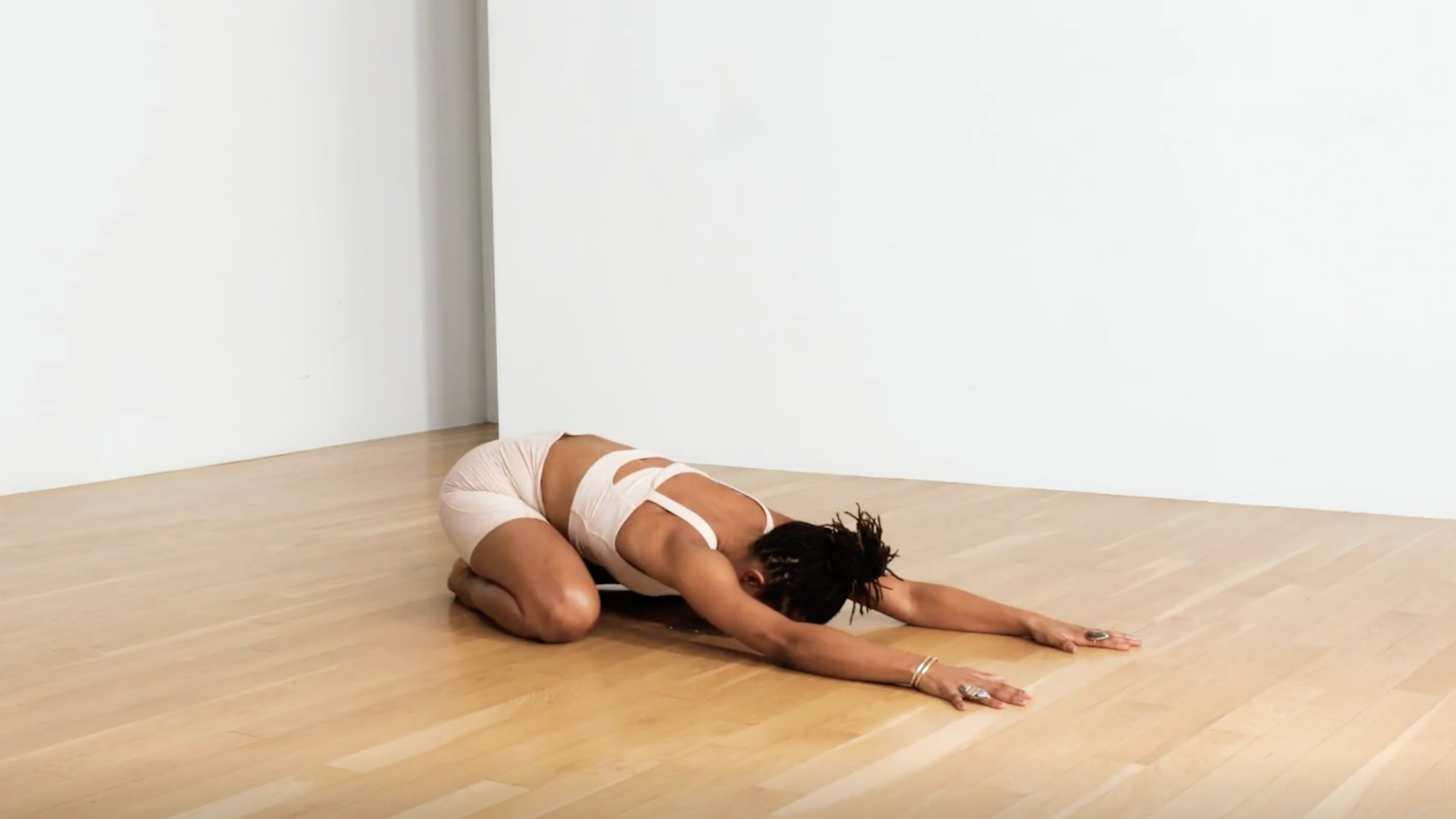
1. Shoulder Circles in Child’s Pose
Child’s Pose (Balasana) is often used as a rest position, but it is an ideal environment for shoulder isolation. By keeping your forehead on the mat, you eliminate the possibility of the thoracic spine assisting in the movement.
- The Technique: Reach your right arm out, keeping the elbow straight. Sweep it in a wide arc, rotating the shoulder as you move. Ensure the movement comes strictly from the shoulder socket.
2. Hip Circles in Tabletop Pose
In the familiar Tabletop position, you can target the acetabular joint (the hip).
- The Technique: Keep your spine neutral and your belly button pointed toward the mat. Draw your knee toward your chest, then out to the side, and finally rotate it back as if stamping the ceiling. This maintains pelvic stability while mobilizing the hip joint.
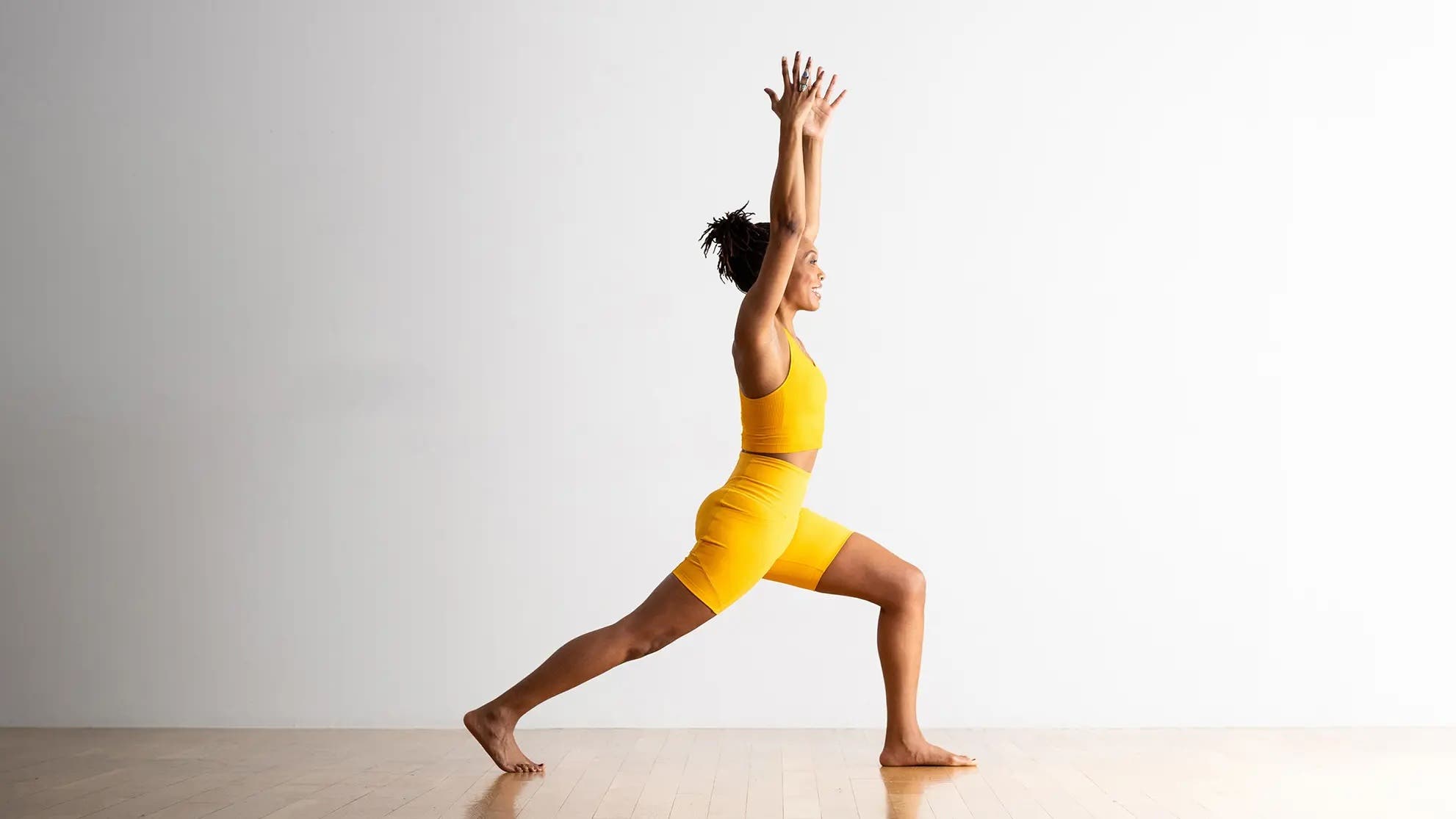
3. Wrist Circles in High Lunge
Wrist health is paramount for any practitioner engaging in inversions or arm balances.
- The Technique: In a High Lunge, extend your arms forward. Isolate the forearm by holding it with your opposite hand. Rotate the wrist through flexion, extension, and side-to-side motion. This serves as a potent reminder of the joint’s complexity.
4. Ankle Circles in Half Split
The ankle is frequently overlooked in yoga until a balance pose goes wrong.
- The Technique: From a Half Split, ground your heel. Move your foot through the full circle: dorsiflexion, eversion, plantar flexion, and inversion. Keeping the shin still is the key to ensuring the movement stays within the ankle joint.
5. Knee CARs in Heron Pose
Knee rotations are subtle but vital for rotational stability.
- The Technique: Using a forearm to hold the thigh steady in a seated position, lift the lower leg. Rotate the shin bone externally and internally. Place a hand on the knee to feel the shift, ensuring the movement is happening at the joint, not the ankle.
Implications for Longevity
The shift toward incorporating CARs into yoga signals a broader trend in physical culture: the move from "exercising" to "training." In the past, the goal of a yoga class was often the performance of a pose. Today, the goal is shifting toward the cultivation of a resilient, aware body.
"Control is important, but perfection is not the goal," Hosler emphasizes. "We aren’t trying to force the body into a shape it isn’t ready for. We are trying to make our current movements feel more natural, more fluid, and more under our own command."
As you begin to add these techniques to your practice, remember that mild clicking or popping is often a normal physiological response to joint movement, especially if you are new to the practice. However, pain is a red flag. If you feel pinching or instability, reduce the size of your circles. If discomfort persists, seek the guidance of a professional.
Ultimately, the marriage of yoga and CARs provides a comprehensive approach to the human body. By blending the mindful, breath-centered tradition of yoga with the clinical, anatomical precision of joint-health training, practitioners can ensure that their practice remains sustainable for decades to come. You are not just building a stronger body; you are building a more intelligent one.