











Published September 24, 2026
In the modern yoga studio, the sequence is almost liturgical: you are invited to ground your attention, tune into the rhythmic ebb and flow of your breath, and eventually, turn your awareness inward toward the physical vessel. But while "listening to your body" is the central mantra of the practice, it is rarely taught as a technical skill. For many practitioners, this directive remains an abstract concept, leaving them to wonder: How, exactly, do I listen to what my joints are saying?
The answer is increasingly being found in a modality borrowed from the world of physical therapy: Controlled Articular Rotations, or CARs. By integrating these deliberate, joint-specific movements into the traditional yoga flow, practitioners are discovering a more sophisticated, science-backed approach to "joint hygiene" that goes beyond simple warm-ups and into the realm of true physical literacy.
The Science of Joint Literacy: Understanding CARs
At the heart of the yoga practice, we often perform circular motions—wrist rotations, hip circles, and neck rolls—to prime the body for more intense asanas. While these movements are beneficial, they often lack the technical precision required for long-term joint health.
Physical therapists, particularly those trained within the Functional Range Systems (FRS) framework, argue that we can elevate these simple movements into Controlled Articular Rotations. A CAR is defined as the active, rotational movement of a joint through its entire available range of motion while maintaining absolute stability in the surrounding musculature. Unlike passive stretching, which relies on gravity or an external force to lengthen tissues, CARs are active engagements that demand neurological control.
"CARs are a really low-hanging fruit for a lot of people because they’re highly accessible," explains Jen Hosler, a physical therapist and mobility specialist. "I like to use them as a body literacy tool. We are constantly told to ‘just listen to your body,’ and that advice is sound, but nobody teaches you the language of that conversation. CARs provide the syntax for that dialogue."

A Chronology of Joint Health: From Passive Stretching to Active Control
The evolution of movement science has seen a marked shift over the last decade. Historically, yoga practitioners relied heavily on static, passive stretching to increase flexibility. However, modern kinesiology has highlighted the limitations of this approach: passive flexibility without active control often leads to instability and injury.
- The Era of Passive Stretching (Early 2000s): The emphasis was primarily on "getting deeper" into poses, often pushing joints into end-ranges without the necessary muscular engagement to support those positions.
- The Rise of Mobility Science (2015–2020): Practitioners began to distinguish between flexibility (the ability to be moved) and mobility (the ability to move oneself). This period introduced the concept of joint hygiene as a preventative medical necessity.
- The Integration Era (2025–Present): The current shift focuses on blending the mindfulness of yoga with the clinical precision of CARs, turning every practice into a diagnostic tool for joint health.
Supporting Data: Why "Joint Hygiene" Matters
The human joint is a sophisticated biological connection between bones, encased in a capsule and lubricated by synovial fluid. As we age, these capsules naturally thicken, and the synovial fluid—which acts as the "oil" for our internal hinges—can become less viscous, leading to stiffness and a reduced range of motion.
Research published in The Journal of Joint Health and Longevity suggests that daily, low-intensity, high-control movement is essential for maintaining cartilage health. Synovial fluid is non-vascular, meaning it does not have a direct blood supply; it relies on movement to circulate and deliver nutrients to the joint surfaces. CARs are uniquely effective here because they reach the "end-range" of the joint, ensuring that the entire surface of the cartilage is bathed in this nutrient-rich fluid.
Furthermore, practicing CARs creates a "neurological map" of the body. By moving a joint slowly and deliberately, you are essentially asking your nervous system to "check in" with the tissues at the furthest reaches of their capability. This improves proprioception—the body’s ability to perceive its position in space—which is a primary factor in preventing falls and injury during more complex yoga transitions.
Official Perspectives: The Three Levels of Engagement
According to experts like Jen Hosler, the beauty of CARs lies in their scalability. They are not one-size-fits-all; they are a tiered system of training that can be adapted to the practitioner’s current state of mobility.
Level 1: The Unchallenged CAR
These are movements performed in a neutral environment, such as rotating the wrist while the arm is unsupported in space. This is the "daily multivitamin" of joint health, suitable for everyone from beginners to seasoned athletes, aimed at maintaining existing range of motion.
Level 2: The Blocked CAR
This level introduces "blocking"—using a yoga block, foam roller, or the floor to stabilize neighboring joints. By immobilizing the surrounding structures, you remove the body’s ability to "cheat" or compensate. For example, by fixing your spine against the floor, you ensure that a hip rotation is truly coming from the hip joint, rather than the lower back. This is the most effective tool for increasing active range of motion.
Level 3: The Resisted CAR
Designed for those with hyper-mobility or advanced practitioners, this level introduces external resistance, such as a light dumbbell or resistance band. The goal here is not to add bulk, but to teach the nervous system how to create tension and control at the joint’s most vulnerable, end-range positions.
Clinical Implications: The Road to Injury Prevention
The implications of integrating CARs into a regular practice are profound. For the average yoga practitioner, the most immediate benefit is the ability to establish a "baseline." When you perform your CARs daily, you learn what your joints feel like on a "good day." When something changes—if there is a slight restriction, a dull ache, or a subtle change in movement quality—you become aware of it immediately, often long before it manifests as a chronic injury.
However, caution is required. While painless clicking or popping is often a normal byproduct of joint movement, it should never be ignored if accompanied by sharp, localized pain or instability. Experts emphasize that the goal is not to force a joint into a shape it isn’t ready for, but to "explore" the current boundaries of your anatomy with curiosity and mindfulness.
Practical Application: 5 Ways to Weave CARs into Your Yoga Practice
The following movements are designed to be integrated into your existing flow, allowing you to turn familiar poses into mobility labs.
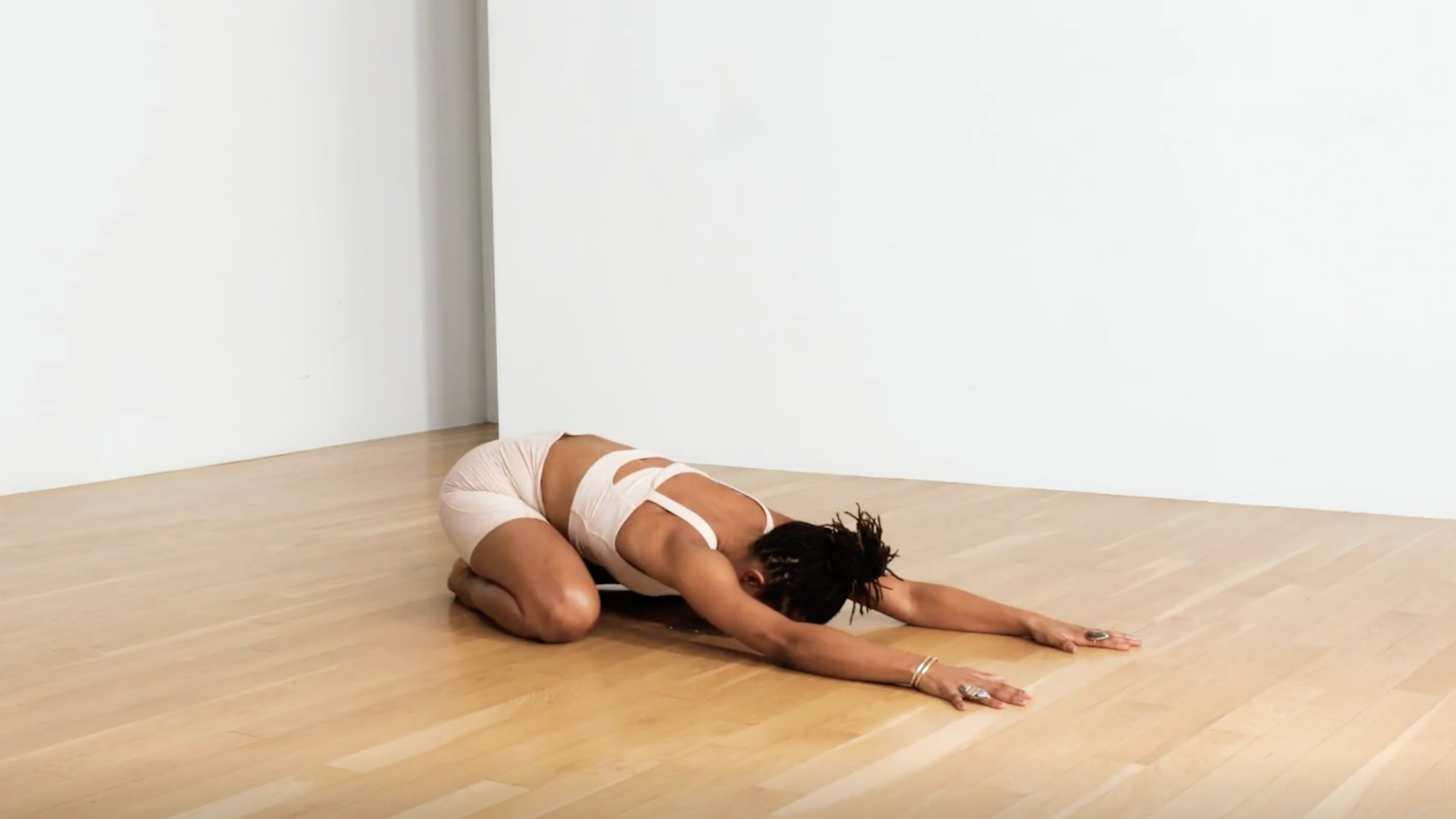
1. Shoulder Circles in Child’s Pose
Child’s Pose acts as a perfect "block" for the thoracic spine. By keeping the forehead grounded, you isolate the shoulder joint. As you lift one arm, sweep it in a wide arc, focusing on rotation rather than just lifting. This ensures the shoulder girdle is moving through its full, healthy capacity.
2. Hip Circles in Tabletop
Tabletop is the gold standard for hip isolation. By grounding the hands and maintaining a steady core, you can move the femur through its full range—flexion, abduction, and internal/external rotation. Imagine drawing a circle with your knee, keeping the pelvis level to ensure the movement remains entirely within the hip socket.
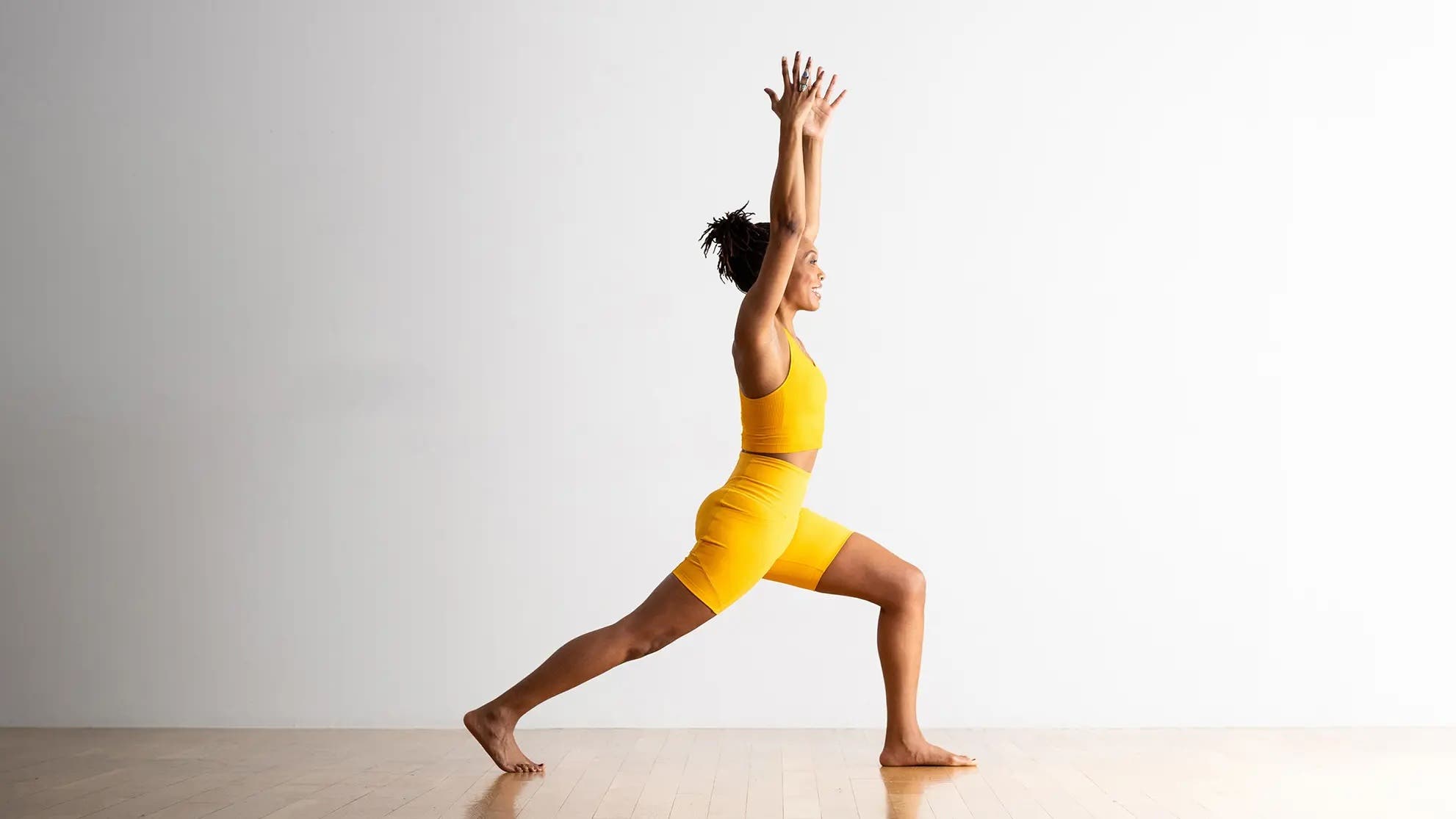
3. Wrist Circles in High Lunge
High Lunge offers a stable base for the lower body, freeing up the upper extremities. By performing slow, deliberate wrist rotations here, you prepare the joints for the demands of weight-bearing poses like handstands or arm balances. Experiment with both fisted and extended fingers to see which variation provides the most "feedback" for your specific anatomy.
4. Ankle Circles in Half Split
The ankle is the foundation of balance. In Half Split, with the heel anchored, you can explore the full circumference of the ankle joint. This is vital for those who struggle with balance in standing poses, as the ankle must be able to adapt to uneven surfaces and weight shifts.
5. Knee CARs in Heron Pose
Often overlooked, the knee is not just a hinge—it also possesses a small degree of rotation. Using a forearm to stabilize the thigh in a modified Heron Pose allows you to isolate the tibia. By focusing on the internal and external rotation of the shin, you build resilience against common knee injuries, ensuring that the joint is supported by strong, active engagement rather than just passive ligaments.
Conclusion: The Mindful Path to Longevity
Yoga has always been a practice of mindfulness, but CARs provide the physical framework to make that mindfulness tangible. By moving away from the goal of "perfection" in a pose and toward the goal of "connection" with the joint, we transform our practice into a lifelong pursuit of health.
We are not merely stretching our muscles; we are communicating with our skeletal structure, ensuring that our joints remain the resilient, lubricated, and functional hinges they were meant to be. In the end, the most advanced yoga pose is not the one that looks the most impressive—it is the one where you are in complete, conscious control of every movement you make.