










As the medical community grapples with rising rates of pediatric obesity, the emergence of glucagon-like peptide-1 (GLP-1) receptor agonists has been hailed as a transformative development. Drugs such as liraglutide, semaglutide, and dulaglutide are increasingly being prescribed to adolescents struggling with weight management, prediabetes, and type 2 diabetes. However, a groundbreaking study recently published in the journal Childhood Obesity has introduced a sobering cautionary note: these life-altering medications may come with an unintended, yet significant, nutritional toll.
The study, which examined the health outcomes of over 2,000 young patients, revealed that nearly one in six children (16.8%) developed a nutritional deficiency within just one year of initiating GLP-1 therapy. This discovery highlights a critical gap in current clinical protocols and underscores the urgent need for a more comprehensive, multidisciplinary approach to pediatric weight management.
The Core Findings: A New Clinical Challenge
The research, led by senior author Dr. Justin Ryder of the Ann & Robert H. Lurie Children’s Hospital of Chicago, represents one of the most comprehensive investigations into the side effects of GLP-1 usage among the pediatric population. By analyzing administrative claims data from 2017 to 2022, researchers identified a consistent pattern of nutrient depletion that appears to be inextricably linked to the physiological changes prompted by the medication.
Of the various deficiencies recorded, vitamin D deficiency was the most prevalent, impacting 12.4% of the study participants within the first year. Other deficiencies, including those involving critical minerals like iron and calcium, were also noted, though at lower frequencies.
The significance of these findings cannot be overstated. During adolescence, the body undergoes a period of rapid skeletal growth, hormonal flux, and neurological development. This is a "high-demand" window for the human body, where the intake of micronutrients is not merely a dietary recommendation but a biological necessity for long-term health. When a medication suppresses appetite or alters metabolism—as GLP-1s do—the margin for error regarding nutritional intake shrinks considerably.
Chronology of the Research and Methodology
To reach these conclusions, Dr. Ryder and his colleagues utilized a massive, robust database encompassing more than 100 million patient records. By filtering for specific criteria, they isolated a cohort of 2,031 patients between the ages of 10 and 17 who had been prescribed GLP-1 medications.
Crucially, the researchers only included patients who met strict "continuous enrollment" requirements and, most importantly, had no prior record of nutritional deficiency before starting their GLP-1 regimen. This methodology allowed the team to establish a clearer temporal link between the commencement of drug therapy and the subsequent emergence of deficiencies.
The Breakdown of Prescribed Medications
The study also provided a fascinating look at the landscape of pediatric prescribing patterns:
- Liraglutide (Victoza and Saxenda): The clear dominant force, accounting for 78.6% of all prescriptions in the study group.
- Dulaglutide (Trulicity): Representing 10.4% of the cohort.
- Semaglutide (Ozempic and Wegovy): Accounting for 9.1% of the prescriptions.
The data spans five years, capturing the evolution of treatment trends as semaglutide products gained mainstream prominence toward the end of the study period. By isolating these specific medications, researchers were able to confirm that the risk of deficiency was not isolated to one specific brand, but rather appeared to be a broader phenomenon associated with the class of drugs itself.
The Critical Window: Nutrition During Puberty
The physiological consequences of these findings are profound. Adolescence is the primary window for bone mass accumulation. If an adolescent enters this stage with insufficient levels of vitamin D or calcium, the risk of developing osteopenia, osteoporosis, or suffering from fractures later in life increases significantly.
"Nutrients such as vitamin D, iron and calcium are of particular concern during adolescence, when deficiencies may have lasting implications for skeletal health and overall development," Dr. Ryder explained.
The mechanism behind this deficiency is multifaceted. GLP-1 medications function by mimicking hormones that signal satiety, effectively slowing gastric emptying and reducing overall caloric intake. While this is the intended effect for weight loss, the reduction in volume often leads to a reduction in nutritional density. If a child consumes fewer calories but does not prioritize nutrient-dense food sources, they are effectively "starving" their body of the micronutrients required for cellular repair and structural growth.
Official Responses and the "Care Gap"
Perhaps the most alarming component of the study is not just the existence of these deficiencies, but the lack of proactive management currently being offered to young patients. The researchers found a stark disconnect between the prescription of the medication and the provision of dietary support.
- Only 5% of patients received nutritional counseling within the first 30 days of initiating GLP-1 treatment.
- Less than 25% of patients received any form of nutritional counseling within the first six months of treatment.
This "care gap" suggests that while pediatricians and specialists are quick to monitor weight-loss progress, they are lagging in the provision of holistic care. Nutritional counseling is often treated as an elective add-on rather than a foundational pillar of the treatment plan.
Dr. Ryder’s team argues that this reactive approach—waiting for a deficiency to show up in a blood test before intervening—is fundamentally flawed. By the time a clinical deficiency is diagnosed, the patient may have already endured months of suboptimal nutrient levels, potentially impacting their growth trajectory.
Implications for Future Pediatric Practice
The findings from the Childhood Obesity study serve as a clarion call for a paradigm shift in how GLP-1s are managed in pediatric settings. If these medications are to be used safely, the standard of care must evolve to include the following:
1. Mandatory Baseline Screening
Clinicians should conduct comprehensive nutritional blood panels prior to the initiation of GLP-1 therapy to establish a baseline. This should include assessments for vitamin D, ferritin (iron stores), vitamin B12, and electrolytes.
2. Proactive Nutritional Counseling
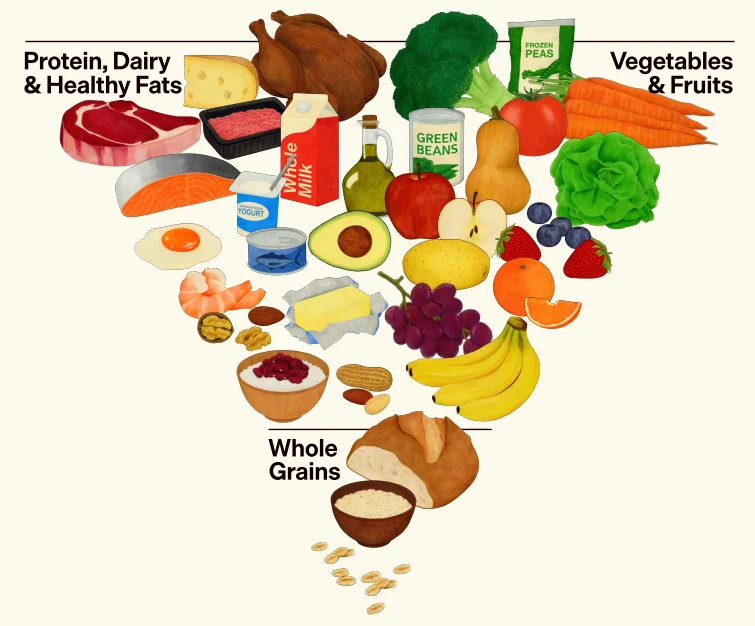
Nutritional support should not be an afterthought. Every child starting a GLP-1 medication should be referred to a registered dietitian who specializes in adolescent health. This counseling must focus on "nutrient density"—ensuring that the smaller volumes of food the child consumes contain the maximum possible spectrum of vitamins and minerals.
3. Routine Monitoring
The study suggests that monitoring should not stop at the weight scale. Periodic blood work should be standard protocol every three to six months for the duration of the treatment to ensure that the patient’s micronutrient levels remain within a healthy range as they continue to lose weight.
4. Integration of Supplementation
In cases where dietary changes are insufficient to maintain levels, clinicians should be prepared to prescribe high-quality, age-appropriate supplements. This is particularly relevant for vitamin D, which is difficult to obtain through diet alone and is frequently lacking in the average adolescent diet even without the confounding factor of GLP-1 use.
Conclusion: Balancing Progress with Caution
The introduction of GLP-1 receptor agonists into the pediatric toolkit is undeniably a major medical breakthrough. For children and teenagers struggling with the severe health complications of obesity, these drugs offer a chance to regain control of their metabolic health. However, as with any potent pharmaceutical intervention, the benefits must be balanced against potential risks.
The study led by Dr. Ryder does not suggest that GLP-1s should be abandoned; rather, it highlights that the "success" of these medications must be measured by more than just the number on a scale. True health involves the preservation of skeletal integrity, the support of developmental milestones, and the maintenance of systemic nutritional balance.
By closing the current gaps in nutritional counseling and adopting a more rigorous, proactive monitoring strategy, the medical community can ensure that these life-changing drugs do not come at the cost of the patient’s long-term well-being. The road ahead for pediatric obesity treatment is promising, but as this study proves, it requires a commitment to a standard of care that looks at the whole child, not just their weight.
As we move forward, the collaboration between endocrinologists, surgeons, dietitians, and pediatricians will be the deciding factor in whether these medications are used to heal or whether they inadvertently create new, hidden health challenges for the next generation. The message from the research is clear: when it comes to the developing bodies of our children, nutrition is not optional—it is a critical component of the cure.