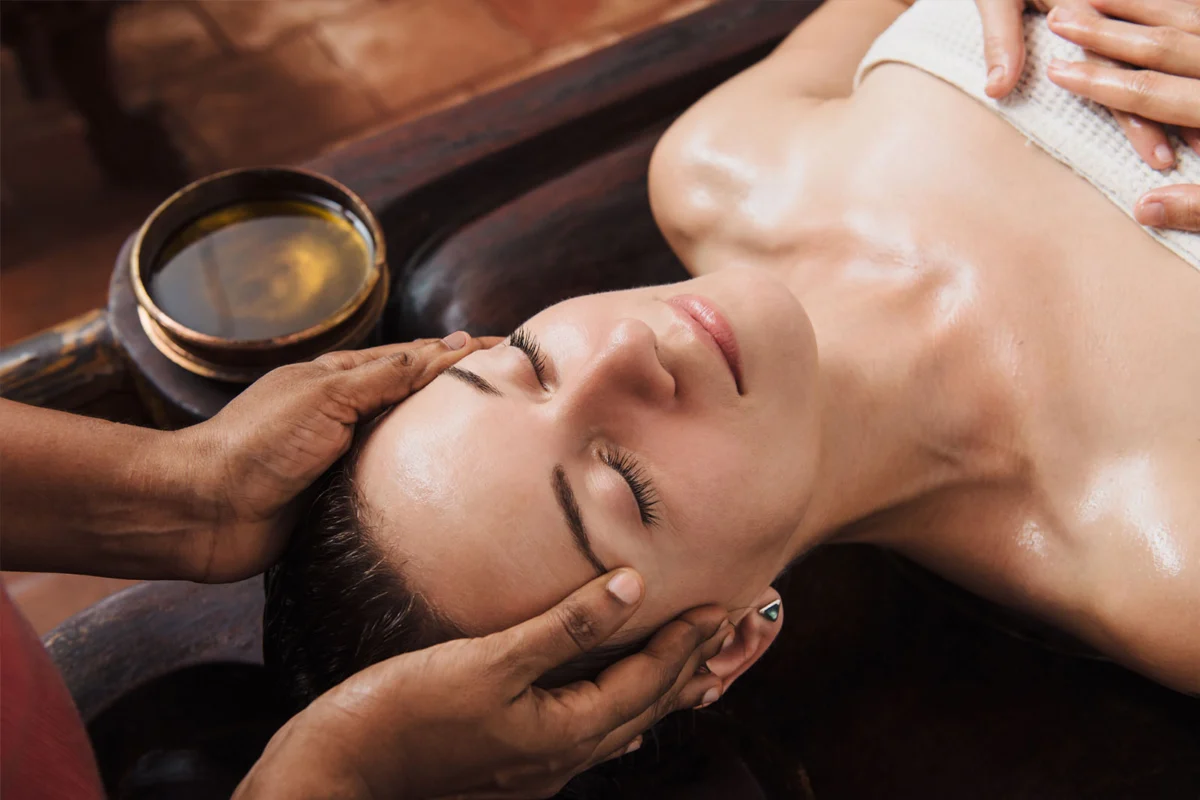
In an era of standardized healthcare, where clinical protocols are often designed for the "average" patient, Ayurveda stands as a radical departure. Rooted in the ancient wisdom of India, this holistic system operates on a foundational truth: no two human beings are biologically or energetically identical. While modern medicine often treats the symptoms—the "band-aid" approach—Ayurveda seeks the samprapti, or the unique disease process, to address the root cause of an imbalance.
The Philosophy of Personalization
The beauty of Ayurveda lies in its infinite granularity. Where allopathic medicine might categorize diabetes into two primary types, Ayurvedic tradition identifies twenty distinct classifications. Similarly, pain is not viewed as a monolithic ailment; it is categorized as vata, pitta, or kapha in nature, requiring vastly different therapeutic interventions depending on the patient’s constitution.
This radical personalization is the hallmark of the Ayurvedic practitioner. Their role is to act as a detective of the body, discerning an individual’s prakruti (inherent state of balance) and vikruti (current state of imbalance). By understanding the patient’s agni (digestive fire) and the extent of ama (toxic accumulation), the practitioner crafts a roadmap for healing that is as unique as a fingerprint.
Understanding the Detoxification Framework: Panchakarma
At the pinnacle of Ayurvedic healing is Panchakarma, a rigorous, multi-staged detoxification process. Often misunderstood as a simple "cleanse," Panchakarma is a highly sophisticated medical intervention designed to pull toxins from deep tissues into the digestive tract for elimination.
However, the efficacy of this process is entirely dependent on the practitioner’s oversight. Because every individual enters the protocol with different digestive strengths and toxic loads, a standardized "off-the-shelf" Panchakarma is an oxymoron. It must be tailored at every turn to ensure safety and efficacy.
Chronology of the Panchakarma Protocol
The journey through Panchakarma is divided into three distinct chronological stages, each requiring precise orchestration by a trained professional.
Stage 1: Purvakarma (The Preparatory Phase)
Before the body can undergo major detoxification, it must be prepared. Purvakarma is the foundational stage focused on "kindling" the agni. Just as a fire needs the right kindling to burn brightly, the body’s digestive fire must be stimulated to metabolize toxins. This might involve the use of ginger pickles or specific herbal teas, depending on the patient’s constitution.
Parallel to this is internal oleation—the process of saturating the tissues with medicated ghees or oils. This internal lubrication serves a critical mechanical purpose: it loosens toxins lodged in deep-seated tissues, effectively "melting" them so they can be coaxed into the digestive tract for eventual removal.
Stage 2: Pradhānakarma (The Five Actions)
Once the system is primed, the Pradhānakarma stage begins. The term Panchakarma literally translates to "Five Actions." These are the therapeutic modalities used to expel the loosened toxins:
- Virechana (Purgation): Targeted at the small intestine, liver, and gallbladder, this process utilizes milk laxatives to purge excess pitta dosha, which is often the source of inflammatory conditions.
- Basti (Medicated Enema): Aimed at the large intestine—the primary seat of vata dosha—this therapy involves the administration of herbalized teas or oils. Unlike standard enemas, Basti is designed to nourish the colon walls and balance the nervous system through the absorption of medicinal herbs.
- Vamana (Emesis): A specialized process for pulling excess kapha (phlegm) from the stomach. Using a blend of licorice and salt water, this procedure is highly specific and is only indicated for patients with severe respiratory or congestion-related imbalances.
- Nasya (Nasal Administration): The application of oils into the nasal passages. This is highly effective for addressing "head space" issues, including sinus congestion, brain fog, and cognitive fatigue.
- Raktamoksha (Blood Cleansing): Historically involving leech therapy to purify the blood, this practice focuses on removing deep-seated ama from the circulatory system. In modern, especially Western, clinical settings, this is rare and performed only under the strictest conditions and alternative protocols.
Stage 3: Paschyātkarma (The Rejuvenation Phase)
The final stage is the post-detoxification period. After the "Five Actions," the body is often in a fragile, sensitized state. Paschyātkarma focuses on rebuilding tissue nutrition and restoring digestive strength. A customized diet and lifestyle regimen is implemented here to ensure the patient does not revert to previous imbalances, effectively cementing the gains made during the intensive phase.
Supporting Data and the Clinical Necessity of Expertise
The complexity of the aforementioned stages underscores why Ayurvedic practitioners must undergo extensive training. The risks of improper detoxification are significant; if a patient with weak agni is put through a standard intense cleanse, the result may be increased fatigue, metabolic disruption, or an exacerbation of underlying symptoms.
In clinical observation, the success of Panchakarma is measured not just by the absence of disease, but by the restoration of prana (life force). Practitioners emphasize that the "detox" is not merely physical; it is an energetic realignment. The use of specific herbalized oils is based on clinical trials and thousands of years of observational data, suggesting that the transdermal absorption of these substances provides a systemic effect that oral medication alone cannot replicate.
Official Responses and Industry Standards
As Ayurveda gains mainstream traction in the United States and Europe, the industry is seeing a rise in "wellness retreats" that promise Panchakarma. However, experts in the field, such as those associated with the Ayurvedic Institute, warn that consumers must exercise due diligence.
"The rise in popularity is a double-edged sword," notes a leading instructor from the Ayurvedic Studies Program. "While it is heartening to see the wisdom of Ayurveda reach a wider audience, the loss of the practitioner-client relationship—where the practitioner understands the nuance of the samprapti—risks turning a profound medical science into a superficial spa treatment."
Industry leaders advocate for a standard of care that includes:
- Verification of Training: Ensuring the practitioner has completed a comprehensive, multi-year Ayurvedic certification.
- Medical Integration: Working with centers that understand the interplay between Ayurvedic protocols and existing medical conditions.
- Transparency: A clear, written plan that outlines the Purvakarma, Pradhānakarma, and Paschyātkarma phases specific to the individual’s needs.
Implications for Future Wellness
The implication of the Ayurvedic model for the future of global healthcare is profound. As we move toward an era of personalized medicine, Ayurveda provides a blueprint for how to categorize human health not just through genetic markers, but through the lens of elemental balance and lifestyle-driven biology.
The move toward "precision medicine" in the West is, in many ways, an attempt to arrive at the same conclusion Ayurveda reached millennia ago: that the "average" patient does not exist. By emphasizing the role of the practitioner as a steward of the patient’s unique journey, Ayurveda offers a sustainable, deeply rooted path to longevity and vitality.
For those interested in exploring the depth of these teachings, organizations like Ayurveda.com provide the rigorous education required to master these ancient techniques. Meanwhile, facilities like SoHum Mountain Healing Resort continue to set benchmarks for providing a safe, authentic, and highly personalized environment for those seeking the transformative power of Panchakarma.
In conclusion, the wisdom of Ayurveda is not found in a pill or a single treatment, but in the intelligent, compassionate, and highly individualized application of natural laws. It is a reminder that healing is a conversation between the practitioner and the patient—a dialogue that, when conducted with skill and awareness, can unlock the body’s innate capacity to thrive.