








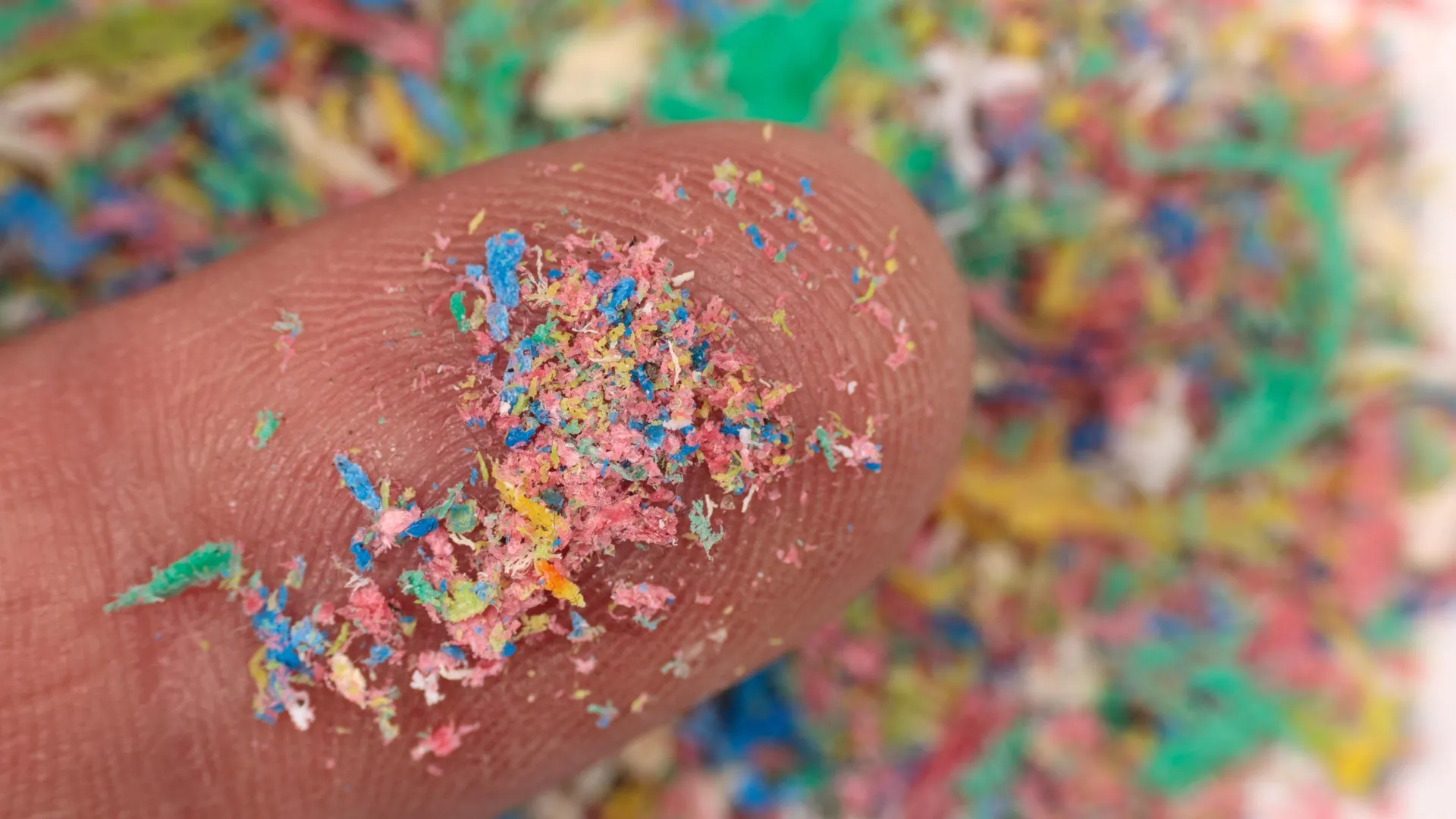
In an era defined by the ubiquity of synthetic materials, the human body has become an accidental repository for the remnants of our plastic-dependent lifestyle. As plastic debris degrades into microscopic particles, it permeates our food chain, water supply, and ultimately, our internal organs. However, a groundbreaking discovery from the World Institute of Kimchi (WiKim) suggests that the solution to this modern crisis may lie in an ancient culinary tradition.
The World Institute of Kimchi, a premier government-funded research organization under the Ministry of Science and ICT, has unveiled a compelling scientific breakthrough: a specific strain of lactic acid bacterium isolated from traditional Korean kimchi—Leuconostoc mesenteroides CBA3656—possesses the unique ability to bind to nanoplastics in the human gut, facilitating their excretion and preventing their accumulation in vital organs.
The Silent Invasion: Understanding Nanoplastics
To comprehend the significance of this discovery, one must first understand the invisible threat posed by nanoplastics. Defined as plastic particles measuring less than 1 micrometer (one-thousandth of a millimeter), these ultrafine materials are the byproduct of the environmental degradation of larger plastic items. Unlike microplastics, which are often visible to the naked eye, nanoplastics exist on a molecular scale that allows them to bypass traditional biological filters.
Once ingested, their size allows them to cross the intestinal barrier with ease. From the gastrointestinal tract, they can enter the bloodstream and eventually deposit themselves in sensitive organs, including the kidneys, liver, and even the brain. The long-term health implications of this accumulation remain a subject of intense global debate, but current consensus points toward chronic inflammation, oxidative stress, and potential cellular damage. Until now, medical science has offered few, if any, biological strategies to mitigate this internal accumulation.
Chronology of the Discovery
The path to this discovery was not instantaneous; it was the result of a rigorous, multi-year investigative process conducted by the research team at WiKim, led by Drs. Se Hee Lee and Tae Woong Whon.
Phase 1: Screening and Selection
The researchers began by screening a vast library of lactic acid bacteria isolated from kimchi. The goal was to identify strains capable of adsorbing polystyrene nanoplastics (PS-NPs), a common form of plastic pollution. Through iterative testing, the team identified Leuconostoc mesenteroides CBA3656 as a primary candidate.
Phase 2: In Vitro Laboratory Analysis
In controlled laboratory settings, the team compared the efficacy of CBA3656 against a reference strain, Latilactobacillus sakei CBA3608. Under standard, idealized conditions, both strains performed admirably, with CBA3656 achieving an 87% adsorption efficiency compared to the 85% rate of the reference strain.
Phase 3: Simulated Human Intestinal Conditions
The true test occurred when the researchers shifted to simulated human intestinal conditions—environments characterized by fluctuating pH levels, bile salts, and digestive enzymes. This is where the superiority of the kimchi-derived strain became evident. While the reference strain’s efficiency plummeted to a mere 3%, L. mesenteroides CBA3656 maintained a robust 57% adsorption rate. This stability is the key factor that makes the bacterium a viable candidate for human therapeutic application.
Phase 4: Validation via Animal Models
To confirm these findings in a living biological system, the team utilized a germ-free mouse model. Mice were administered the CBA3656 strain and monitored over a specific period. The results were stark: the group receiving the probiotics showed a twofold increase in the concentration of nanoplastics found in their feces compared to the control group. This provided the first concrete evidence that the bacterium acts as a "biological magnet" for nanoplastics, safely shepherding them out of the digestive system before they can be absorbed into the body.
Supporting Data: Why Kimchi Strains Stand Out
The data generated by the WiKim team offers a fascinating look at microbial resilience. The primary challenge in using probiotics to treat internal pollutants is "survivability." Many beneficial bacteria are neutralized by the harsh acidic environment of the stomach or the competitive nature of the intestinal microbiome.
The resilience of L. mesenteroides CBA3656 is attributed to its evolved capacity to thrive in the complex, acidic, and high-saline environment of fermenting kimchi. This environment essentially "pre-conditions" the bacteria to survive the human gut. The comparative drop-off in efficiency between the reference strain and the kimchi strain highlights that not all probiotics are created equal; the specific evolutionary history of kimchi microbes provides a unique functional advantage.
Official Responses and Expert Perspectives
The announcement has sent ripples through the scientific community, particularly among those studying the intersection of nutrition and toxicology.
Dr. Se Hee Lee, the lead researcher of the study, emphasized the broader implications of the work. "Plastic pollution is increasingly recognized not only as an environmental issue but also as a public health concern," Dr. Lee noted. "Our findings suggest that microorganisms derived from traditional fermented foods could represent a new biological approach to address this emerging challenge. We are not just talking about digestion anymore; we are talking about the detoxification of the human body through natural microbial resources."
The World Institute of Kimchi, under the leadership of President Hae Choon Chang, has signaled its intent to pivot toward more applied research. "This study provides scientific evidence that kimchi-derived lactic acid bacteria may interact with environmental micropollutants beyond their traditional role in fermentation," the Institute stated in its press release. The administration is now focused on how to scale these findings—potentially through the development of functional food supplements or specialized probiotic formulations.
Implications: A New Era for Probiotics
The discovery opens several critical avenues for future research and public health policy:
1. Functional Food Development
The most immediate application is the development of "detoxification-focused" probiotics. By incorporating L. mesenteroides CBA3656 into functional foods, health authorities could provide a non-invasive way for the public to mitigate the daily intake of nanoplastics.
2. Environmental Toxicology
This research shifts the burden of plastic management. Rather than solely relying on policy and environmental cleanup—which are slow and costly—the focus can expand to include "bioremediation from within." This provides a temporary safety net for populations living in areas with high levels of water or food contamination.
3. The Future of Fermentation Research
The study validates the "ancestral wisdom" inherent in fermented foods. For centuries, humans have consumed kimchi for its digestive benefits. Now, science is uncovering that these benefits may extend to shielding the body from the industrial byproducts of the 21st century. It suggests that our traditional diets may hold the keys to overcoming modern toxicity.
4. Regulatory Hurdles and Future Studies
Despite the excitement, the team remains cautious. Further clinical trials in humans are required to determine the exact dosage, long-term safety, and efficacy in individuals with diverse dietary habits. Furthermore, researchers are looking to see if the binding mechanism is specific to polystyrene or if it can also target other common polymers like polyethylene or polypropylene.
Conclusion: The Path Forward
The work of the World Institute of Kimchi serves as a poignant reminder that the answers to our most pressing modern dilemmas are often found in the most unexpected places. As we continue to navigate the challenges of plastic pollution, the modest kimchi bacterium offers a beacon of hope.
The team at WiKim has committed to expanding the scientific value of kimchi microbial resources. Their next steps involve investigating the molecular mechanisms behind the binding process to determine if the effect can be enhanced or synthesized. As global concern over the long-term health effects of nanoplastics reaches a fever pitch, the prospect of a natural, food-based intervention represents a significant leap forward in preventative medicine.
By leveraging the ancient power of fermentation to address the hyper-modern threat of nanoplastics, science is beginning to bridge the gap between traditional heritage and the future of human health. The message is clear: while the problem of plastic is man-made, the potential for a solution may have been sitting in our refrigerators all along.