Introduction: The New Horizon in Robotic Surgery
In the rapidly evolving landscape of medical technology, Intuitive Surgical—the titan of the robotic-assisted surgery industry—is setting its sights on one of the most complex and high-stakes arenas in medicine: cardiac surgery. As cardiovascular diseases remain the leading cause of mortality globally, according to the World Health Organization (WHO), the clinical and economic incentives for innovation in this space are unparalleled.
Intuitive’s strategic pivot comes at a pivotal juncture. While the company has long dominated the fields of urology and gynecology, its recent efforts to solidify a foothold in cardiac care signal a maturation of its flagship da Vinci ecosystem. By leveraging its most advanced hardware, the da Vinci 5, and pairing it with a targeted European and U.S. rollout, the company is aiming to redefine how heart surgery is performed.
Main Facts: The Da Vinci 5 and the Cardiac Mandate
The core of Intuitive’s strategy rests on the capabilities of the da Vinci 5 system, which has been granted FDA clearance for nine distinct cardiac procedures. These include critical interventions such as mitral and tricuspid valve repair, mitral valve replacement, and left atrial appendage closure.
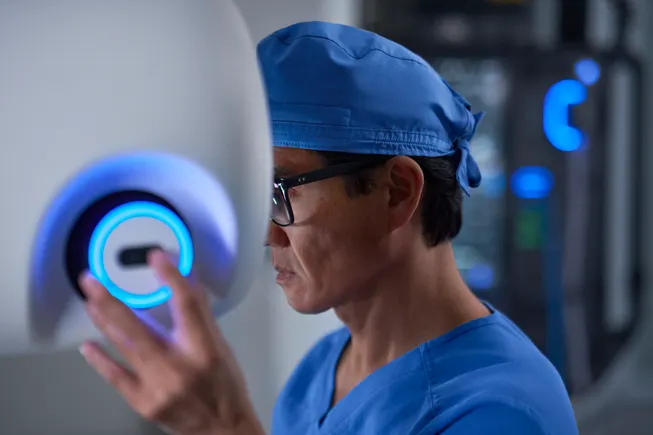
The technological leap represented by the da Vinci 5 is significant. Traditionally, complex heart surgeries required a sternotomy—the traumatic process of cracking the breastbone to access the heart. The da Vinci 5, by contrast, utilizes high-definition visualization and enhanced robotic dexterity to allow surgeons to operate through micro-incisions. This transition from "open" to "minimally invasive" surgery promises to reduce patient trauma, decrease recovery times, and lower the risk of post-operative complications.
However, hardware is only half the equation. Intuitive is simultaneously investing in specialized instrumentation and a robust support infrastructure. Dirk Barten, Intuitive’s commercial president for Europe, has emphasized that the company’s mission is to foster an environment where robotic-assisted cardiac surgery is not just possible, but reproducible and scalable across clinical centers.
Chronology: A Trajectory of Expansion
The path to this cardiac expansion has been a calculated, multi-year endeavor:
- Early Development: Intuitive spent years refining its robotic platforms to handle the delicate, dynamic environment of the thoracic cavity, where surgeons must account for the continuous movement of the heart and lungs.
- Early 2024 (FDA Milestone): Intuitive secured FDA clearance for the da Vinci 5 to be used in a suite of cardiac indications. This clearance acted as the regulatory "green light" needed to begin formalizing training and clinical implementation protocols in the United States.
- Q2 2024 (Earnings Volatility): During the second-quarter earnings call, CFO Jamie Samath acknowledged an unexpected slowdown in U.S. procedure growth. This softness, attributed in part to the expiration of certain ACA subsidies and shifting healthcare utilization patterns, underscored the urgency of diversifying Intuitive’s procedural volume into high-demand areas like cardiac care.
- Mid-2024 to Present (European Expansion): Intuitive announced its commitment to re-establishing robotic-assisted minimally invasive cardiac surgery in Europe. The company is currently moving from the phase of regulatory approval to a phase of clinical evidence generation, partnering with select "centers of excellence" to standardize surgical techniques.
Supporting Data: Why Cardiac Surgery?
The shift toward cardiac surgery is backed by compelling data regarding both clinical need and market scale.
The Global Burden of Cardiovascular Disease
The WHO identifies cardiovascular diseases (CVDs) as the world’s number one killer, claiming an estimated 17.9 million lives each year. As populations age, the demand for valve repairs and replacements is projected to surge. Traditional open-heart surgery, while effective, carries significant morbidity risks, particularly in elderly or frail patients. Minimally invasive approaches represent a "holy grail" for surgeons looking to improve outcomes for these high-risk populations.
The Economic Case for Intuitive
For Intuitive, the economic logic is two-fold:
- High-Volume Potential: Cardiac surgery represents a massive, underserved market that is not yet fully penetrated by robotic systems.
- Addressing Procedure Softness: The recent "softness" in U.S. procedure growth—a point of concern for investors—has highlighted the company’s reliance on its existing procedural base. By successfully integrating cardiac procedures into the da Vinci portfolio, Intuitive effectively expands its Total Addressable Market (TAM), mitigating the risks associated with fluctuations in other surgical specialties.
Official Responses and Strategic Vision
Intuitive’s leadership has been vocal about the importance of this initiative. During the second-quarter earnings call, CFO Jamie Samath explicitly categorized cardiac procedures as among the "most anticipated long-term opportunities" for the firm. This is a clear signal to shareholders that while the near-term environment may face headwinds, the company is playing a long game.
Dirk Barten’s comments regarding the European market further clarify the company’s approach to implementation. "This clearance represents our firm commitment to bring back robotic-assisted minimally invasive cardiac procedures in Europe," Barten stated. He emphasized that Intuitive is not simply selling hardware; they are building an ecosystem. By partnering with a limited number of centers to generate clinical evidence, they are prioritizing quality and reproducibility over rapid, reckless expansion. This "evidence-first" approach is designed to satisfy the rigorous standards of European healthcare systems and secure long-term buy-in from skeptical cardiothoracic surgeons.
Implications: The Future of the Operating Room
Clinical Implications
The shift toward robotic-assisted cardiac surgery will likely change the surgeon’s relationship with the patient. Surgeons will spend less time dealing with the complications of open-chest incisions (such as infections or slow bone healing) and more time focusing on the precision of the cardiac repair itself. If the da Vinci 5 can demonstrate consistently better outcomes than traditional methods, it could establish a new standard of care, potentially making open sternotomy obsolete for many common valve procedures.
Competitive Implications
Intuitive is not the only player in the robotic surgery space, but its sheer scale and installed base give it a significant "moat." Competitors are watching closely. If Intuitive succeeds in cardiac surgery, it will likely trigger a rush of innovation from other medical device firms attempting to bridge the gap between general surgery and cardiac-specific robotics. This competition will likely benefit hospitals and patients, as it will drive down costs and accelerate the pace of technological refinement.
Market and Investor Implications
For investors, the cardiac initiative is a critical litmus test. Can Intuitive successfully translate its dominance in abdominal and pelvic surgery to the more volatile and anatomy-specific world of cardiology? The company’s focus on "clinical evidence generation" suggests that they are aware of the potential for resistance. The success of this initiative will be measured not just by the number of da Vinci 5 systems sold, but by the number of surgeons who move from traditional techniques to robotic-assisted workflows.
Conclusion: A High-Stakes Transformation
Intuitive Surgical stands at a crossroads. The company has successfully navigated the transition from a niche robotic firm to a global healthcare essential. However, the move into cardiac surgery represents a move into the "big leagues" of high-acuity medicine.
By combining the advanced capabilities of the da Vinci 5 with a strategic, evidence-based rollout in the U.S. and Europe, Intuitive is positioning itself to lead the next generation of cardiovascular care. While challenges remain—including the need to overcome institutional inertia in surgical departments and the necessity of navigating complex regulatory landscapes—the company’s commitment is clear. As we look toward the next decade of medical advancement, the integration of robotics into the human heart may well be the most transformative chapter in Intuitive Surgical’s storied history.
For now, the medical community will be watching the "centers of excellence" in Europe and the U.S. closely, waiting to see if the promise of robotic-assisted cardiac surgery can truly deliver on its potential to improve patient lives while stabilizing Intuitive’s long-term growth trajectory.