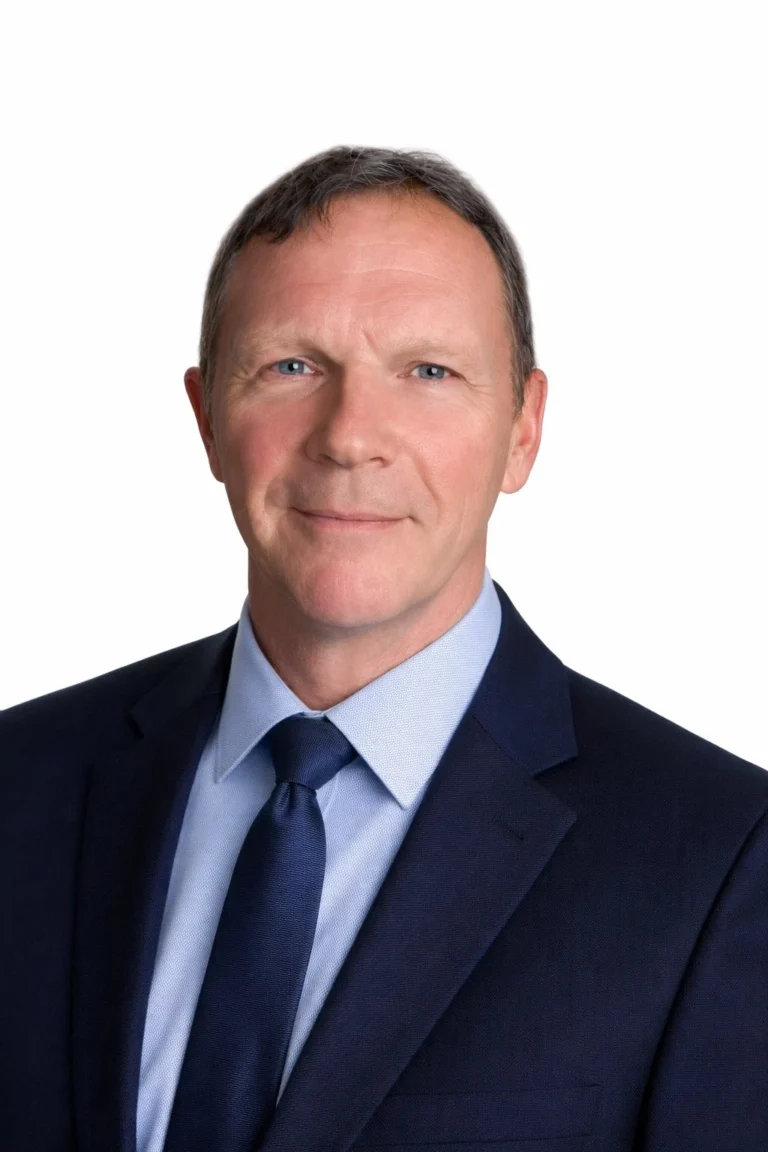









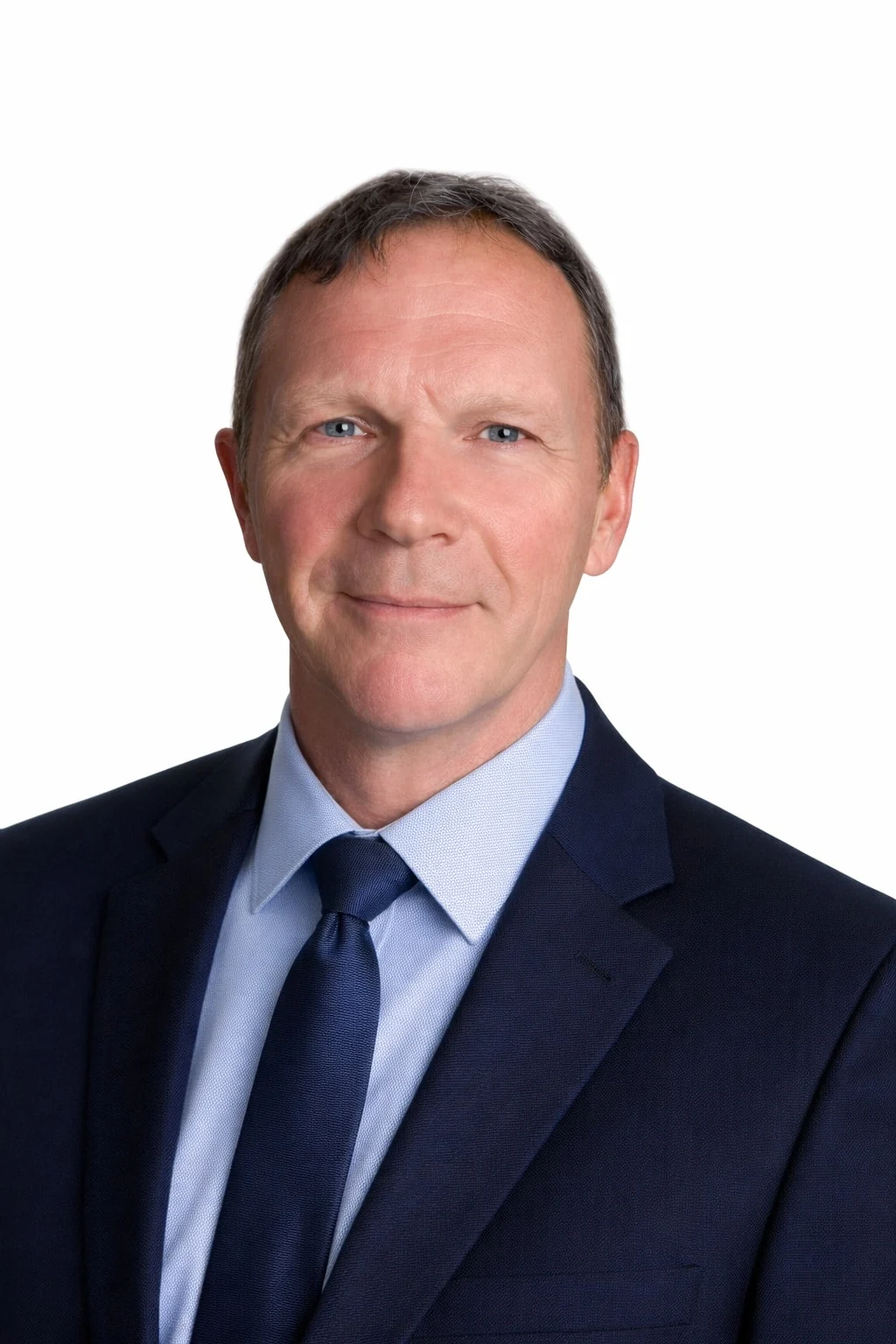
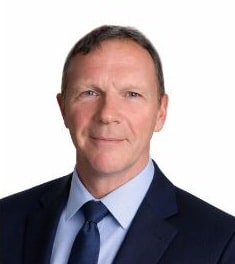
At the heart of every mission-driven organization lies a tapestry of dedicated professionals whose individual histories and motivations fuel collective progress. For the Alliance for Aging Research, that mission is clear: to improve the universal human experience of aging and health through science-driven policy and public advocacy. This month, we turn our spotlight to Scott Frey, the Senior Vice President of Public Policy and Government Relations, whose career has been defined by a lifelong commitment to the very populations the Alliance serves.
Main Facts: The Architect of Policy
Scott Frey serves as a cornerstone of the Alliance for Aging Research, acting as the primary bridge between the organization’s scientific imperatives and the halls of federal power. His role requires a sophisticated understanding of both the legislative landscape in Congress and the regulatory intricacies of the Federal Executive Branch.
Frey’s work is not merely bureaucratic; it is foundational. By engaging with key stakeholders—including policymakers, health advocacy groups, and research institutions—he ensures that the Alliance’s evidence-based agenda is translated into actionable policy. Whether it is advocating for increased funding for the National Institutes of Health (NIH), championing geriatric education, or defending the integrity of scientific research against political volatility, Frey’s influence is felt across the spectrum of federal health policy.
A Career Chronology: From Pennsylvania to the Potomac
To understand Scott Frey’s dedication to aging advocacy, one must look back to his roots. Growing up in central and western Pennsylvania, Frey witnessed a period of profound socioeconomic transformation in the late 20th century. During his formative years, the region saw a rapid decline in the manufacturing sector—a shift that fundamentally altered the landscape of retirement security and quality of life for the families he grew up alongside.
"It was a time when good-paying manufacturing jobs were rapidly disappearing across the towns and cities I knew," Frey reflects. "With them went a declining quality of life and diminished retirement security for so many."
This early exposure to the vulnerability of the aging population acted as a catalyst for his career. In 1987, following the completion of his graduate studies, Frey moved to Washington, D.C., with a clear intention: to build a career in federal public policy that could address these systemic inequities. His trajectory through the corridors of Capitol Hill and various government agencies has been marked by a consistent focus on social justice, healthcare equity, and the empowerment of older Americans.
Supporting Data: The Power of Advocacy
The Alliance for Aging Research operates in an environment where the "silver tsunami"—the demographic shift toward an older population—necessitates robust, forward-thinking policy. Data consistently shows that as the global population ages, the burden of chronic diseases such as Alzheimer’s, cardiovascular disease, and cancer increases, placing unprecedented strain on healthcare systems.
Frey’s work is essential because it bridges the gap between laboratory breakthroughs and the patient’s bedside. His legislative efforts have supported:
- Expansion of Geriatric Care: Pushing for increased federal appropriations to train the next generation of geriatricians, addressing the current workforce shortage.
- Scientific Integrity: Advocating for public trust in science during an era of increased disinformation, ensuring that medical breakthroughs are based on rigorous, peer-reviewed data.
- Health Equity: Building on his early career successes, which included historic campaigns to address inequities in women’s health and the expansion of breast cancer research and early detection programs.
Official Perspectives: The Philosophy of Public Service
When asked about his most significant professional achievements, Frey resists the urge to single out one project, comparing it instead to choosing a favorite child. However, he emphasizes the importance of the current climate. "It is rewarding and exciting to share a part in the fight to ensure science-driven public policy," he says. "We are operating at a time when these imperatives are under serious attack—both outside and within the federal government."
Frey’s approach is deeply personal. He speaks passionately about the patients and families he has befriended over the decades—individuals who, despite their own health battles, chose to become advocates for systemic change. These personal stories, he notes, serve as his "North Star," keeping him focused on the human element behind the legislation.
The Grandmother’s Promise
Perhaps the most poignant aspect of Frey’s life is the origin of his career. Upon his graduation, his sole surviving grandmother offered him a simple, profound charge: "Go down there to Washington and fight for us older folks."
This request was more than a passing comment; it was a mandate that has dictated his professional path for nearly four decades. It is a promise he has kept, ensuring that every policy he crafts and every negotiation he leads is infused with the spirit of that final, sacred request.
Implications: The Future of Healthy Aging
As we look toward the future, the implications of Frey’s work are profound. We are currently living through an era of unprecedented medical advancement, yet these developments are only as effective as the policies that allow them to reach the public.
Frey remains optimistic, though he is clear-eyed about the challenges ahead. He believes that the concept of "healthy aging" is not a static state but a continuous process of growth and adaptation. "We sit on the cusp of so many promising and long-awaited new developments in treatments and access to care," he observes. "Much of the work I began so many years ago is coming to fruition, yet it’s never finished, and every success brings new challenges."
He views the act of embracing new challenges as the ultimate definition of healthy aging, both for the individual and for the policy infrastructure of the nation.
Cultural Foundations and Intellectual Curiosity
Beyond his professional life, Frey’s intellectual life is as rich as his public policy career. When he is not navigating the complexities of Capitol Hill, he is an avid reader, drawing inspiration from the satirical genius of Joseph Heller’s Catch-22 and the philosophical depth of Kurt Vonnegut and William Shakespeare. His interest in literature extends to his role as a mentor and family member, where he champions the whimsical, enduring works of A.A. Milne and Maurice Sendak.
This breadth of interest reflects the core of his personality: a man who understands the absurdity of bureaucratic systems but maintains a deep, unyielding commitment to the well-being of others.
Conclusion: A Legacy in Progress
Scott Frey’s tenure at the Alliance for Aging Research is a testament to the idea that one person’s dedication can influence the lives of millions. By turning a personal promise to his grandmother into a professional lifetime of advocacy, he has helped shape the landscape of American health policy.
As the Alliance continues its work to improve the universal human experience of aging, it does so with the steady hand of leaders like Frey—individuals who understand that while science provides the tools for progress, it is policy and persistence that ensure those tools reach the people who need them most. His journey serves as a powerful reminder that in the fight for a healthier, more equitable future, the most important work is the kind that continues, day after day, in honor of those who came before us.