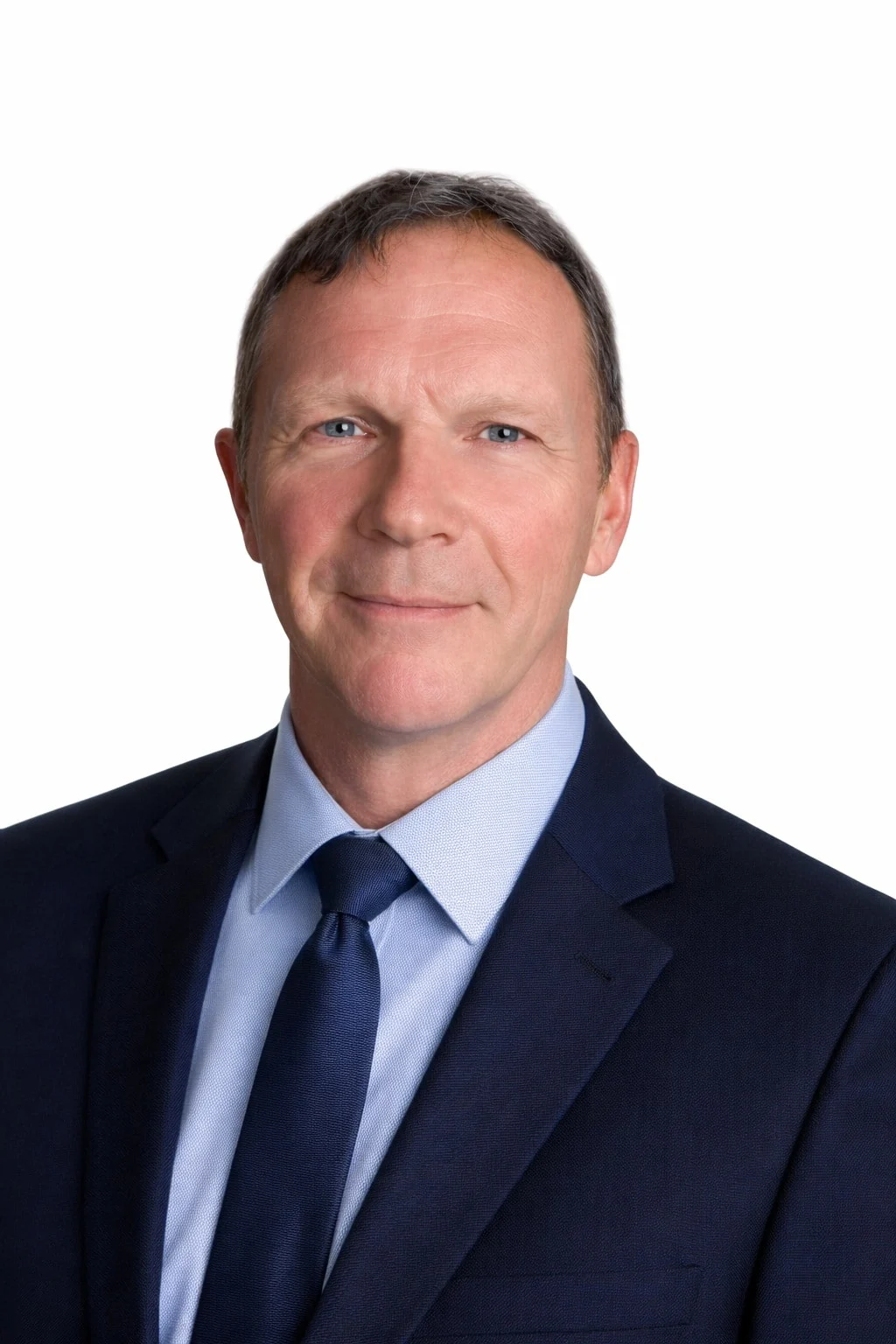
At the heart of the Alliance for Aging Research lies a mission that transcends mere policy: the commitment to improve the universal human experience of aging. While the organization is widely recognized for its scientific advocacy and educational initiatives, its true strength resides in the dedicated professionals who translate complex legislative goals into tangible health outcomes. This month, we turn our spotlight to Scott Frey, the Senior Vice President of Public Policy and Government Relations, a veteran strategist whose career is defined by a lifelong promise to advocate for the dignity and security of older adults.
Main Facts: The Architect of Advocacy
Scott Frey serves as the Senior Vice President of Public Policy and Government Relations at the Alliance for Aging Research. In this pivotal leadership role, Frey acts as the bridge between the scientific community and the halls of power in Washington, D.C. His primary responsibility is to engage with stakeholders, members of Congress, and the Federal Executive Branch to advance policies that support healthy aging, medical innovation, and robust public funding for geriatric research.
Frey’s work is not merely administrative; it is an exercise in high-stakes diplomacy. As the policy landscape becomes increasingly polarized, Frey navigates the complexities of federal bureaucracy to ensure that science-driven initiatives remain at the forefront of the national agenda. His leadership is essential in maintaining the Alliance’s reputation as a trusted, non-partisan voice in the advocacy space.
Chronology: A Career Forged in Service
To understand the trajectory of Scott Frey’s career, one must look back to his roots in Pennsylvania. Growing up in the central and western parts of the state, Frey witnessed firsthand the erosion of industrial security in the late 20th century.
The Turning Point: 1987
In 1987, following the completion of his graduate studies, Frey moved to Washington, D.C. It was a transformative period for the American economy. He recalls a time when the manufacturing sector—the bedrock of his home communities—was undergoing a seismic shift. The disappearance of stable, well-paying jobs created a vacuum that led to a decline in local quality of life and, crucially, a systemic threat to retirement security.
This environment acted as the crucible for his professional identity. Seeing the vulnerability of the older generation during his formative years instilled in him a profound sense of urgency regarding public service. This was not a career choice born of convenience; it was a response to the economic and social fractures he witnessed in his own backyard.
A Promise Kept
A defining, yet little-known, moment in Frey’s life occurred upon his graduation. His sole surviving grandmother gave him a directive that would shape the next four decades: "Go down there to Washington and fight for us older folks." For Frey, this was more than a grandmotherly suggestion; it was a solemn charge. His tenure at the Alliance, which began one year and eight months ago, serves as the modern chapter of a promise he made to his family decades ago.
Supporting Data: The Impact of Policy Advocacy
The work performed by the Alliance for Aging Research, and spearheaded by leaders like Frey, is grounded in the reality that aging is not a static condition, but a dynamic biological and social process.
The Landscape of Aging
The demographic shift currently underway in the United States is unprecedented. By 2030, all baby boomers will be age 65 or older. This demographic "silver tsunami" places immense pressure on existing healthcare infrastructure, Social Security, and Medicare. Frey’s advocacy work focuses on the following pillars:
- Scientific Integrity: Defending the role of peer-reviewed science in federal decision-making.
- Geriatric Education: Increasing funding for training the next generation of healthcare professionals specialized in the needs of the elderly.
- Medical Innovation: Ensuring that regulatory pathways remain clear for new treatments for chronic conditions such as Alzheimer’s, heart disease, and mobility impairments.
The Evolution of Advocacy
Frey’s background includes extensive work on Capitol Hill, where he played a role in the historic push to address inequities in women’s health research. His efforts helped fuel the momentum behind expanded breast cancer detection and clinical research funding. This experience is critical to his current work, as he draws on the lessons learned from those legislative battles to navigate the current, equally complex, challenges facing the aging population.

Official Responses: The Philosophy of Public Policy
When asked about his favorite project at the Alliance, Frey’s response reflects the nuanced perspective of a veteran policymaker. He avoids naming a single "favorite," noting that the nature of his work is systemic and interconnected.
"It is rewarding and exciting to play a part in the fight to ensure science-driven public policy," Frey states. He emphasizes that the greatest challenge of the current era is the defense of public trust in science. "These imperatives are under serious attack—both outside and within the federal government," he notes, highlighting the necessity of his role in protecting the integrity of the research pipeline.
On Personal Connection and Inspiration
Frey’s professional drive is matched by a deep personal empathy. He acknowledges that the health issues the Alliance tackles—ranging from chronic disease management to mental health in the elderly—are deeply personal, touching his own family and close friends.
"I have had the honor to know and befriend so many patients and families who chose to channel their personal health care battles into a fight for positive change for others," Frey says. He views these individuals not just as beneficiaries of his policy work, but as the true catalysts for change. Their resilience serves as his primary source of inspiration when navigating the often-tedious world of federal policy.
Implications: The Future of Healthy Aging
As we look toward the future, the implications of Frey’s work are clear: the promise of medical science can only be realized if it is matched by enlightened public policy.
Embracing the "Cusp of Development"
Frey describes our current moment as an "exciting time in the history of scientific advancement." He believes we are on the verge of breakthrough treatments that could fundamentally alter the experience of aging. However, he warns that "the work is never finished."
For Frey, healthy aging is not a state of stagnation; it is a process of adaptation. He applies this philosophy to his own life and work, noting that "embracing new challenges is critical to healthy aging." He refuses to rest on the laurels of his past legislative successes, recognizing that every scientific advancement brings with it new regulatory and accessibility hurdles.
A Legacy of Literature and Service
Outside of the office, Frey maintains a broad intellectual curiosity. His love for the satirical wit of Joseph Heller’s Catch-22 and the existential musings of Kurt Vonnegut suggests a man who is comfortable with the inherent contradictions of government and life. His fondness for the works of A.A. Milne and Maurice Sendak speaks to a gentler, perhaps more humanistic, side of his personality—a reminder that despite the gravity of his work in Washington, his ultimate goal is to foster a world that is safer and kinder for the next generation.
Conclusion
Scott Frey’s presence at the Alliance for Aging Research is a testament to the power of a career dedicated to a singular purpose. By combining the hard-nosed experience of a D.C. veteran with the personal empathy of a grandson who never forgot his grandmother’s request, he is helping to shape a future where aging is viewed not as a burden to be managed, but as a period of life to be lived with dignity, health, and security.
As he continues to push for science-driven policies, the impact of his work will likely be felt for decades to come, ensuring that the promise of innovation is not just a laboratory concept, but a reality for all who are growing older.