









In an era dominated by the "one-size-fits-all" approach of modern allopathic medicine, a quiet revolution is taking place in the wellness sector. Ayurveda, the ancient Indian system of medicine, is gaining renewed traction for its radical commitment to the individual. While conventional medicine often treats symptoms with standardized pharmaceuticals, Ayurveda operates on the foundational principle that no two human beings are identical, and therefore, no two paths to healing can be the same.
This philosophy is not merely a lifestyle trend; it is a sophisticated clinical framework. By treating the patient rather than the disease, Ayurvedic practitioners are shifting the focus from masking pain to uncovering the root cause—or samprapti—of an imbalance.
The Philosophical Foundation: Beyond Symptom Management
At the heart of Ayurveda lies the recognition that imbalances manifest differently depending on an individual’s unique constitution (prakruti) and current state of imbalance (vikruti). Consider pain: in a clinical Ayurvedic setting, a practitioner does not simply offer a generic analgesic. Instead, they categorize the pain as vata, pitta, or kapha in nature.
The depth of this diagnostic nuance is staggering. For instance, while allopathic medicine generally classifies diabetes into two primary types, Ayurvedic texts identify 20 distinct classifications. This disparity highlights the fundamental difference between the two systems: whereas modern medicine excels at acute trauma and emergency intervention, Ayurveda excels at understanding the intricate, shifting patterns of chronic health and constitutional maintenance.
The Importance of Personalized Treatment Protocols
The primary role of an Ayurvedic practitioner is to act as a detective of the human body. By analyzing the samprapti—the progression of a disease process—a practitioner can determine how and where toxins (ama) are accumulating.
The danger of "band-aid" medicine is that it often ignores the underlying systemic environment. Without correcting the root cause, a symptom may disappear temporarily only to resurface elsewhere. A practitioner’s "critical eye" is essential to identifying which specific qualities (such as heat, cold, dryness, or heaviness) are out of balance, allowing for a highly curated treatment protocol that supports the individual’s unique physiological needs.
The Anatomy of Panchakarma: A Three-Stage Detoxification
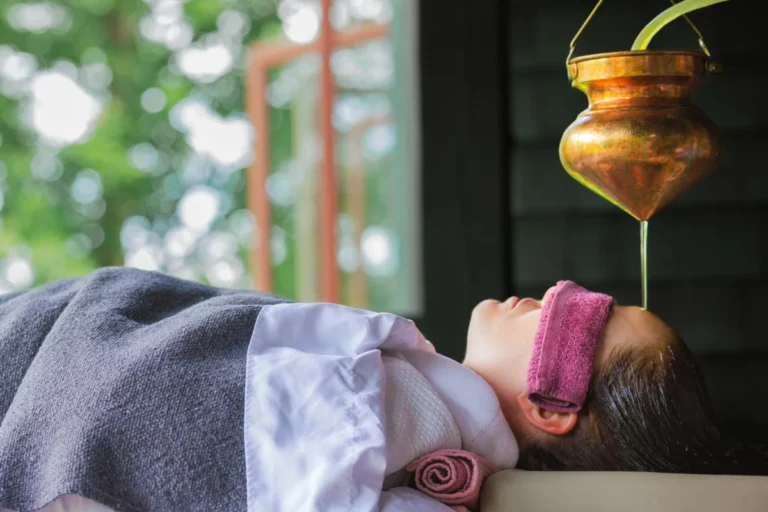
One of the most profound therapeutic tools in the Ayurvedic arsenal is Panchakarma. Far from a trendy juice cleanse, Panchakarma is a rigorous, medically supervised detoxification process designed to pull toxins from deep tissues and flush them from the system. Because it is a powerful intervention, it is never standardized; it is a bespoke process tailored to the client’s agni (digestive strength) and the state of their tissue health.
Stage 1: Purvakarma – The Preparatory Phase
Before any major elimination can occur, the body must be prepared. Purvakarma focuses on two primary goals: kindling the agni and internal oleation.
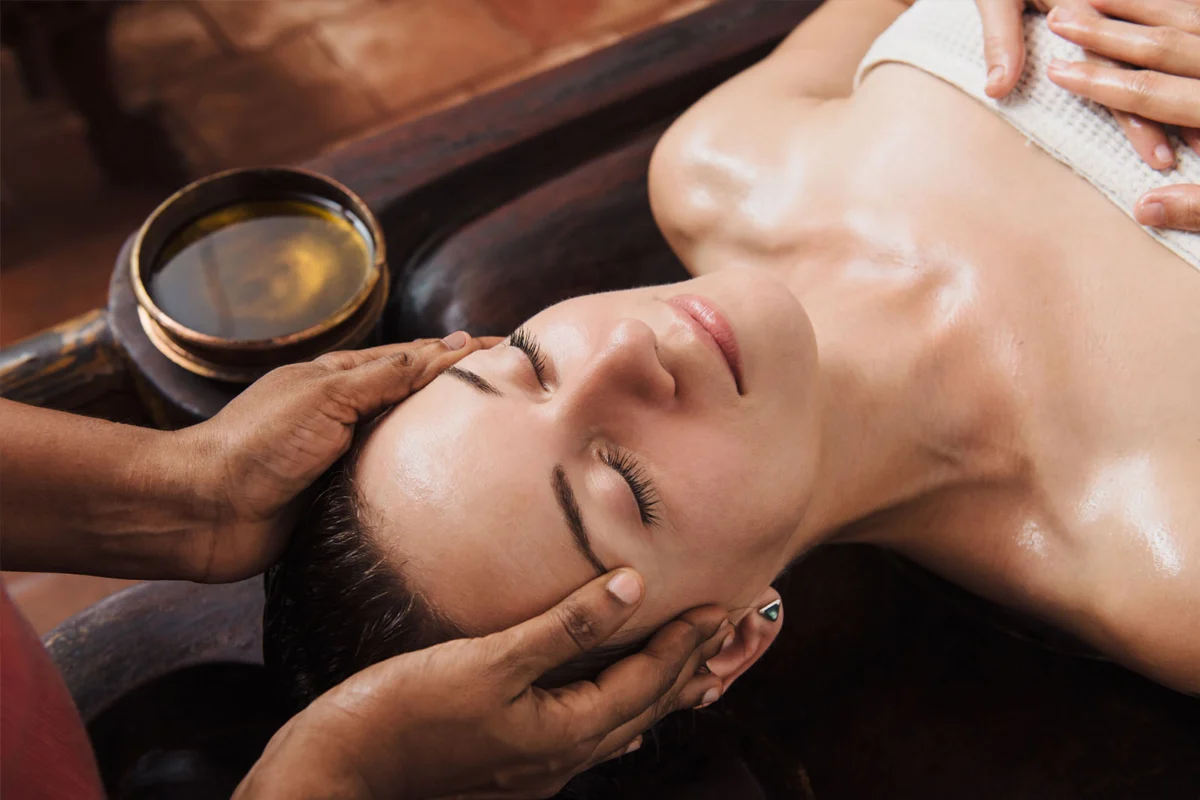
Kindling the digestive fire is essential; if the body’s "furnace" is not burning efficiently, it cannot process toxins. This might involve anything from ginger-based digestive stimulants to specific hydration protocols. Simultaneously, the body undergoes internal oleation—the ingestion of medicated ghees or oils. This acts as a systemic lubricant, softening the hardened toxins embedded in the tissues and coaxing them into the digestive tract for eventual removal.
Stage 2: Pradhanakarma – The Five Primary Actions
The term Panchakarma literally translates to "Five Actions." Once the toxins are mobilized via Purvakarma, these five distinct therapeutic pathways are utilized to eliminate them:
- Virechana: Targeting the small intestine, liver, and gallbladder, this purgative therapy uses specific herbal laxatives to purge excess pitta (heat) from the body.
- Basti: Often considered the most significant of the five, this herbal enema treatment targets the colon—the primary seat of vata. It is not merely an elimination tool; it is a means of nourishing the colon lining with herbalized teas and oils.
- Vamana: A highly specific therapeutic emesis, this process is used to extract excess kapha (phlegm) from the stomach. It is a potent therapy, reserved only for specific imbalances and conducted under strict supervision.
- Nasya: This involves the administration of medicated oils through the nasal passages. It is designed to clear head-space congestion, sharpen cognitive function, and address chronic sinus issues.
- Raktamoksha: Historically involving bloodletting (often via leeches), this practice aims to purify the blood, which is considered the life-giving force of the body. In modern Western contexts, its practice is strictly regulated and rare, often replaced by alternative blood-purifying protocols.
Stage 3: Paschyatkarma – The Rejuvenation Phase
The final stage is perhaps the most overlooked by novices. Detoxification is physically taxing, and the body requires a structured period of restoration. Paschyatkarma focuses on rebuilding the digestive fire, nourishing the tissues, and establishing healthy long-term lifestyle habits. Without this integration phase, the body remains vulnerable to the immediate re-accumulation of toxins.
Clinical Implications and Practitioner Oversight
The complexity of these stages illustrates why the role of the practitioner is non-negotiable. Panchakarma is a high-stakes clinical procedure; if mismanaged, it can exacerbate existing imbalances or cause new ones. A practitioner must be a constant presence, monitoring the client’s pulse, tongue, and daily energy levels to adjust the protocol in real-time.
For those seeking these treatments, the implication is clear: due diligence is required. As Ayurveda gains mainstream popularity, the market is becoming flooded with "wellness centers" that may lack the rigorous, traditional training required to perform deep-tissue detoxification safely. Potential clients are advised to align their wellness values with practitioners who have completed comprehensive, lineage-based education.
The Future of Integrative Health
The growing success of the Ayurvedic model suggests a shift in the global health consciousness. Consumers are increasingly weary of pharmaceutical dependence and are seeking systems that offer long-term vitality rather than short-term suppression.
However, the future of this integration depends on the collaboration between traditional wisdom and professional oversight. As institutions like the Ayurveda.com studies programs and specialized retreats like the SoHum Mountain Healing Resort continue to set standards for education and clinical practice, the path toward a more personalized, holistic healthcare system becomes clearer.
In conclusion, the beauty of Ayurveda lies in its refusal to simplify the human experience. By treating the body as a unique, ever-changing landscape, it offers a level of precision that is arguably the next frontier in medicine. Whether one is dealing with chronic inflammation, digestive distress, or the desire for deep systemic rejuvenation, the path forward is not found in a standardized bottle of medicine, but in the careful, thoughtful alignment of one’s lifestyle with the fundamental laws of nature.
For those ready to embark on this journey, the first step is finding a practitioner who understands that while the principles of Ayurveda are eternal, their application must always be as unique as the individual sitting across from them.