By Editorial Staff | September 25, 2026
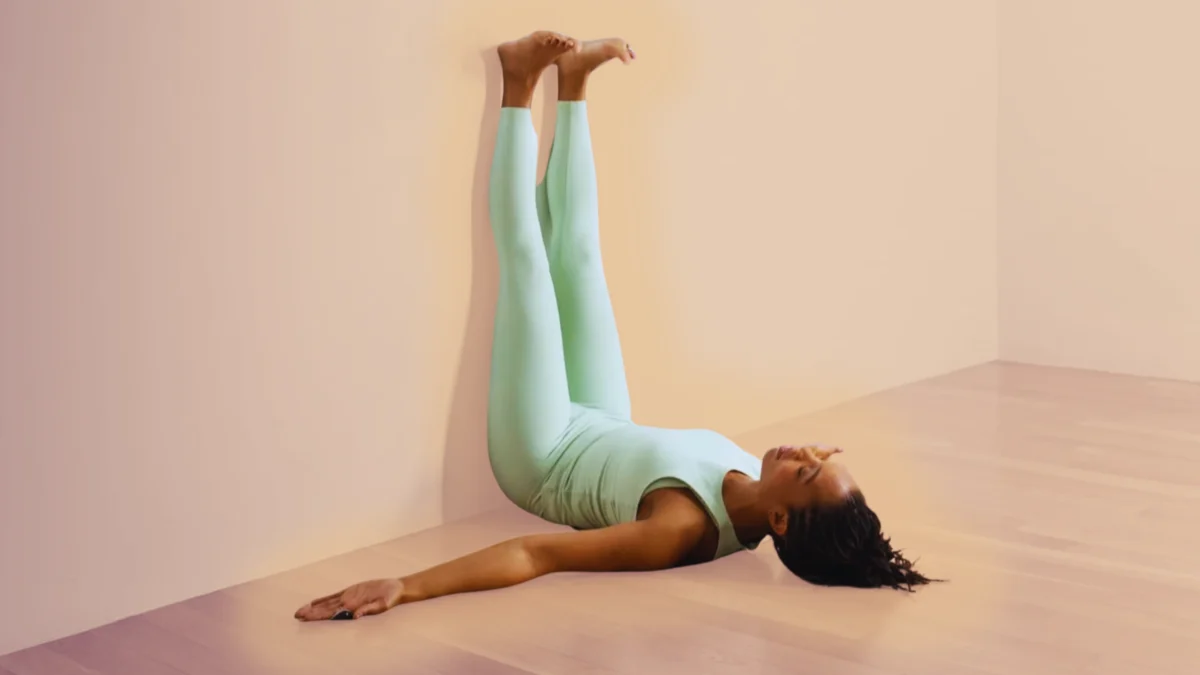
For years, Viparita Karani, or "Legs Up the Wall," has held a sacrosanct position in the yoga world. It is the quintessential restorative pose, touted by wellness experts, fitness influencers, and yoga teachers alike as the ultimate panacea for modern-day stress. It promises deep parasympathetic nervous system engagement, improved circulation, and a sense of grounding that supposedly melts away the anxieties of a hectic day. Yet, for a significant portion of the yoga community, the reality of the pose is far less serene.
For many, Viparita Karani is not a gateway to bliss; it is an exercise in frustration. Among those who have struggled to find common ground with this pose is Laura Harold, a long-time yoga practitioner and editor at Yoga Journal. After a decade of practice and eight years navigating the health and wellness industry, Harold found herself at a crossroads: she was tired of the "relaxation hacks" that simply didn’t work for her anatomy, and Legs Up the Wall sat at the top of her list of personal grievances.
The Anatomy of a Frustration: Why Some Poses Don’t Fit
The common experience of "slippery leg syndrome"—where the legs involuntarily slide into a wide "V" shape against the wall—is often dismissed as a lack of focus or an inability to relax. However, as Harold discovered, this is rarely a failure of the practitioner. It is, more often than not, a failure of the "one-size-fits-all" approach to yoga instruction.
The Myth of Universal Alignment
In the contemporary yoga lexicon, there is an unspoken pressure to conform to the "ideal" expression of a pose. When that expression remains elusive, practitioners often internalize the struggle, feeling as though they lack the flexibility, the mindfulness, or the discipline to perform the move correctly.
The reality, however, is grounded in biomechanics. Every body is built differently. Factors such as pelvic tilt, femur length, hip socket depth, and natural muscle tension all dictate how a person interacts with gravity. When a practitioner is forced to spend their time "coaxing" their limbs to stay in place, the nervous system remains in a state of hyper-vigilance, effectively canceling out the restorative benefits the pose is intended to provide.
Chronology of a Breakthrough
For Harold, the transformation from skeptic to cautious advocate was not an overnight realization, but a process fueled by years of irritation and a single, pivotal conversation.
- 2016–2025: A decade of intermittent attempts. Harold diligently practiced Viparita Karani in studios and at home, experimenting with folded blankets under the hips, varying the distance from the wall, and attempting various micro-adjustments. Each attempt ended in the same result: legs sliding outward, internal rigidity, and growing resentment toward the pose.
- Early September 2026: During a routine editorial meeting at Yoga Journal, the conversation veered toward the frustrations of practice. Harold expressed her candid disdain for Legs Up the Wall.
- Mid-September 2026: Renee Marie Schettler, Editor-in-Chief of Yoga Journal, offered a simple, low-tech solution that challenged the prevailing dogma of the pose: "Have you tried tying a sweatshirt around your legs?"
- Late September 2026: Harold applied the suggestion during a late-night session. By binding her calves with a soft, worn-in sweatshirt, she eliminated the need for muscular engagement. The result was an immediate shift from active struggle to passive release.
Supporting Data: The Role of Prop-Assisted Yoga
While the "sweatshirt hack" may seem like a DIY improvisation, it aligns perfectly with the principles of Restorative Yoga and the use of "props." Props are not meant to be crutches for the weak; they are sophisticated tools used to support the body so that the nervous system can let go of its defensive mechanisms.
The Science of "Supportive Inversion"
When the legs are supported, the practitioner can shift from a state of active maintenance to passive reception.
- Reducing Muscle Tonus: By removing the need to hold the legs together, the muscles can stop firing. This sends a signal to the brain that the environment is safe, which in turn stimulates the Vagus nerve and lowers heart rate.
- Blood Flow and Lymphatic Drainage: The primary goal of Viparita Karani is to assist the return of venous blood and lymph to the heart. When the legs are sliding and the muscles are contracted, this process is inhibited. When the legs are supported (as they were for Harold), the body can truly optimize these physiological shifts.
- Proprioceptive Stability: The sensation of the sweatshirt acts as a gentle, consistent physical boundary. This provides the body with "proprioceptive input," which can actually help the nervous system feel more secure, allowing for deeper mental relaxation.
Official Perspectives: Expert Commentary
The intervention provided by Renee Marie Schettler highlights a crucial shift in modern yoga instruction: the move toward anatomical inclusivity.
"Everyone’s anatomy is different," Schettler noted during the discussion. This sentiment is increasingly echoed by physical therapists and advanced yoga practitioners who advocate for a "functional" approach to yoga. Rather than focusing on the aesthetic of the pose (what it looks like), the emphasis is shifting toward the sensation of the pose (what it does for the body).
By normalizing the fact that legs do not naturally stay together in a static inversion, instructors can prevent students from feeling alienated. When a student knows that their "struggle" is actually a standard biological response to gravity, they are much more likely to seek out modifications—like the sweatshirt hack—rather than abandoning the practice altogether.
Implications: The Broader Lesson for Wellness
The journey of a frustrated editor with a "ratty old sweatshirt" serves as a microcosm for the broader wellness industry. It highlights several critical takeaways for both practitioners and teachers.
1. The Value of Asking for Help
We often operate under the assumption that our personal struggles in wellness are unique failures. Harold’s experience proves that simply venting to a peer or expert can unlock solutions that were previously obscured by frustration. When we stop viewing our difficulties as personal failings, we open the door to creative problem-solving.
2. Low-Cost, Low-Tech Accessibility
In an age of high-end yoga mats, expensive blocks, and subscription-based recovery tools, there is a powerful lesson in the effectiveness of a common household item. The best tools for wellness are often the ones already in our possession. This democratizes the practice of restorative yoga, making it accessible regardless of one’s budget or access to specialty equipment.
3. Redefining Success in Yoga
Perhaps the most significant implication is the redefinition of success. Is success in yoga the ability to hold a perfect, rigid form, or is it the ability to create a state of internal ease? By prioritizing her own comfort over the "correct" performance of the pose, Harold achieved the very goal of Viparita Karani.
Conclusion
The story of the sweatshirt-bound legs is not just about a yoga pose; it is a commentary on the necessity of flexibility—not just in the hamstrings, but in our expectations. By acknowledging that traditional methods don’t always align with our unique physical structures, we give ourselves permission to adapt.
As Harold noted, if a simple, low-tech adjustment can change a long-term nemesis into a viable practice, it begs the question: what other areas of our wellness routines are being hindered by an insistence on "doing it right" rather than "doing it well"?
The next time you find yourself struggling with a pose that everyone else seems to adore, remember that you are not necessarily failing. You might just be waiting for the right modification to make the practice your own. Sometimes, all it takes to find peace is a little bit of support—and perhaps a comfortable, old sweatshirt.