









In the high-stakes world of family caregiving, the metaphor of the "marathon, not a sprint" is frequently cited. Yet, for the millions of individuals balancing professional obligations, personal health, and the demanding, round-the-clock needs of a loved one, this marathon often feels like an uphill climb with no finish line in sight. As September marks National Self-Care Awareness Month, the conversation has shifted from simply acknowledging caregiver burnout to actively dismantling the barriers that prevent relief.
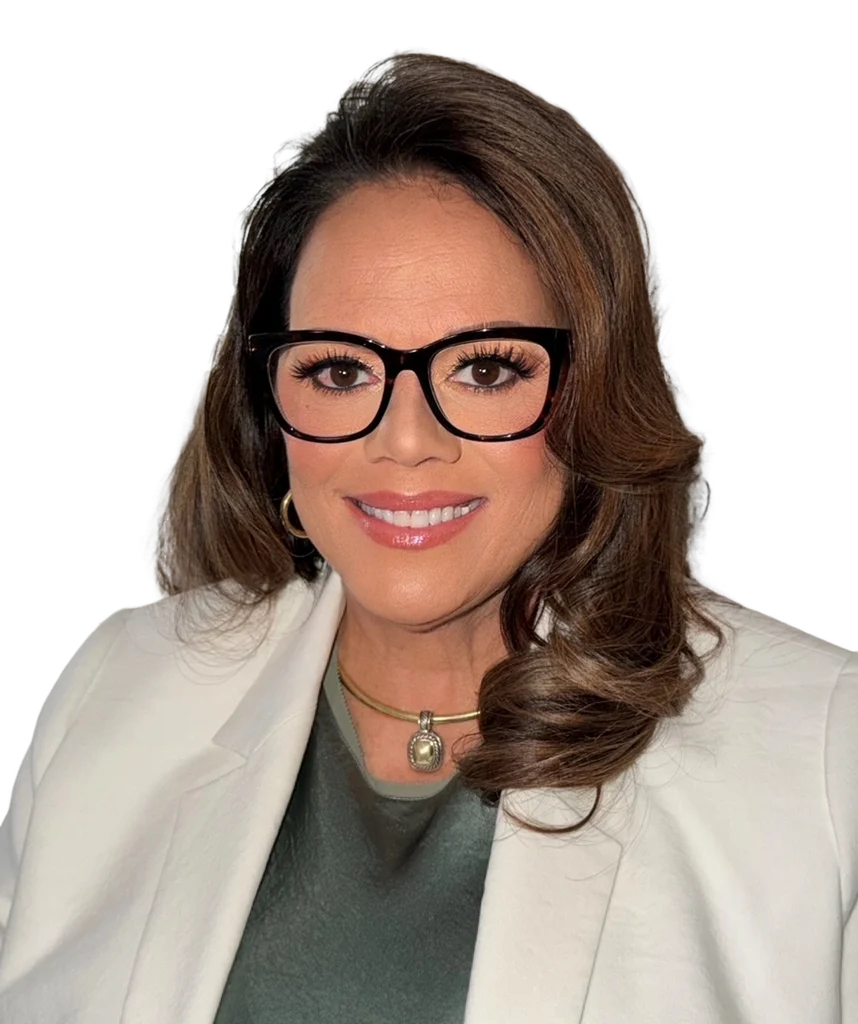
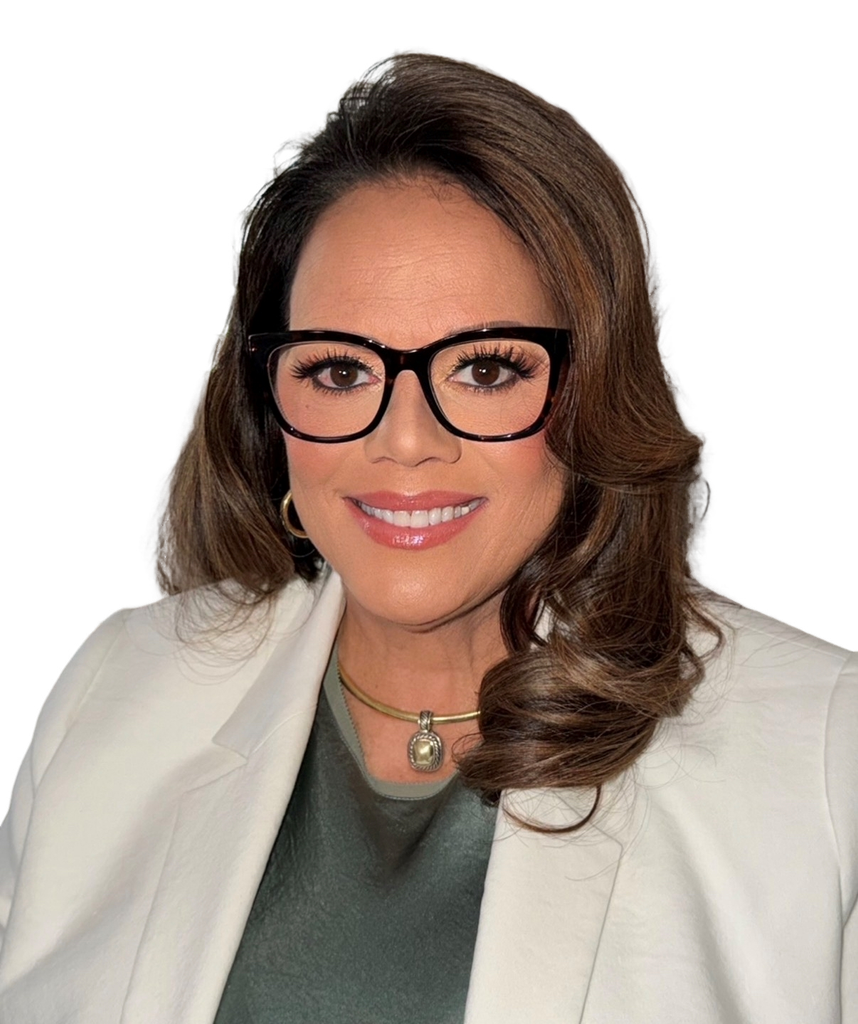
In the latest episode of the Caregiving Club On Air podcast (Season 6, Episode 74), host Sherri Snelling—a nationally recognized corporate gerontologist and author—sat down with Laura Williams, the visionary founder and CEO of Respitely. Together, they explored a transformative approach to respite care that relies not on the exhausted caregiver to initiate the process, but on a "CareGifting" movement driven by the caregiver’s own community.
The Core Mission: Defining Respite in the Modern Era
Respite care is the essential, yet frequently neglected, act of taking a break. It is the physiological and mental pause required to "create calm in the chaos." Without it, the structural integrity of the caregiver’s health—and by extension, the care they provide—inevitably crumbles.
Laura Williams, whose own experience as a working mother and long-distance caregiver for her mother serves as the foundation for her organization, describes Respitely as the missing link in the support ecosystem.
"We often talk about the necessity of breaks, but the burden of coordinating them often falls on the person who is already the most overwhelmed," Williams explained during the interview. "Think of Respitely as the ‘Uber Eats’ or ‘DoorDash’ of the caregiving world. It isn’t something you order for yourself in a moment of crisis; it is a curated, intentional gift from the friends, family, and colleagues who recognize your need for rest before you reach the point of collapse."
Chronology of a Crisis: The Evolution of Caregiver Burnout
The trajectory of a caregiver’s journey typically follows a predictable, albeit taxing, timeline. It often begins with minor, manageable adjustments to one’s schedule, progressing into the "Sandwich Generation" dilemma—where adults simultaneously care for aging parents and their own children—and eventually reaching a stage of chronic physiological stress.
- Phase 1: The Adjustment Period: Caregivers often suppress their own needs, prioritizing the health and safety of their loved ones. During this time, the "self-care" aspect is frequently relegated to the bottom of a daily to-do list.
- Phase 2: The Silent Strain: As responsibilities mount, the caregiver experiences what experts call "compassion fatigue." Social connections may wither, and the mental load of managing medical appointments, medication, and daily living activities becomes all-consuming.
- Phase 3: The Need for Institutional Intervention: By this stage, the caregiver is no longer capable of "self-soothing" their way out of burnout. They require professional, reliable, and secure respite care—a service that is often difficult to navigate, expensive, and logistically complex to secure.
This is where the Respitely model interrupts the cycle. By gamifying the support process through "CareGifting," Williams has created a platform that empowers a network of supporters to fund and coordinate professional relief, effectively removing the financial and organizational barriers that keep caregivers trapped in the cycle of constant duty.
Supporting Data: Why Respite Care is a Public Health Imperative
The necessity of respite care is backed by decades of research. According to data cited by the Caregiving Club and industry experts, caregivers who regularly access respite services demonstrate significantly lower levels of depression, anxiety, and physical illness.
- Retention and Productivity: In the corporate sector, the impact is measurable. Employees who serve as caregivers face higher rates of absenteeism and turnover. Programs that provide access to respite care are proven to improve workplace retention and employee morale.
- The Health-Caregiver Link: Studies have shown that the physical health of caregivers is often worse than that of their non-caregiving peers. Regular breaks are the primary intervention to reduce the incidence of chronic conditions such as hypertension and cardiovascular disease in this demographic.
- Economic Impact: The value of unpaid care provided by family caregivers in the United States alone is estimated in the hundreds of billions of dollars annually. When the caregiver fails, the institutional cost of moving that patient into full-time facility care is astronomical. Respite care is, therefore, one of the most cost-effective investments in our healthcare infrastructure.
Official Perspectives: Expert Insights on Sustainable Caregiving
Sherri Snelling, through her work as a corporate gerontologist, emphasizes that we must move beyond the "one-size-fits-all" model of caregiving. During the podcast episode, the conversation highlighted the role of the "Gen C" (Generation Caregiver) continuum—a concept Snelling has championed to help employers understand that caregiving is a lifespan issue, not a niche concern.
"Respite care is not a luxury; it is a clinical necessity for the longevity of the family caregiving unit," Snelling noted. "When we provide tools like Respitely, or when we utilize the resources provided by the Veteran’s Administration or local Area Agencies on Aging, we are fundamentally changing the outcome of the caregiving experience from one of burnout to one of sustainable compassion."
Implications for the Future: A New Culture of Care
The collaboration between the Caregiving Club and organizations like Respitely signals a broader cultural shift. We are moving away from the outdated notion that caregivers must be martyrs, and toward a model where "community-led care" is the standard.
The Role of Technology
The integration of digital platforms has been pivotal. From CaringBridge, which allows families to coordinate volunteer efforts, to Respitely’s centralized gifting platform, technology is reducing the friction that prevents caregivers from seeking help.

Workplace Transformation
The implications for the American workforce are profound. As the population ages, the "Sandwich Generation" will continue to grow. Employers who adopt caregiver-friendly policies—such as offering stipends for respite care or fostering a culture that encourages the use of mental health days—will find themselves with a more loyal and productive workforce.
Actionable Resources for Caregivers and Allies
For those looking to provide or receive respite care, the following resources represent the gold standard in the industry:

- Respitely: A specialized platform for "CareGifting," allowing friends and family to fund respite care for the caregiver in their life.
- ARCH National Respite Care Network: The premier source for locating local agencies and national respite services.
- Care.com: Offers an enterprise-level group for employers to help employees connect with senior care experts and a vetted marketplace of professional, independent caregivers.
- Hilarity for Charity: A vital resource for dementia caregivers, offering "care grants" that provide free professional respite hours.
- Area Agencies on Aging (UsAging): A local government-supported network that provides free, localized guidance on navigating state-specific respite programs.
- Veteran’s Administration (VA): Provides up to 30 days of free respite care annually for qualifying veteran caregivers.
Conclusion: The Path Forward
As we reflect on National Self-Care Awareness Month, the message from Sherri Snelling and Laura Williams is clear: You cannot pour from an empty cup. The "marathon" of caregiving requires pit stops, refueling, and a team of supporters cheering you on.
Whether you are a caregiver struggling to find your breath, or a friend wondering how you can truly make a difference in a loved one’s life, the answer lies in the proactive pursuit of respite. By utilizing these resources and embracing the "CareGifting" movement, we can ensure that those who care for our most vulnerable members of society are, in turn, cared for themselves.

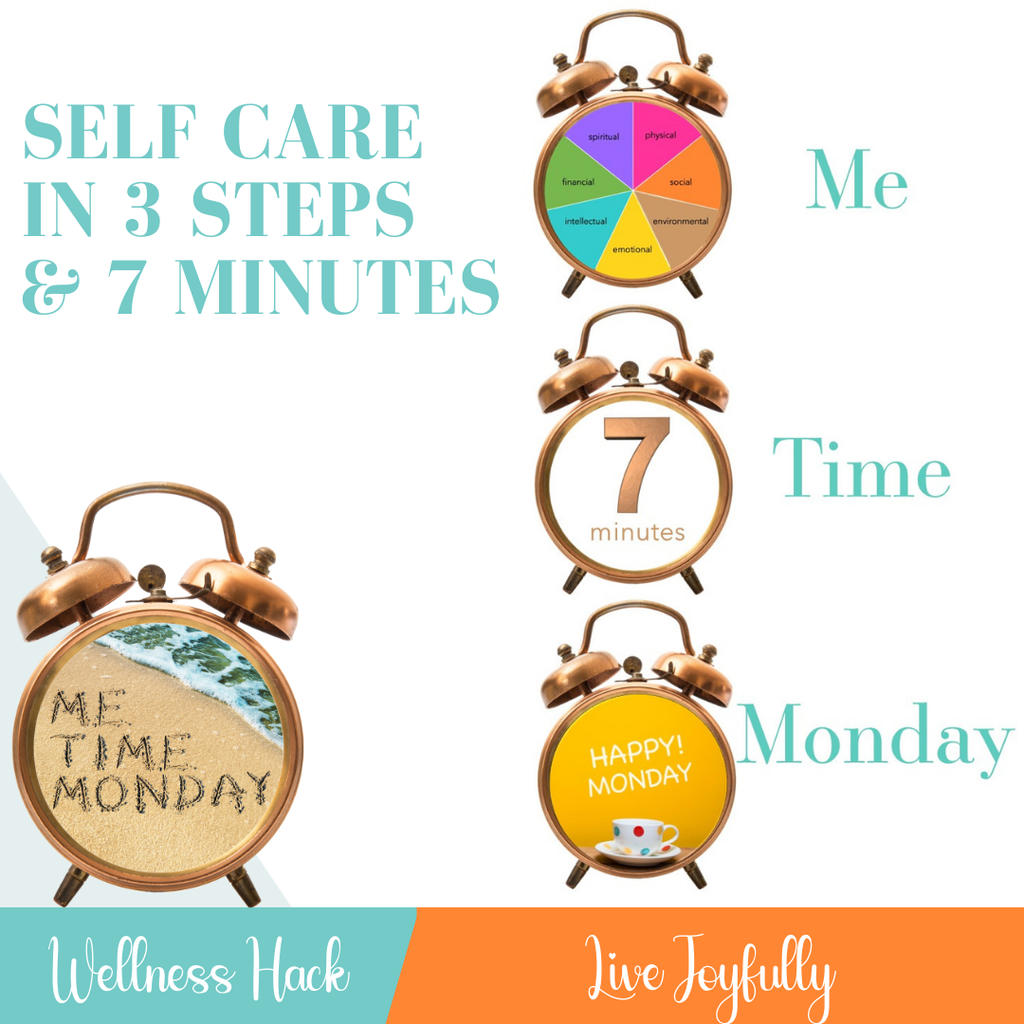
To listen to the full interview with Laura Williams, subscribe to the "Caregiving Club On Air" podcast on Apple Podcasts, Spotify, or YouTube. For more resources on wellness and self-care, visit the Caregiving Club’s official website and explore the "Me Time Monday" video series.