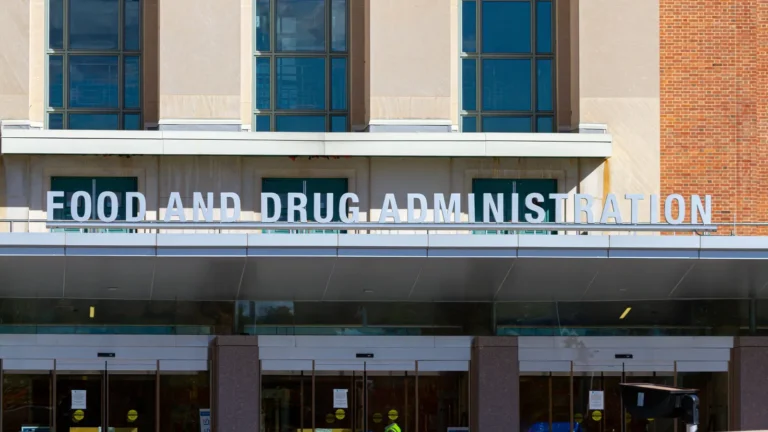











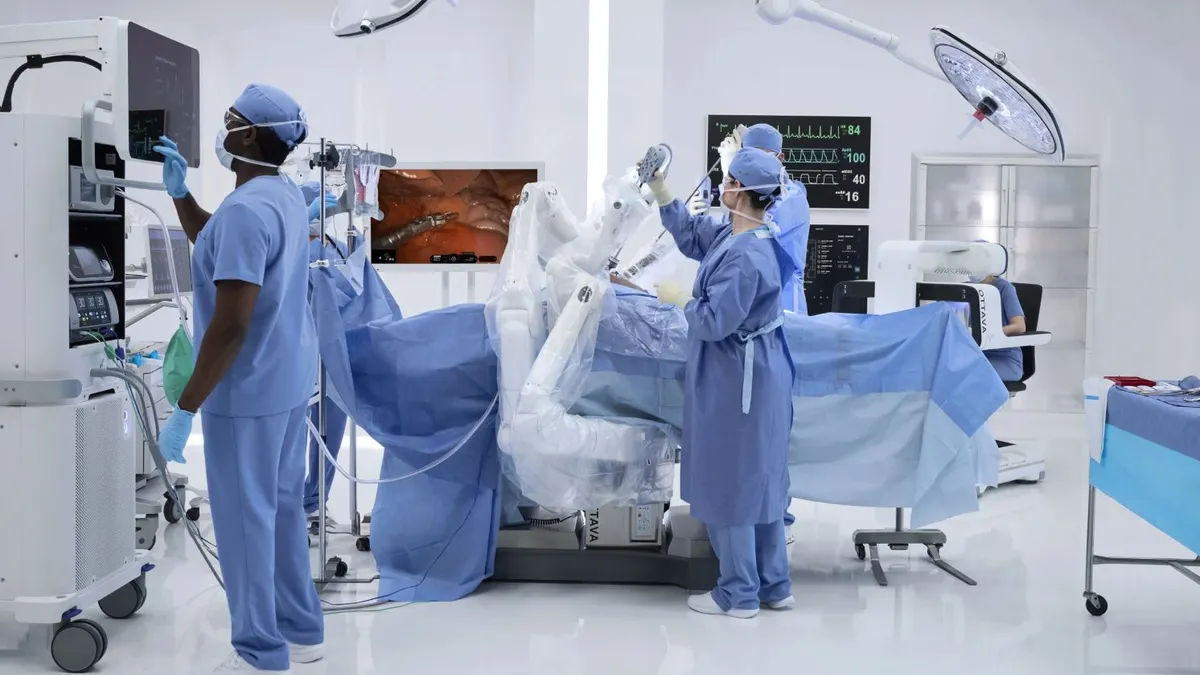
The landscape of modern medicine is undergoing a profound transformation as robotic-assisted surgery evolves from a niche luxury to a standard of care. As surgical systems become increasingly sophisticated—incorporating autonomous features and remote teleoperation capabilities—the regulatory environment governing these devices is struggling to keep pace. In a significant move to provide clarity and foster innovation, the U.S. Food and Drug Administration (FDA) has released new draft guidance intended to streamline the approval process for robotic surgical systems, while simultaneously announcing a two-day public workshop to address the complexities of telesurgery.
This initiative represents a critical junction for the medical technology industry, which has long been dominated by pioneers like Intuitive Surgical but is now witnessing a surge of new entrants, including major players like Johnson & Johnson. By establishing a more transparent regulatory framework, the FDA aims to reduce the ambiguity that has historically burdened developers, potentially accelerating the transition toward a future where distance no longer limits the reach of top-tier surgical expertise.
Main Facts: A New Regulatory Framework for Surgical Robotics
The FDA’s latest draft guidance is designed to address the specific challenges posed by software-controlled, teleoperated surgical systems. These devices—which assist clinicians in performing open, minimally invasive, or endoluminal procedures—are no longer mere mechanical extensions of a surgeon’s hands. They are increasingly integrated with advanced software, machine learning algorithms, and real-time connectivity, all of which require rigorous oversight.
The agency defines these systems broadly as teleoperated, software-controlled platforms equipped with subassemblies that enable complex instrument manipulation. Crucially, the guidance acknowledges that these technologies often include varying degrees of automated functions, a departure from traditional, purely manual robotic assistants. By creating a standardized pathway for evaluating these systems, the FDA is signaling that it intends to support the integration of advanced technology into the operating room without compromising patient safety.
Industry analysts, particularly those at Evercore ISI, have characterized the guidance as a "net positive" for the sector. The previous regulatory landscape was marked by significant ambiguity, particularly regarding how companies should demonstrate the safety and efficacy of software updates and cybersecurity protocols. The new draft provides a clearer roadmap, detailing how firms can establish "substantial equivalence" when compared to predicate devices, thereby reducing the regulatory hurdles for new iterations of existing platforms.
Chronology: The Evolution of Robotic Surgery Regulation
The journey toward this current guidance has been years in the making, tracking alongside the global advancement of robotic surgery.
- The Early 2000s: Robotic surgery enters the mainstream with the FDA clearance of the da Vinci system. For nearly two decades, the regulatory focus remained primarily on hardware reliability and mechanical precision.
- 2015–2020: A surge in competition begins. New players enter the market, challenging the incumbent dominance. The FDA begins to see an influx of diverse, software-heavy robotic platforms, making the old, hardware-centric approval models increasingly obsolete.
- 2021–2023: Global interest in telesurgery—performing procedures from a distance—intensifies. While the U.S. has been cautious, international trials demonstrate the feasibility of remote surgery, prompting the FDA to prioritize the evaluation of teleoperation risks, such as latency and cybersecurity.
- 2024 (Current Year): The FDA publishes its comprehensive draft guidance. This document is intended to harmonize the requirements for various types of robotic systems, covering everything from simple instrument guidance to complex, autonomous-assisted tasks.
- November 24, 2024: The deadline for public comment on the draft guidance. Following this, the FDA is expected to synthesize industry feedback and formalize the new standards.
Supporting Data: The Competitive Landscape and Clinical Burdens
The market for surgical robotics is currently experiencing an explosion of activity. As companies like Johnson & Johnson advance their "Ottava" system and other competitors seek to carve out market share from Intuitive, the sheer volume of 510(k) and de novo submissions has placed a significant burden on the FDA.
The new guidance offers relief through a "pathway for umbrella procedure approval." Historically, companies had to provide extensive clinical evidence for every single procedure a robot performed. Under the new proposed framework, the FDA suggests that approval for a specific category of surgery could be extended to more complex procedures within that same category. Analysts estimate that this will significantly minimize the clinical evidence burden, allowing companies to bring systems to market faster while maintaining rigorous safety standards.
Furthermore, the data suggests that software-driven innovation is now the primary differentiator in the market. Cybersecurity has emerged as a major point of contention in regulatory discussions; as surgical robots connect to hospital networks and the cloud to facilitate remote updates or teleoperation, they become potential vectors for cyberattacks. The FDA’s guidance specifically addresses the need for robust software lifecycle management, ensuring that patches and upgrades do not inadvertently compromise the safety of the robotic system.
Official Responses and Stakeholder Implications
The reception from the medical device industry has been largely optimistic, though guarded. Major manufacturers have long advocated for a predictable, transparent, and consistent regulatory process. By codifying the requirements for substantial equivalence, the FDA is essentially reducing the "regulatory risk premium" that often discourages smaller startups from entering the field.
However, the medical community remains focused on the human element. While the FDA is preparing for the potential of autonomous surgical features, surgeons are emphasizing that the technology must remain a tool for the clinician, not a replacement.
"The role of the surgeon is to maintain situational awareness," noted one industry consultant familiar with the FDA’s approach. "The FDA’s focus on teleoperation is not just about the robot; it is about the entire ecosystem—the latency of the network, the visual fidelity of the feed, and the ability of the surgeon to reclaim manual control instantaneously if a failure occurs."
The upcoming two-day workshop is expected to be a forum for these discussions, bringing together robotics engineers, surgeons, hospital administrators, and patient advocacy groups to define the "red lines" of autonomous surgical intervention.
Implications: The Dawn of the Telesurgery Era
The most profound implication of the FDA’s recent focus is the quiet opening of the door to widespread telesurgery in the United States. While the concept of a surgeon in New York operating on a patient in rural Nebraska is technically feasible, regulatory and liability concerns have kept such practices largely within the realm of research and military applications.

By bringing telesurgery to the forefront of its agenda, the FDA is acknowledging that the future of healthcare may be decentralized. The implications for health equity are significant. If high-end robotic systems can be operated remotely, a patient in a medically underserved area could receive specialized care from a surgeon located thousands of miles away, provided the network infrastructure and the regulatory safeguards are in place.
However, this transition comes with significant challenges.
- Liability: Who is responsible if a remote procedure fails due to a network glitch or a software bug? The legal framework for medical malpractice is currently predicated on the physical presence of the physician.
- Infrastructure: Telesurgery requires ultra-low latency, high-bandwidth connections (typically 5G or dedicated fiber). Ensuring that hospitals—particularly in rural settings—have this capability is a massive logistical hurdle.
- Human Factors: The "feel" of a surgery is critical. Haptic feedback, which allows a surgeon to "sense" tissue resistance through the console, is still in its infancy. As the FDA sets standards for these systems, they will essentially be setting the standard for the next century of surgical precision.
Conclusion
The FDA’s new draft guidance is far more than a routine update to regulatory paperwork. It is a strategic acknowledgment that the operating room is becoming a digital space. By standardizing the approval process, the agency is providing the "green light" for a new wave of innovation that promises to make surgery safer, more accessible, and increasingly remote.
As the industry prepares to submit its comments by the November deadline, the focus will remain on balancing the need for rapid technological advancement with the paramount need for patient safety. The workshop on autonomous and remote capabilities will likely serve as the definitive blueprint for how the United States approaches the integration of robotics into the human body, marking the end of the "early adopter" phase of robotic surgery and the beginning of a truly global, interconnected surgical era.
For manufacturers, the path forward is clearer than it has been in years. For patients, the promise of remote, expert care is moving closer to reality. The next decade will undoubtedly be defined by how effectively these regulators and innovators navigate the intersection of high-speed connectivity, sophisticated software, and the timeless art of surgery.