










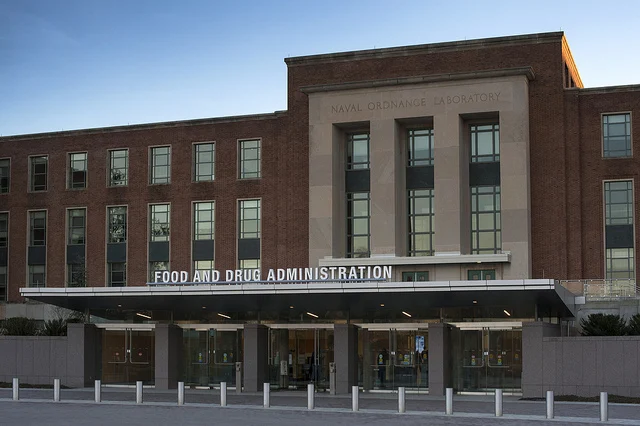
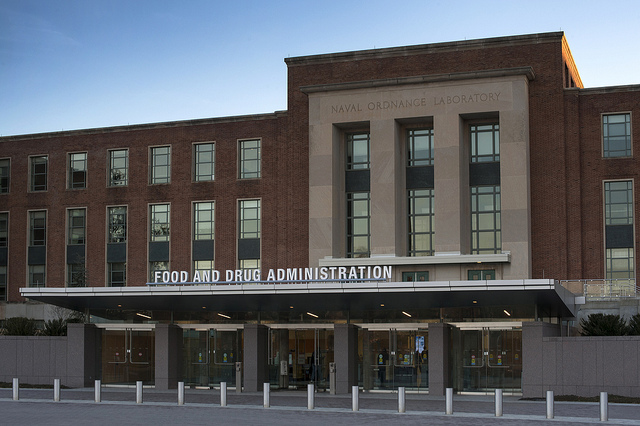
In a sweeping move to modernize its regulatory framework, the U.S. Food and Drug Administration (FDA) has launched a nationwide recruitment initiative aimed at refreshing the membership of its 50 advisory committees. These independent bodies serve as the scientific and ethical backbone of the agency’s decision-making process, providing crucial, non-binding recommendations on everything from experimental oncology drugs to cutting-edge digital health devices.
By actively soliciting nominations from the scientific community and the general public, the FDA is signaling a strategic pivot: it intends to broaden the scope of expertise available to its regulators to keep pace with an era of unprecedented biomedical innovation.
The Core Mandate: Why Advisory Committees Matter
Advisory committees are not mere formalities; they are the crucible in which the FDA tests the viability of new medical breakthroughs. Before the agency issues a formal regulatory decision—such as the approval of a new drug or the clearance of a high-risk medical device—these panels engage in rigorous public debate.
The committees function as an essential "check" on the agency’s internal processes. By bringing together external experts—including physicians, statisticians, researchers, and patient advocates—the FDA gains access to a depth of knowledge that may not be available within its own walls. While the final regulatory authority remains with the FDA, the discussions held during these meetings often determine the tone and trajectory of the agency’s final decision. A positive or negative vote from a panel can influence investor confidence, physician prescribing habits, and, ultimately, the availability of life-saving technologies to the American public.
Chronology of Reform: Adapting to a Changing Landscape
The FDA’s current recruitment push is part of a broader evolution in how the agency interacts with external stakeholders. Historically, the frequency of committee meetings has fluctuated based on the priorities of the administration in power.
For a period, the cadence of these meetings slowed, leading to concerns among industry analysts that the agency was operating in a silo. However, the period following May of this year marked a significant uptick in activity. The return to a more robust schedule of public deliberation has been evident in recent high-profile sessions, most notably the review of Grail’s Galleri blood test.
Last week’s session, which involved the Molecular and Clinical Genetics Devices Panel, served as a prime example of the advisory committee system in action. The committee spent an entire day dissecting the data behind the multi-cancer early detection (MCED) screening test. The deliberation was exhaustive, touching on clinical efficacy, the potential for "over-diagnosis," and the implications for public health screening protocols. Ultimately, the committee’s majority vote in favor of the test provided the FDA with a vital consensus signal that will inform the final regulatory review of this liquid biopsy technology.
Supporting Data: The Expanding Scope of Expertise
The FDA currently oversees 50 distinct technical and scientific advisory committees. These span the gamut of human health:
- Specialized Medical Fields: Including oncology, cardiology, neurology, and orthopedics.
- Emerging Technologies: The recent formation of a digital health advisory committee reflects the agency’s recognition that artificial intelligence and machine learning are fundamentally changing the medical landscape.
- Cross-Disciplinary Needs: The agency is increasingly seeking members who bridge the gap between bench science and real-world clinical application.
The current recruitment cycle is not a one-size-fits-all approach. The agency has issued two distinct notices in the Federal Register: one for scientific and technical experts, and another for consumer representatives. This distinction is vital; while scientists provide the technical scrutiny required for complex drug trials, consumer representatives offer the "patient voice," ensuring that the practical realities of living with a disease—and the risks patients are willing to accept—are part of the regulatory conversation.
The Call for Nominations: A New Call to Action
The FDA has streamlined the process for potential applicants, and for the first time, it is emphasizing that self-nomination is not only permitted but encouraged. The agency is looking for individuals who can:
- Demonstrate Objective Expertise: Candidates must possess a record of achievement in their respective fields.
- Navigate Complexity: The ability to digest massive amounts of clinical data and translate it into a regulatory recommendation is paramount.
- Provide Independent Counsel: Above all, members must be free of conflicts of interest that would compromise their ability to serve the public interest.
Key Deadlines for Applicants
- Consumer Representative Positions: Applications are due by November 15.
- Scientific, Technical, and Professional Voting Positions: Applications are due by November 30.
The FDA intends to accept nominations on a continuing basis to ensure a pipeline of talent, but those interested in filling current and near-term vacancies are urged to meet the November deadlines.
Official Responses and Strategic Implications
The push to modernize these committees comes at a time when the "partnership" between the regulator and the innovator is under intense scrutiny. Acting FDA Commissioner Kyle Diamantas addressed this directly in a recent statement, noting the administration’s commitment to the process.
"These panels provide independent expertise and rigorous scrutiny as the FDA navigates complex and rapidly evolving areas of science," Diamantas stated. "The current administration is deeply committed to strengthening the partnership between the FDA and the nation’s brightest minds."
The Implications for Industry
For pharmaceutical and medical device companies, this recruitment effort is a signal to pay close attention. As the composition of these committees shifts to include more diverse voices—including, potentially, experts in AI ethics, bioinformatics, and patient advocacy—the nature of the questions posed to sponsors during public hearings is likely to change.
Companies seeking approval for "first-of-their-kind" technologies should prepare for a more nuanced interrogation process. The shift suggests that the FDA is moving away from purely procedural reviews toward a more holistic assessment of how new technologies interact with the broader healthcare system.
The Implications for the Public
For the average consumer, the importance of this recruitment cannot be overstated. When a patient takes a new medication or undergoes a novel screening test, they are relying on the assumption that the technology has been vetted by the best minds in the country. By opening its doors to new voices, the FDA is attempting to bolster the legitimacy of its decision-making.
The inclusion of consumer representatives ensures that the "patient perspective"—which is often lost in the data-heavy environment of clinical trials—remains a central pillar of the regulatory process. It ensures that the FDA is not just approving drugs that work, but approving drugs that meet the actual needs of the people who will use them.
Conclusion: Looking Toward the Future
As medicine becomes more personalized and technology-dependent, the role of the FDA’s advisory committees will only grow in importance. The agency’s decision to launch this broad recruitment effort is a proactive step toward ensuring it does not fall behind the pace of innovation.
By diversifying the talent pool and inviting fresh perspectives into the regulatory tent, the FDA is reinforcing its commitment to its core mission: protecting public health through evidence-based, transparent, and rigorous scientific review. Whether this initiative succeeds in fostering a more agile regulatory environment remains to be seen, but for the scientific community, the door is officially open. Those who wish to shape the future of medicine now have a clear path to participate in the oversight that governs it.