








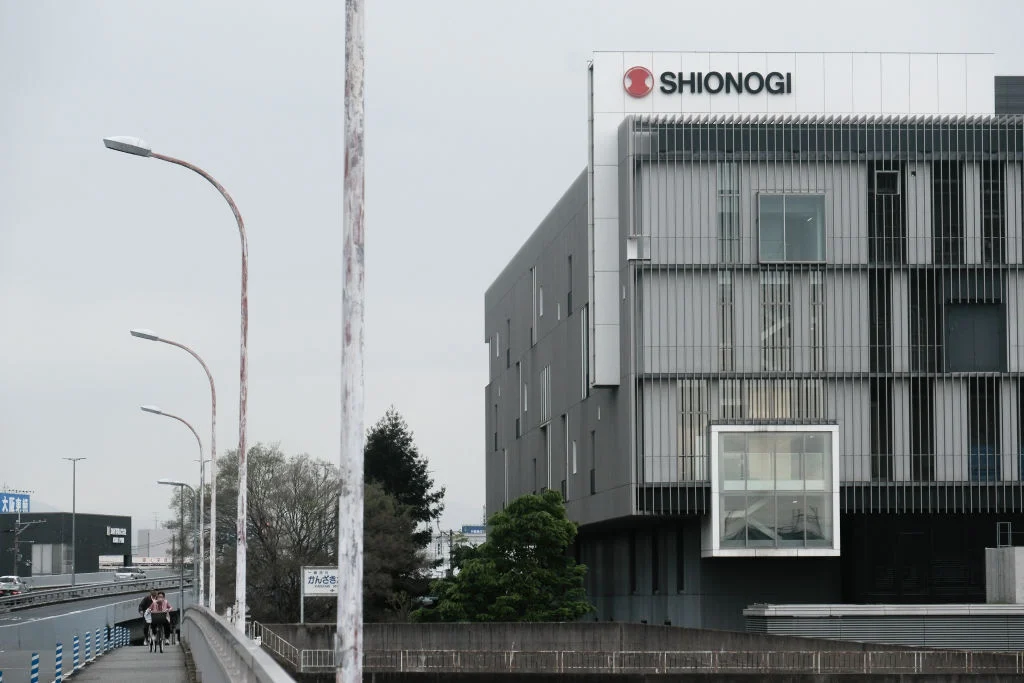
In a decisive move to solidify its foothold in the global rare disease market, Osaka-based pharmaceutical giant Shionogi & Co. announced this week that it has entered into a definitive agreement to acquire IntraBio, a U.S.-based biotech firm, for $2 billion. The acquisition represents a cornerstone of Shionogi’s “Vision 2030” strategy, aiming to pivot the company from its historical reliance on HIV royalty streams toward a diversified, high-growth portfolio of specialized neurological therapies.
For Shionogi, the deal is more than a simple asset purchase; it is a calculated bet on the commercial potential of Aqneursa (levacetylleucine), a drug that has recently garnered significant attention for its dual-indication success in the rare disease space.
The Core Asset: Aqneursa’s Clinical Versatility
The crown jewel of the IntraBio acquisition is Aqneursa. Originally developed by researchers hailing from the University of Oxford and the University of Munich, the drug is a chemically modified version of L-leucine, an essential amino acid. Unlike standard dietary supplements, IntraBio’s proprietary modification allows the compound to effectively cross the blood-brain barrier, a feat that has historically plagued many neuro-therapeutic candidates.
The FDA’s endorsement of the drug has been swift and impactful. In 2024, the agency granted approval for the treatment of neurological manifestations associated with Niemann-Pick disease type C (NPC)—a debilitating, inherited enzyme deficiency. Building on that momentum, the FDA expanded the drug’s label last month to include ataxia-telangiectasia (A-T), a rare genetic neurodegenerative disorder. Notably, Aqneursa holds the distinction of being the first and only FDA-approved therapy for A-T, granting Shionogi a dominant position in a market with virtually no existing competition.
Interestingly, while the clinical efficacy is clear, the exact biological mechanism by which Aqneursa mitigates the symptoms of these conditions remains partially mysterious. Despite this, its performance has been robust, generating $67.8 million in revenue during fiscal 2025. With Shionogi’s global supply chain and marketing infrastructure, the company expects to rapidly scale these figures.
Chronology of a Strategic Pivot
Shionogi’s evolution into a rare disease player did not happen overnight. The company has been methodically constructing its portfolio through a series of high-stakes capital deployments over the past six years.
- 2020: Shionogi marks its entry into specialized neurological research through the acquisition of Tetra Therapeutics, securing the small-molecule candidate Zatolmilast.
- 2024 (May): The company enters an exclusive worldwide license agreement with Maze Therapeutics for S-606001, a candidate targeting Pompe disease, a rare metabolic condition.
- 2026 (April): In its largest rare-disease transaction to date, Shionogi acquires global rights to Radicava (edaravone), a prominent treatment for amyotrophic lateral sclerosis (ALS), from Tanabe Pharma for $2.5 billion.
- 2026 (October): Shionogi announces the $2 billion acquisition of IntraBio, effectively adding a marketed commercial portfolio to its R&D-heavy rare disease pipeline.
This timeline illustrates a clear transition from early-stage experimental licensing to the acquisition of established, revenue-generating commercial entities. By combining the steady cash flows of the Radicava franchise with the emerging growth potential of Aqneursa, Shionogi is signaling a transition toward becoming a specialized powerhouse in neurology.
The Shionogi Ecosystem: Balancing HIV and Rare Disease
To understand the urgency of this acquisition, one must look at Shionogi’s financial backbone. Historically, the company has relied heavily on royalties from ViiV Healthcare, a joint venture primarily owned by GSK. Recognizing the risks of over-concentration, Shionogi has aggressively reinvested those gains. Earlier in 2026, the company increased its ownership stake in ViiV from 10% to 21.7%.
This dual-track strategy—using the reliable, long-term HIV revenue to fund high-risk, high-reward rare disease innovation—is the engine driving Shionogi’s 2030 growth targets. The company’s leadership views rare diseases as a "sticky" market; once a therapy is established as the standard of care for a specific genetic condition, the patient base is highly loyal and the regulatory landscape offers significant protections, such as orphan drug exclusivity.
Official Responses and Strategic Rationale
In a statement released to investors, Shionogi CEO Isao Teshirogi emphasized the long-term vision behind the IntraBio merger. "Bringing Aqneursa to Shionogi after our acquisition of Radicava will deepen our commitment to rare disease communities, expand our capabilities, and strengthen our portfolio as we advance future innovation for patients with significant unmet needs," Teshirogi noted.
The acquisition also brings a wealth of institutional knowledge to Shionogi. IntraBio, which relocated its headquarters from Oxford to Austin, Texas, in 2024, has spent over a decade honing its expertise in lysosomal function and intracellular calcium signaling. By integrating the IntraBio team, Shionogi isn’t just buying a drug; they are acquiring a research engine that has already demonstrated an ability to navigate the complex regulatory pathways of the FDA and the European Commission.
Implications for the Rare Disease Landscape
The acquisition of IntraBio sends several ripples through the biotech industry:
1. Market Consolidation
As large pharmaceutical firms look to fill their pipelines, we are likely to see more $1B–$3B acquisitions of smaller, specialized biotechs. Companies like Shionogi, which have the cash reserves from legacy products, are increasingly comfortable paying a premium for de-risked assets (drugs that have already passed FDA hurdles).
2. The "Unknown Mechanism" Paradigm
The success of Aqneursa, despite the unclear mechanism of action for its specific indications, highlights a shift in clinical development. Regulators are increasingly willing to approve treatments that show clear, statistically significant clinical improvement in patient quality of life, even if the molecular "why" is still being researched. This could open the door for other "repurposed" or modified amino-acid-based therapies that were previously ignored by traditional R&D models.
3. Challenges in the Pipeline
The path is not without obstacles. Shionogi’s experience with Zatolmilast serves as a sobering reminder of the volatility in the sector. In May 2026, the company reported that the drug failed two Phase 3 trials for Fragile X syndrome. This failure underscores why the acquisition of IntraBio is so critical; it provides an immediate revenue stream to offset the inherent uncertainty of clinical research in neurology.
4. Global Regulatory Synergy
With the European Commission having already granted approval for Aqneursa in Niemann-Pick disease type C, Shionogi is now positioned to leverage a global regulatory strategy. Having the drug already vetted by two major regulatory bodies significantly reduces the cost of market entry for other international territories, providing a clear path to recoup the $2 billion investment.
Conclusion: A Future-Proofing Strategy
As the transaction moves toward a projected close at the end of 2026, all eyes will be on how Shionogi integrates the IntraBio team and their specific expertise in calcium signaling. The move is a testament to the fact that, in the modern pharmaceutical landscape, survival depends on the ability to move quickly and decisively.
For patients suffering from Niemann-Pick disease and A-T, the acquisition promises a more stable supply and perhaps a more robust clinical development program as Shionogi explores the potential of Aqneursa in other neurological disorders. For Shionogi, the deal is a vital step toward a 2030 future where the company is defined not just by its HIV royalties, but by its central role in treating the world’s most challenging rare genetic conditions.
The integration will be a complex task, but with the foundation of the Radicava franchise and the clinical validation of Aqneursa, Shionogi has positioned itself as one of the most formidable players in the rare disease space today.