










Paris, France & Richmond, California – [Date of Publication] – In a landmark development poised to reshape the landscape of robotic mobility solutions, French robotics pioneer Wandercraft has officially acquired Ekso Bionics Inc., a leading American innovator in medical exoskeletons. The strategic acquisition, completed with a subsidiary of ChronoScale Holdings Corporation, unites two formidable forces in the field, creating what company statements herald as the world’s foremost medical exoskeleton company. This consolidation brings together an unparalleled combination of advanced technology, extensive clinical experience, and a global commercial footprint, aiming to significantly expand access to life-changing robotic assistance for individuals with mobility challenges.
The integration of Wandercraft’s expertise in sophisticated robotics and physical artificial intelligence with Ekso Bionics’ robust U.S. presence, deep clinical heritage, and broad commercial reach is expected to yield substantial synergies. Both companies have long stood at the forefront of medical exoskeleton innovation, driving significant advancements in research, development, and clinical application. This merger promises to create a comprehensive portfolio of medical exoskeletons, spanning the entire continuum of care – from intensive rehabilitation settings to empowering individuals in their daily lives. The combined entity is now uniquely positioned to accelerate the development and deployment of technologies that enable more people to stand, walk, and participate more fully in everyday activities, fostering independence and enhancing quality of life on an unprecedented global scale.
A Strategic Alliance: Unpacking the Main Facts
The acquisition of Ekso Bionics by Wandercraft represents more than just a corporate transaction; it is a strategic alignment of vision, technology, and market presence. For years, both companies have independently blazed trails in the complex domain of medical exoskeletons, each cultivating distinct strengths and market footholds. Wandercraft, renowned for its cutting-edge work in self-balancing exoskeletons driven by advanced physical AI, has established itself as a leader, particularly across Europe, the Middle East, and Africa (EMEA). Its flagship product, Atalante X, embodies a new generation of robotic gait assistance, offering dynamic and natural walking patterns.
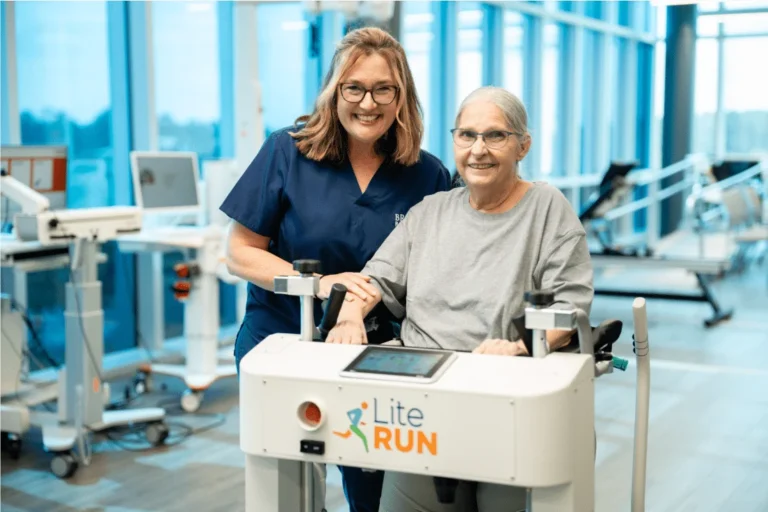
On the other side of the Atlantic, Ekso Bionics has carved out a formidable reputation, especially within the U.S. rehabilitation market. With a history stretching back two decades, Ekso Bionics has been instrumental in pioneering robotic technologies for neurorehabilitation, accumulating a vast body of clinical evidence and fostering deep relationships with rehabilitation professionals. Its primary clinical product, EksoNR, is a widely adopted platform for stroke, spinal cord injury (SCI), and other neurological conditions, known for its data-driven therapy and robust clinical validation.
The immediate impact of this merger is the creation of a diverse and complementary product offering. The combined portfolio now includes Wandercraft’s Atalante X for dynamic rehabilitation and Eve, its hands-free, self-balancing exoskeleton designed for personal use at home. These are seamlessly integrated with Ekso Bionics’ EksoNR for neurorehabilitation and Indego Personal, a modular wearable exoskeleton for individuals with SCI. This comprehensive suite of devices addresses a wider array of patient needs and clinical applications, ensuring that solutions are available across the various stages of recovery and long-term mobility management.
The combined company now supports patients in over 700 rehabilitation centers worldwide, a testament to its expanded global reach. Furthermore, both Atalante X and EksoNR hold crucial U.S. FDA clearances and CE markings, covering a broad spectrum of indications including stroke, spinal cord injury, multiple sclerosis, and acquired brain injury. This regulatory alignment facilitates broader market penetration and ensures adherence to the highest standards of safety and efficacy across key international markets. Wandercraft has affirmed its commitment to supporting all four products – Atalante X, EksoNR, Eve, and Indego Personal – along with their existing customer base, clinicians, and individual users, ensuring continuity and stability in service and support.
A Legacy Forged: The Chronology of Innovation
The journey leading to this significant merger is rooted in the individual histories of two companies that have profoundly influenced the development of medical exoskeletons.
Wandercraft’s Ascent: Pioneering Physical AI
Wandercraft was founded in 2012 in Paris, France, by a team of visionary engineers and robotics experts, including Matthieu Masselin, who now serves as CEO. From its inception, the company’s ambition was audacious: to develop truly intelligent, self-balancing exoskeletons that could mimic human gait with unprecedented fluidity and autonomy. This vision culminated in the creation of Atalante X, a groundbreaking device distinguished by its "physical AI." Unlike earlier exoskeletons that often required significant user input or therapist assistance, Atalante X uses sophisticated algorithms to predict and adapt to the user’s movements, providing dynamic balance and support, allowing for more natural and hands-free walking experiences during rehabilitation.
Wandercraft rapidly gained traction in the EMEA region, establishing itself as a leader in advanced robotic rehabilitation. Its focus on highly automated and intelligent systems positioned it at the forefront of the next generation of medical exoskeletons. The company’s commitment extended beyond clinical settings, with the development of Eve, an exoskeleton designed to bring the benefits of hands-free, self-balancing mobility directly into the homes of users, aiming to restore greater independence in daily life. Over its relatively short history, Wandercraft has garnered significant investment and recognition for its technological prowess and its potential to revolutionize personal mobility.
Ekso Bionics: A Foundation in Clinical Evidence
Ekso Bionics’ roots trace back much further, originating from the pioneering work at the University of California, Berkeley’s Robotics and Human Engineering Laboratory in the early 2000s. Spun out as Ekso Bionics in 2005, the company quickly became a trailblazer in the nascent field of wearable robotics. Its early focus was on developing robust, reliable exoskeletons for rehabilitation, with a strong emphasis on clinical research and evidence-based practice. This dedication led to the development of EksoNR, a device that has become a staple in neurorehabilitation centers across the United States and globally.
EksoNR is distinguished by its ability to provide quantifiable data on patient performance, enabling therapists to track progress, tailor interventions, and demonstrate objective outcomes. The company’s commitment to rigorous clinical trials and data collection has built a foundation of trust among clinicians and patients alike. Beyond the clinical realm, Ekso Bionics also ventured into personal mobility with the Indego Personal, a lightweight, modular exoskeleton designed for individuals with spinal cord injuries to use at home and in the community. Over two decades, Ekso Bionics accumulated extensive intellectual property, a vast clinical network, and deep expertise in regulatory navigation, establishing itself as a venerable institution in the medical exoskeleton industry.
The recent acquisition by Wandercraft represents a new chapter for Ekso Bionics, transitioning from a subsidiary of ChronoScale Holdings Corporation to become an integral part of a larger, unified global entity. This chronological progression underscores how both companies, through distinct yet complementary paths, have converged to form a new leader in robotic mobility, leveraging their combined historical achievements for future innovation.
Supporting Data: Technology, Reach, and Regulatory Frameworks
The strength of the newly combined Wandercraft and Ekso Bionics lies not only in their shared vision but also in the concrete data supporting their individual and collective capabilities.
Advanced Technologies at the Forefront
Wandercraft’s "physical AI" is a cornerstone of its technological advantage. This sophisticated system allows the Atalante X to learn and adapt to a patient’s gait in real-time, providing dynamic stability and support without requiring external assistance for balance. This results in a more natural walking experience, promoting active participation from the user and potentially accelerating neuroplasticity. The self-balancing feature is particularly crucial for personal use exoskeletons like Eve, as it empowers users to navigate complex environments without relying on crutches or walkers, thereby enhancing true independence.
Ekso Bionics, conversely, brings to the table its extensive experience in data-driven neurorehabilitation. EksoNR integrates sensors and software that provide therapists with objective metrics on patient performance, including gait parameters, step count, and weight shift. This data-centric approach enables highly individualized therapy plans, precise tracking of progress, and evidence-based decision-making. The modular design of Indego Personal offers another layer of customization, allowing users to assemble and disassemble the device for transport and storage, a critical feature for personal use.
Expansive Clinical and Commercial Reach
Before the acquisition, Wandercraft had established a strong foothold in Europe, with Atalante X deployed in numerous leading rehabilitation centers. Ekso Bionics, on the other hand, boasted a robust network across the United States, with EksoNR being a prominent fixture in many of the nation’s top hospitals and rehabilitation facilities. The combination of these networks results in an immediate global presence, with the combined portfolio now accessible in over 700 rehabilitation centers worldwide. This scale is critical for both market penetration and for gathering diverse clinical data across varied patient populations and healthcare systems.
Robust Regulatory Approvals
Both companies have successfully navigated stringent regulatory pathways to bring their products to market. Atalante X and EksoNR both hold U.S. FDA clearances and CE markings (Conformité Européenne), signifying their compliance with the health, safety, and environmental protection standards for products sold within the European Economic Area. These approvals are crucial as they validate the safety and efficacy of the devices for specific medical indications, including:
- Stroke: Addressing gait impairments and facilitating recovery.
- Spinal Cord Injury (SCI): Providing upright mobility and ambulation.
- Multiple Sclerosis (MS): Supporting individuals with progressive mobility decline.
- Acquired Brain Injury (ABI): Assisting in rehabilitation for various neurological deficits.
The breadth of these indications underscores the versatility and clinical utility of the combined product offering. For personal use, the Medicare coverage in the U.S. for qualifying personal exoskeletons under its brace benefit category, billed under HCPCS code K1007, represents a significant piece of supporting data. This established reimbursement pathway is vital for patient access and highlights the recognition of these devices as medically necessary. The combined entity’s increased scale will allow for more potent advocacy for similar broad coverage worldwide, further breaking down financial barriers to access.
Leadership Voices: A Unified Vision for Mobility
The strategic rationale behind the acquisition is eloquently articulated by the leaders of both organizations, whose statements reflect a profound shared commitment to advancing robotic mobility.
Matthieu Masselin, CEO and Co-founder of Wandercraft, underscored the fundamental alignment of purpose, stating, "We share a vision for how robotics can empower people whose mobility has been unfairly limited by injury or disease. Both companies have pioneered advanced technologies to help people stand, walk, and participate more fully in everyday life. By bringing together our products, teams, and clinical relationships on both sides of the Atlantic, we have an exceptional opportunity to expand access to robotic mobility worldwide, reach more patients and rehabilitation professionals, and help more people experience the independence and connection that upright mobility can offer."
Masselin’s statement highlights the humanitarian core of the merger. It’s not merely about market dominance but about fulfilling a societal need: restoring dignity and opportunity to individuals whose lives have been impacted by mobility impairments. His emphasis on "independence and connection" speaks to the profound psychological and social benefits that upright mobility can provide, going beyond mere physical function. The vision of expanding access "worldwide" also signals an aggressive global strategy, leveraging the combined entity’s resources to penetrate new markets and serve broader patient populations.
Scott Davis, representing the go-forward Ekso Bionics leadership, echoed this sentiment while emphasizing Ekso’s legacy of rigorous scientific development. "Ekso has spent two decades pioneering robotic technologies, advancing engineering and R&D, and building a robust body of clinical research and evidence that has earned the trust of clinicians and the people who rely on our products," Davis affirmed. "Joining Wandercraft represents an exciting next chapter, uniting two organizations with a shared commitment to mobility, rehabilitation, and innovation. Together, we can build on that trailblazing work and expand our ability to develop and deploy technologies that make a meaningful difference for more people."
Davis’s remarks underscore the invaluable intellectual capital and clinical credibility that Ekso Bionics brings to the merger. The "robust body of clinical research and evidence" is a critical asset, reinforcing the scientific foundation upon which future innovations will be built. His statement conveys enthusiasm for the synergy, recognizing that the combined strengths will enable both continued "trailblazing work" and an amplified capacity to "develop and deploy technologies that make a meaningful difference." The leadership’s unified message of shared vision and complementary strengths provides a strong foundation for the integrated company’s future endeavors.
Far-Reaching Implications: Market, Patients, and Future Innovation
The acquisition of Ekso Bionics by Wandercraft carries significant implications for various stakeholders, from the global medical device market to individual patients seeking greater independence.
Reshaping the Medical Exoskeleton Market
This merger immediately establishes a dominant force in the medical exoskeleton sector. By combining two of the most recognized and technologically advanced players, the newly formed entity sets a new benchmark for innovation, market reach, and comprehensive product offerings. Competitors will face a significantly strengthened rival with an expanded intellectual property portfolio, a broader distribution network, and enhanced financial resources for research and development. This consolidation may also spur further M&A activity within the industry as other players seek to scale up or specialize to remain competitive. The combined company’s ability to offer solutions across the entire continuum of care, from acute rehabilitation to long-term personal use, positions it as a one-stop shop for diverse mobility needs.
Enhanced Patient Access and Outcomes
For patients, the implications are overwhelmingly positive. The expanded product portfolio means that individuals with conditions such as stroke, spinal cord injury, multiple sclerosis, and acquired brain injury will have access to a wider array of tailored solutions. Whether it’s the dynamic, self-balancing assistance of Atalante X in a clinical setting, the data-driven therapy of EksoNR, or the personal freedom offered by Eve and Indego Personal at home, the chances of finding an optimal device aligned with individual needs and goals are significantly increased.
The combined company’s commitment to supporting all existing products ensures continuity of care for current users. Furthermore, the increased scale and efficiency are expected to drive down costs in the long run and improve accessibility, making these life-changing technologies available to a broader demographic. The focus on personal use exoskeletons is particularly impactful, as it shifts the paradigm from purely clinical interventions to empowering individuals to integrate robotic assistance into their daily lives, fostering greater autonomy and social participation.
Accelerating Research and Development
The pooling of R&D resources, engineering talent, and intellectual property from two pioneering companies is a catalyst for accelerated innovation. Wandercraft’s expertise in physical AI and advanced robotics, combined with Ekso Bionics’ deep clinical understanding and extensive data sets, creates a fertile ground for developing next-generation exoskeletons. This could lead to:
- More intuitive and adaptable devices: Exoskeletons that better anticipate user intent and adapt to varied terrains and activities.
- Enhanced sensor integration: Smarter devices that collect even more granular data for personalized therapy.
- AI-driven therapy protocols: Leveraging artificial intelligence to optimize rehabilitation programs.
- New materials and designs: Lighter, more comfortable, and more aesthetically pleasing devices.
- Expansion into new indications: Exploring the application of exoskeletons for other neurological or musculoskeletal conditions.
This synergistic R&D environment promises to push the boundaries of what medical exoskeletons can achieve, ultimately benefiting future generations of users.
Streamlined Market Access and Reimbursement Advocacy
One of the most significant practical implications is the strengthened ability to navigate the complex landscape of market access and reimbursement. Wandercraft has already demonstrated its prowess in this area, particularly with its "Walk in New York by Wandercraft" rehabilitation center, which serves as a hub for training and support. The company’s dedicated access team assists users and their care teams with critical aspects such as navigating benefits, documentation, reimbursement processes, financing options, and coordination with clinicians and payers.
With the combined scale, the new entity gains substantial leverage to advocate for broader coverage worldwide. The existing Medicare coverage for qualifying personal exoskeletons in the U.S. (HCPCS code K1007) provides a strong precedent. The company’s increased influence will be crucial in engaging with policymakers, insurance providers, and healthcare systems globally to demonstrate the long-term health, economic, and societal benefits of exoskeleton use, thereby making these devices more affordable and accessible to a wider population.
Enhanced Customer Service and Clinical Support
The merger is also expected to significantly enhance customer service and clinical support through a broader international network and shared clinical expertise. Rehabilitation centers, for example, will now have access to specialists with expertise in both Atalante X and EksoNR. This means that facilities can receive comprehensive guidance on identifying the best robotic mobility solutions for their diverse patient populations, while still benefiting from dedicated, product-specific support for each device. This integrated approach ensures that clinicians are well-equipped to maximize the therapeutic potential of the entire product range, leading to better patient outcomes and greater efficiency in care delivery.
In conclusion, the acquisition of Ekso Bionics by Wandercraft marks a pivotal moment in the evolution of medical exoskeletons. By combining their respective strengths, technologies, and market reach, the newly formed entity is poised to accelerate innovation, expand global access, and ultimately transform the lives of countless individuals living with mobility impairments, ushering in a new era of robotic assistance and human empowerment. The boards of directors of both Wandercraft and ChronoScale Holdings Corporation unanimously approved the transaction, which was signed and closed simultaneously. Financial terms of the agreement were not disclosed.