








For decades, the conventional wisdom surrounding human physical performance has been mired in ambiguity. We know that we slow down as we age, but the "when," the "why," and the "how much" have remained subjects of intense speculation. A landmark 47-year study from Sweden has finally provided a definitive, data-driven timeline: for most adults, the peak of physical capability arrives in the mid-30s.
The findings, published in the Journal of Cachexia, Sarcopenia and Muscle in 2025, offer a sobering reality check for those in their prime, but they also provide a potent, evidence-based counter-narrative to the idea that aging is a steady, unstoppable slide into frailty. By tracking the same individuals from adolescence into their early 60s, researchers have illuminated the biological trajectory of the human body, proving that while we cannot stop the clock, we have significant agency over how quickly it ticks.
The Swedish Physical Activity and Fitness Study: A Longitudinal Masterpiece
The Swedish Physical Activity and Fitness study (SPAF) represents a gold standard in longitudinal research. Unlike cross-sectional studies—which compare different people of various ages at a single moment in time and often suffer from "cohort effects" (differences in nutrition, lifestyle, or environment between generations)—the SPAF study followed the same 427 individuals born in 1958.
Researchers at the Karolinska Institutet tracked these participants through repeated physical assessments starting at age 16 and continuing through age 63. By observing the same subjects over nearly half a century, the team was able to map the precise arc of human physical development and subsequent decline with a level of accuracy rarely achieved in exercise physiology.
Chronology of Decline: The Mid-30s Pivot
The SPAF data reveals a consistent biological pattern. Aerobic fitness—the body’s efficiency in utilizing oxygen—and muscular endurance hit their zenith between the ages of 26 and 36. Shortly after this window, a subtle but consistent decline begins.
The Phases of Aging
- The Peak (Ages 26–36): Participants demonstrated their highest levels of aerobic capacity and endurance. Explosive muscle power, however, often peaked even earlier, suggesting that the most volatile physical capabilities are the first to experience the "wear and tear" of time.
- The Onset (Mid-30s): The decline begins as a modest, often imperceptible shift. Many individuals may not notice a decrease in daily functionality, but physiological markers show a definitive departure from peak performance.
- The Acceleration (Ages 40–63): Following the mid-30s threshold, the rate of decline gains momentum. By the time participants reached age 63, the cumulative loss in aerobic fitness and muscle strength ranged from 30% to 48% compared to their peak years.
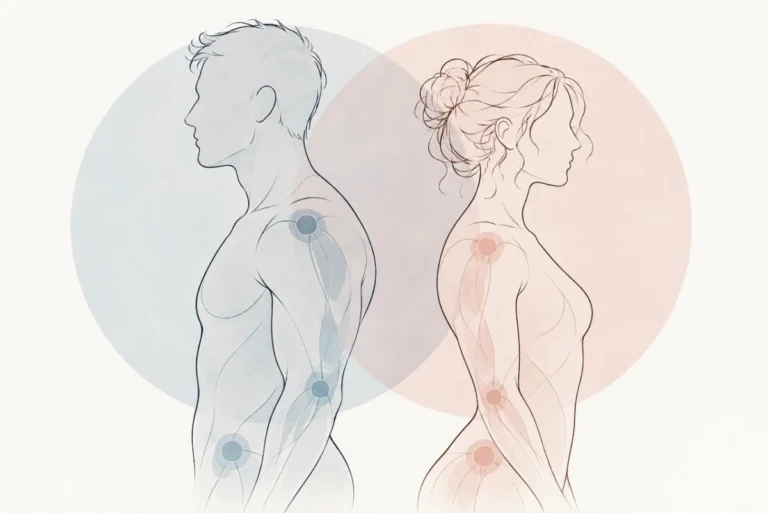
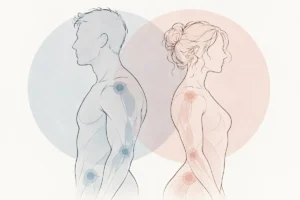
Crucially, this pattern was universal. While individual baselines differed significantly—due to genetics and lifestyle—the rate of decline was remarkably similar across both men and women.
Understanding the Biological Mechanisms of Deterioration
Why does the body begin to lose its competitive edge at age 35? Scientists are currently investigating a constellation of biological factors that begin to shift in middle age.
The Mitochondrial Engine
At the cellular level, the mitochondria—the "power plants" of our cells—begin to show signs of decreased efficiency. As these organelles become less adept at converting nutrients into ATP (the fuel for muscle contraction), the overall metabolic output of the body declines.
Neuromuscular and Structural Changes
Beyond the cell, the nervous system’s ability to communicate with muscle fibers—the "firing rate" required for explosive movement—slows down. Simultaneously, the muscles themselves begin to lose mass and become less responsive to the anabolic signals that trigger repair. This contributes to the early stages of sarcopenia, a condition characterized by the loss of skeletal muscle mass and strength, which is a primary driver of functional disability in later life.
The "Active Advantage": Can We Outrun the Clock?
One of the most profound revelations of the SPAF study is that physical activity does not grant total immunity from aging. Even participants who maintained rigorous exercise regimens throughout their lives saw a measurable decline in their performance metrics as they moved through their 50s and 60s.
However, the study also provided an encouraging "correction" to this narrative. While exercise cannot stop biological aging, it dramatically alters the slope of the decline.
The 5–10% Margin
Participants who adopted a physically active lifestyle in adulthood saw their physical capacity improve by 5% to 10% compared to their sedentary peers. Furthermore, those who were active during adolescence enjoyed a "legacy effect," maintaining higher baseline fitness, endurance, and power well into their 50s and 60s. This confirms that physical activity is not merely a tool for maintenance, but an active intervention capable of shifting the performance curve upward at any stage of life.
Official Responses and Expert Perspective
Maria Westerståhl, a lecturer at the Department of Laboratory Medicine and the study’s lead author, emphasizes the importance of nuance in interpreting these findings.
"It is never too late to start moving," Westerståhl stated. "Our study shows that physical activity can slow the decline in performance, even if it cannot completely stop it. Now we will look for the mechanisms behind why everyone reaches their peak performance at age 35 and why physical activity can slow performance loss but not completely halt it."
The message from the Karolinska Institutet is clear: the peak of 35 is a population-level average, not a personal death knell for athleticism. Individuals can continue to set personal records or improve their strength through targeted training, even as the biological "tide" of aging begins to pull in the opposite direction.
Beyond Muscle: The Cardiovascular Implications
The implications of the SPAF study extend far beyond the gym. A 2026 follow-up analysis published in Scientific Reports linked early-adulthood fitness to long-term vascular health.
Researchers discovered that individuals who maintained high aerobic fitness at ages 34 and 52 exhibited significantly lower arterial stiffness at age 63. Arterial stiffness is a critical biomarker for cardiovascular risk; when blood vessels lose their elasticity, the heart must work harder to circulate blood, increasing the risk of hypertension, stroke, and heart failure.
Remarkably, this correlation held true even after researchers accounted for traditional risk factors like obesity, smoking, and blood pressure. This suggests that maintaining aerobic capacity in your 30s and 40s may provide a "vascular buffer" that protects the cardiovascular system decades later.
Supporting Data: Evidence from Concurrent Research
The findings from the SPAF study are echoed by a growing body of 2026 research that underscores the malleability of the aging body:
- The Cyclist Study (GeroScience): In a study of 82 older adults who remained consistent cyclists, participants still saw a 19.7% decline in peak aerobic capacity over nine years. Yet, because they started with such high fitness levels, they remained in the 90th percentile for their age. This proves that high-level activity allows people to "age into" a state of physical health that is vastly superior to the sedentary average.
- The Resistance Training Study (The American Journal of Medicine): A four-year study of 49 men aged 60 to 82 demonstrated that it is never too late to see results. Participants who were previously sedentary saw significant improvements in both upper and lower body strength after implementing weekly resistance training. Those who combined weightlifting with aerobic exercise saw the most profound gains, confirming that the body retains its plasticity well into the eighth decade of life.
Implications for Public Health and Longevity
The SPAF study provides a roadmap for healthy aging. The key takeaway is the distinction between "getting older" and "becoming inactive."
While biological aging is an inevitable physiological process, the functional expression of that aging is highly modifiable. The decline that begins in our 30s is a signal to transition from "passive health" (where the body maintains itself naturally) to "active health" (where exercise becomes a necessary intervention).
By viewing the mid-30s not as a peak that marks the beginning of an end, but as a pivot point for lifelong maintenance, society can better prioritize the interventions that preserve independence. Whether through resistance training to counter sarcopenia or aerobic activity to keep the cardiovascular system supple, the evidence confirms that the most effective way to combat the natural decline of age is to remain a lifelong participant in one’s own physical well-being. As the Swedish researchers prepare to assess their cohort at age 68, the message to the public remains consistent: the best time to start is now.