






For decades, nutritional advice has focused almost exclusively on the "what"—the macronutrient balance of proteins, fats, and carbohydrates. However, a groundbreaking study from Oregon Health & Science University (OHSU) suggests that the "when" may be just as critical for long-term health. New research indicates that the timing of your final meal could be a pivotal factor in protecting your liver, with evidence suggesting that late-night eating is linked to a significantly higher risk of chronic liver disease.
The Core Findings: A 30% Increase in Risk
The study, published in the prestigious journal Clinical Gastroenterology and Hepatology, presents a compelling case for shifting our daily eating windows. Researchers found that individuals who habitually consume food after dinner or close to bedtime face a 20% to 30% higher risk of developing liver disease compared to those who conclude their caloric intake earlier in the evening.
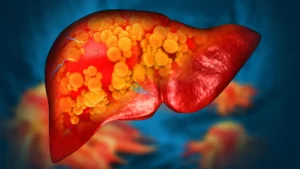
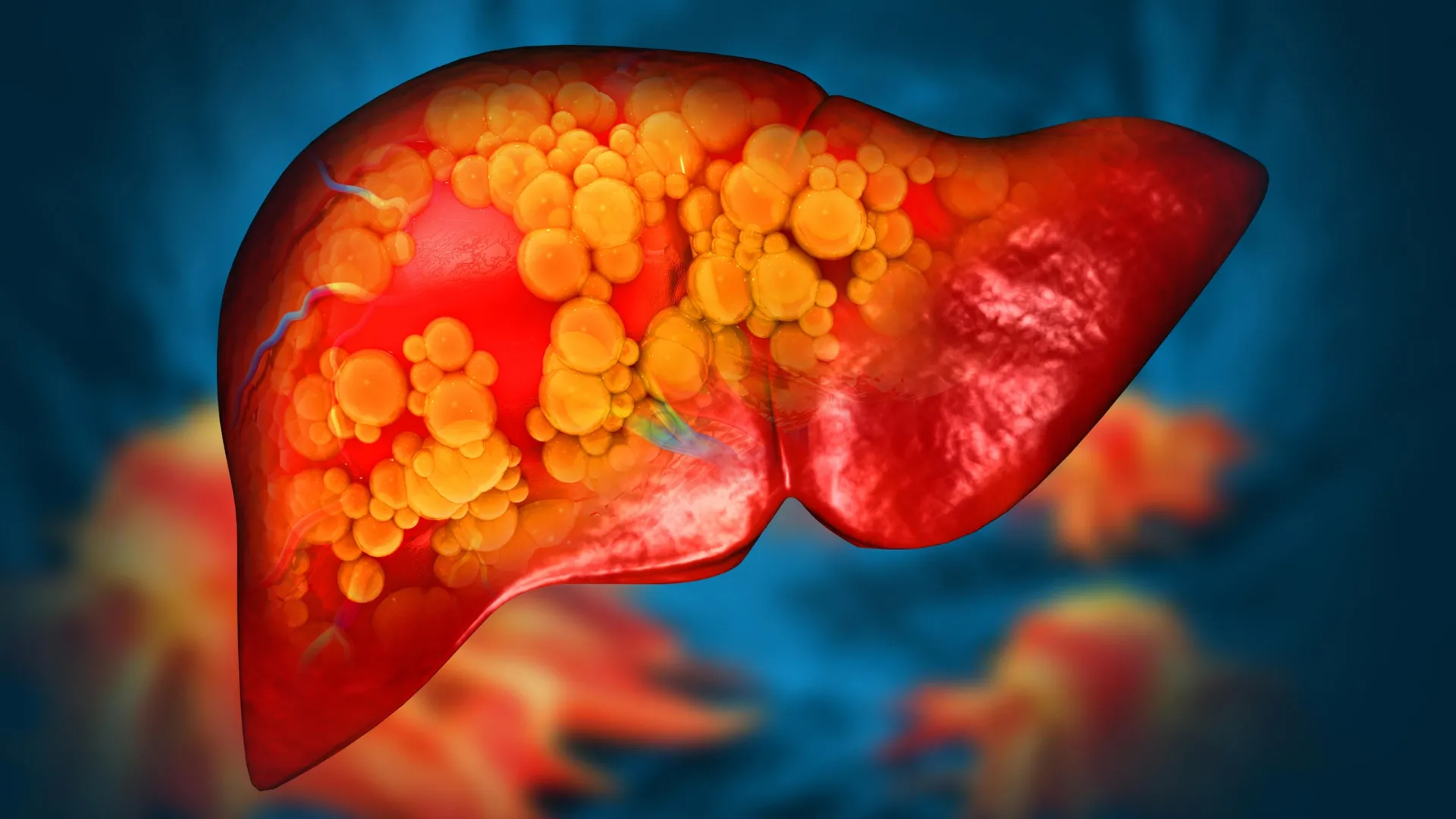
The health conditions identified in the study range from metabolic dysfunction-associated steatotic liver disease—more commonly known as fatty liver disease—to cirrhosis, the latter being a severe, progressive condition characterized by extensive scarring of the liver tissue. While fatty liver disease is already a significant public health challenge in the United States, affecting roughly 30% of the population, the realization that behavioral timing contributes to its onset adds a new, actionable dimension to preventative care.
A Chronological Deep Dive: From Observation to Analysis
The journey to this discovery began with a desire to understand why metabolic disorders are becoming increasingly prevalent in modern society. For years, scientists have linked late-night snacking to obesity and cardiovascular distress. Hepatologists and researchers began to wonder: if the heart and waistline suffer from poor timing, what toll is it taking on the liver, the body’s primary metabolic engine?
To answer this, the research team—led by OHSU hepatologist Dr. Robert Wilechansky—tapped into a massive reservoir of health data. By aggregating information from three landmark longitudinal studies—the Nurses’ Health Study, the Nurses’ Health Study II, and the Health Professionals Follow-up Study—the team was able to analyze the habits of nearly 200,000 participants.
The Data Architecture
The research utilized a rigorous, multi-decade dataset that tracked eating habits, daily routines, and lifestyle factors. By categorizing participants based on their typical meal timing, the team established a clear correlation: those who consistently ate during the late-evening hours showed a statistically significant increase in liver-related ailments.
The findings suggest that the human body is not merely a furnace that burns fuel regardless of the time of day. Instead, it is a finely tuned machine regulated by internal biological processes that prioritize different metabolic functions at different hours.
The Biology of Timing: Why the Liver’s Clock Matters
The mechanism behind these findings is rooted in circadian rhythms. Every cell in the human body, particularly those within the liver, operates on a roughly 24-hour cycle. This "internal clock" orchestrates everything from hormone secretion and body temperature to glucose regulation and nutrient processing.
The Liver as a Circadian Sentinel
The liver is one of the most rhythm-sensitive organs in the body. Throughout the day, it processes nutrients and manages energy storage. However, as the body prepares for sleep, its metabolic priorities shift. When you consume a heavy meal late at night, you are effectively forcing the liver to process calories at a time when it is biologically programmed to shift into a "rest and repair" mode.
Dr. Andrew McHill, an associate professor at OHSU specializing in sleep and circadian physiology, emphasizes that this mismatch between behavior and biology has consequences. "We are seeing over and over again that the timing of behaviors, whether it’s sleep, eating, or exercise, really matters," McHill explains. When the internal clock signals that it is time to sleep, the body’s ability to metabolize food efficiently drops significantly. This inefficient processing can lead to the accumulation of excess fat in the liver, laying the groundwork for metabolic dysfunction and, eventually, more serious inflammation.
Perspectives from the Research Team
The study’s lead author, Dr. Robert Wilechansky, who specializes in liver transplantation, notes that this is one of the first long-term analyses to explicitly draw a line between late-night eating and fatty liver disease.
"We know the liver is very much in tune with the body’s circadian rhythms," says Dr. Wilechansky. "So, we are interested in changing the timing of eating in a way that could make a difference in health without changing the composition of what people eat."
This perspective is particularly revolutionary because it offers a "low-friction" health intervention. For many patients, the prospect of radical dietary restriction—cutting out entire food groups or strictly limiting calorie counts—can be daunting and unsustainable. However, shifting the timing of those same calories is a behavioral modification that does not require a change in the nutritional content of the diet itself.
Implications for Public Health
The implications of this research are far-reaching. If further, more controlled studies confirm these findings, the "early-dinner" approach could become a standard recommendation in clinical guidelines for liver health.
Beyond Weight Management
While obesity is a known risk factor for liver disease, the study suggests that the timing of food intake may be an independent variable. Even in individuals who manage to maintain a healthy weight, late-night snacking might still place unnecessary strain on the liver. This shifts the conversation from "counting calories" to "respecting the clock."
The "Night Shift" Parallel
Dr. Wilechansky’s interest in this topic was initially piqued by existing data on night-shift workers. It is well-documented that those whose work schedules force them to be awake and eating during the night face higher rates of obesity, diabetes, and cardiovascular disease. This study bridges the gap between those shift workers and the average person who simply stays up late to watch television or work, suggesting that our biological rhythms are far more rigid than we previously assumed.
A Note of Scientific Caution
Despite the strength of the correlation, the researchers are quick to urge caution. Because this was an observational study, it cannot definitively prove that late-night eating causes liver disease. It is possible that individuals with certain pre-existing lifestyle factors or biological predispositions are simply more likely to eat late at night.
Furthermore, the data relied on self-reported information. As any nutritionist or scientist will attest, self-reporting can be subject to recall bias or inaccuracy. To address these limitations, Dr. Wilechansky and his team are already moving into the next phase of research: a clinical trial.
The Future of Clinical Trials
The upcoming OHSU clinical study will move beyond self-reported questionnaires. By monitoring meal timing directly and observing how shifting food consumption earlier in the day impacts patients with already-diagnosed fatty liver disease, the researchers hope to determine if this simple behavioral shift can lead to measurable clinical improvements.
Conclusion: A New Frontier in Preventive Medicine
The findings from OHSU serve as a timely reminder that health is not just about what we consume, but how our bodies integrate those inputs into our internal rhythms. While we await the results of the next phase of clinical trials, the preliminary data is clear: the modern habit of late-night eating may be doing more harm to our internal organs than we realized.
For now, the advice is simple and potentially life-changing: if you want to protect your liver, consider closing the kitchen a few hours before you head to bed. By allowing your body the time it needs to transition into its nocturnal state, you may be providing your liver with the restorative break it needs to function at its best.
As we continue to learn more about the complexities of human metabolism, one thing is becoming increasingly clear: your liver has a clock, and it is best to listen to it.
This research, conducted by a team including Dr. Robert Wilechansky, Dr. Andrew McHill, Kevin Casey, Dr. Andrew Chan, and Dr. Tracey Simon, was supported by the American Association of the Study of Liver Diseases Foundation (award CTORA24-179910).