










For millions of Americans, the daily ritual of swallowing a fish oil capsule is an act of faith. Driven by the hope of safeguarding memory and staving off the shadows of cognitive decline, consumers spend more than $1 billion annually on omega-3 fatty acid supplements. These essential nutrients—long touted for their role in building and maintaining the delicate architecture of brain cell connections—have been marketed as a "silver bullet" for the aging brain.
However, a landmark two-year clinical trial conducted by researchers at Keck Medicine of USC has delivered a sobering reality check. The findings, published in the journal eBioMedicine, suggest that despite high-dose supplementation, omega-3s fail to provide the cognitive shield that many have come to expect. While the supplements successfully reached the brain, they did not translate into better memory, sharper thinking, or protection against the structural brain shrinkage that characterizes Alzheimer’s disease.
The Search for a Cognitive Shield: Study Chronology
The study, which enrolled 365 older adults between the ages of 55 and 80, was designed to test the limits of nutritional intervention in a high-risk population. All participants recruited for the trial shared a specific dietary profile: they reported rarely consuming fish, the primary natural source of omega-3 fatty acids. Furthermore, all participants were considered to be at an elevated risk of developing Alzheimer’s disease.
Crucially, nearly half of the cohort (47%) carried the APOE4 gene variant. Known as the strongest genetic risk factor for late-onset Alzheimer’s, the presence of APOE4 does not guarantee the disease will develop, but it significantly elevates the statistical probability of cognitive decline.
The Methodology
The research employed a rigorous double-blind, randomized, placebo-controlled design. For the duration of the two-year trial, participants were divided into two groups. One group received a daily dose of 2,000 mg of docosahexaenoic acid (DHA)—the specific omega-3 fatty acid vital for neural structure—while the control group received an inert placebo. By keeping both the researchers and the participants in the dark regarding who received the active treatment, the team minimized bias, ensuring that the results reflected the biological reality of the intervention rather than the psychological expectations of the subjects.
Supporting Data: Why "Reaching the Brain" Wasn’t Enough
Before the researchers could determine the efficacy of the supplements, they faced a fundamental challenge: confirming that the DHA was actually crossing the blood-brain barrier. To verify this, the team analyzed the cerebrospinal fluid (CSF)—the clear, protective liquid surrounding the brain and spinal cord—of the participants.
The results confirmed the biological uptake of the nutrient. After six months of consistent supplementation, DHA levels in the CSF of those taking the active capsules increased by an average of 17%. The supplement had successfully traveled from the digestive system, through the bloodstream, and into the central nervous system.
Despite this clear evidence of transport, the clinical outcomes were starkly different. When researchers performed standardized cognitive assessments at the start of the study and again at the two-year mark, those who had taken the supplements performed no better than the placebo group. The "cognitive advantage" simply failed to materialize.
Imaging Results: Structural Integrity
Beyond memory testing, the research team utilized advanced brain imaging to observe the physical state of the hippocampus—a deep, sea-horse-shaped region of the brain critical for memory formation. The hippocampus is often the first area to suffer from atrophy in the progression of Alzheimer’s.
The imaging data revealed that the daily influx of 2,000 mg of DHA did nothing to slow the rate of hippocampal shrinkage. The brain’s physical structure, like its cognitive function, remained unaffected by the supplementation, suggesting that the presence of the nutrient alone is insufficient to halt or reverse the complex, multi-factorial processes of neurodegeneration.
Official Responses and Expert Perspective
Dr. Hussein Naji Yassine, the director of the USC Center for Personalized Brain Health and the lead investigator of the study, expressed the findings with a mix of scientific caution and professional transparency.
"We all wish there was a silver bullet for preventing Alzheimer’s, but our findings showed that fish oil supplements do not appear to protect brain health," Dr. Yassine noted. He emphasized the distinction between the biological necessity of omega-3s and the clinical failure of the supplement. "While omega-3s play an important role in forming brain cell connections needed for cognition, our results do not support fish oil supplements as a preventive measure against Alzheimer’s."
The research team is now pivoting their focus to address a complex follow-up question: If omega-3s are essential for brain health, why do they fail to perform when delivered in isolation?
The "Food vs. Pill" Paradigm
Dr. Yassine’s team is currently investigating how the brain processes these nutrients, with a growing hypothesis that the biological context matters. Their previous research suggests that omega-3s may only provide benefits when consumed as part of a comprehensive dietary pattern—such as the Mediterranean diet—rather than as a concentrated, isolated supplement.
"We are working to understand whether factors such as poor health, dietary patterns, genetic risk, and age may change the brain’s ability to effectively absorb and use omega-3s," Dr. Yassine explained. The team is currently exploring the development of potential medications that could act as "facilitators," helping the brain better utilize nutrients that it is currently failing to process effectively in older or at-risk individuals.
Implications for Public Health and Longevity
The implications of this study are far-reaching, particularly for the multibillion-dollar supplement industry and the aging population. The findings do not imply that omega-3 fatty acids are "bad" or unnecessary. DHA remains a critical component of neuronal cell membranes, supporting the structural integrity and signaling efficiency of the human brain. Rather, the study highlights the limitation of modern "pill-based" medicine in solving complex, degenerative health conditions.
Rethinking the "Car Maintenance" Model
Dr. Yassine offers a compelling analogy for the public to consider. He likens the brain to a high-performance engine that requires more than just one type of oil to function properly.
"Living a healthy lifestyle is the brain’s equivalent of getting regular car maintenance and high-quality oil changes," Yassine said. "The brain is more likely to lose greater function if health issues in other parts of the body go unaddressed, in the same way that car engines stop working if regular maintenance is skipped."
The research underscores that while supplements are marketed as a quick fix, they cannot substitute for the synergistic effects of:
- Physical Activity: Promoting cardiovascular health and, by extension, robust blood flow to the brain.
- Quality Sleep: Essential for the glymphatic system’s nightly "cleansing" of metabolic waste from the brain.
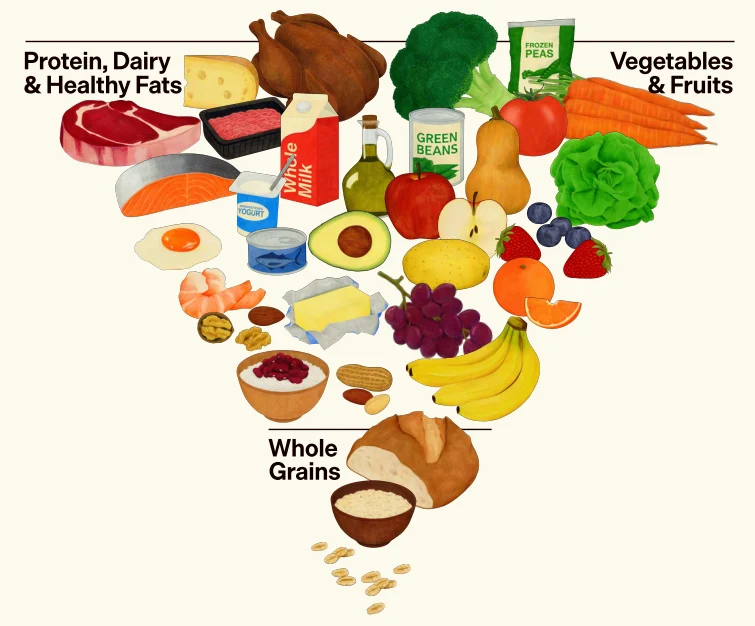
- Balanced Nutrition: A whole-food diet provides a spectrum of nutrients that likely work in concert with omega-3s to support neuroprotection.
Conclusion: A Shift Toward Holistic Prevention
The Keck Medicine of USC study serves as a critical pivot point in Alzheimer’s research. It forces a departure from the reductionist view that one specific nutrient can act as a shield against a disease as complex as Alzheimer’s.
For the average consumer, the message is clear: do not look to a bottle of fish oil to offset a sedentary lifestyle, poor sleep, or a diet lacking in vegetables, grains, and whole proteins. Instead, the path toward cognitive longevity lies in the cumulative, daily maintenance of overall systemic health.
As scientists continue to decode why certain individuals respond better to nutritional inputs than others, the medical community is moving toward a more nuanced, personalized understanding of brain health. For now, the most effective "supplement" for the aging brain remains a commitment to a life of movement, rest, and diverse, nutrient-dense eating.
The research described in this report was supported by the National Institutes of Health (grant numbers RF1AG076124, R01AG055770, R01AG067063, R01AG054434, R21AG056518, P30AG066530) and the Alzheimer’s Drug Discovery Foundation (grant number GC-201711-2014197).