











By Sydney Halleman
Published October 26, 2026
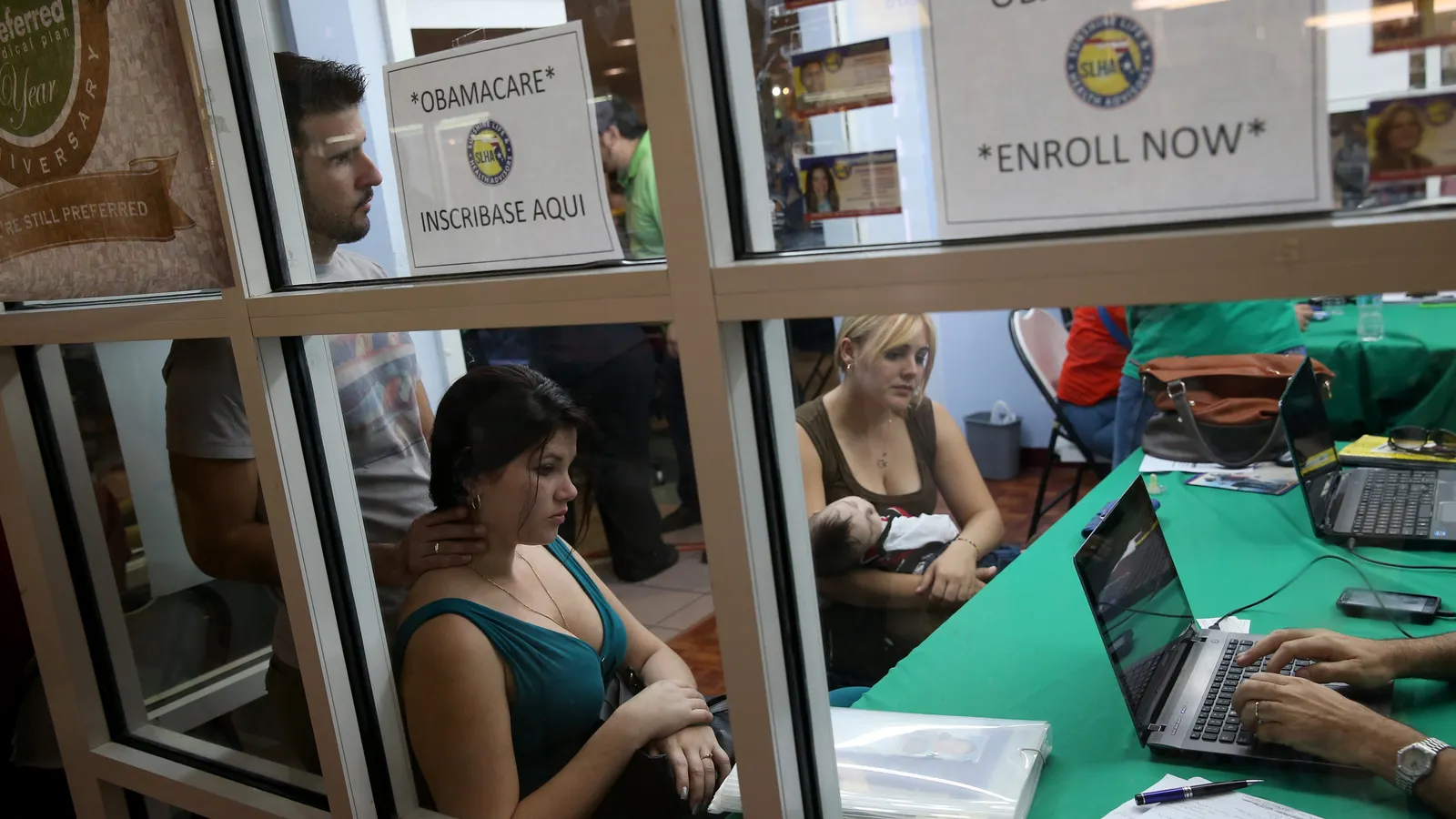
In a move that signals a fundamental shift in the administration of the Affordable Care Act (ACA), the Trump administration has unveiled a stringent new regulatory framework aimed at curbing what officials describe as systemic fraud within federal health insurance exchanges. Starting in plan year 2028, enrollees will be required to jump through significantly more hoops to verify their income, residency, and citizenship status before they can access taxpayer-funded financial assistance.
The new rules, which represent the latest chapter in the administration’s aggressive effort to restructure the ACA, mandate that the Centers for Medicare & Medicaid Services (CMS) verify critical eligibility data upfront. This marks a departure from current practices, which allow enrollees to access subsidies while the government confirms their documentation in the background.
The Push for “Common-Sense Reforms”
For the second Trump administration, the focus on the ACA has been clear and relentless. The administration characterizes these latest changes as "common-sense reforms" designed to ensure that federal subsidies are only distributed to those strictly eligible under federal law.
Treasury Secretary Scott Bessent, in a formal statement released on Friday, underscored the administration’s position: "Hardworking American taxpayers should not be forced to subsidize health care for people who are ineligible under federal law. We are restoring integrity to a system that has, for too long, operated on the honor system at the expense of the public purse."
This policy is part of a broader, multi-pronged strategy to reduce the footprint of the ACA. Earlier initiatives have already set the stage for these more restrictive measures:
- Registration Freezes: The administration has frozen new registrations for health insurance brokers for the 2027 plan year, citing a need to audit the sales force.
- Enrollment Purges: CMS successfully removed more than 700,000 purportedly unauthorized or fraudulent enrollments, including deceased individuals and duplicate entries, from the exchange rolls.
- Stricter Eligibility Criteria: New rules have been enacted to limit eligibility for catastrophic coverage plans, further tightening the belt on who qualifies for federal support.
A Chronology of the ACA’s Recent Transformation
To understand the current landscape, one must look at the rapid series of events that have defined the last eighteen months of health policy.
- July 2025: President Donald Trump signed the "Big Beautiful Bill," a comprehensive reconciliation package that initiated deep cuts to Medicaid and established the legal framework for restricting ACA exchange eligibility.
- Late 2025: Congress, led by a Republican majority, allowed the enhanced premium subsidies introduced during the prior administration to expire. This decision triggered an immediate spike in monthly premiums for millions of Americans.
- Early 2026: As premiums surged, enrollment began to decline sharply. By June 2026, data indicated that 4.6 million fewer people were enrolled in ACA coverage compared to the same period in 2025—a staggering 18% drop.
- October 2026: The administration announces the new pre-enrollment verification mandate, scheduled for full implementation in the 2028 plan year, effectively ending the "grace period" for documentation.
The Mechanics of the New Verification Regime
Currently, individuals qualify for premium tax credits if their household income falls between 100% and 400% of the federal poverty level, with additional cost-sharing reductions available for those between 100% and 250%. Under the current system, the CMS allows enrollees to begin receiving these subsidies immediately upon application, with a window of time provided to submit the necessary supporting documentation.
The new regulation closes this "loophole." Beginning in 2028, the CMS will implement a mandatory verification period starting August 1 of each year, well before the standard open enrollment period. Before an individual can receive a single dollar of financial assistance, the agency must confirm:
- Household income and family size.
- Citizenship or lawful immigration status.
- Residency status.
- Ineligibility for other forms of comprehensive health coverage.
Furthermore, these checks will not be a one-time hurdle. Enrollees will be required to recertify their status annually to maintain their access to subsidies. The CMS contends that this early start date gives consumers ample time to gather documentation, but critics argue that the sheer complexity of the process will serve as a de facto barrier to entry for the most vulnerable populations.

Impact Analysis: The Cost of Compliance
The administration’s own projections reveal the potential scale of the fallout. The CMS estimates that the new verification requirements will lead to approximately 237,000 enrollees leaving federal exchanges each year. An additional 95,000 individuals are expected to drop out of state-run plans.
These figures represent a significant reduction in the covered population, raising concerns among health policy analysts about a potential "coverage cliff." For many lower-income families, the administrative burden of locating and submitting tax returns, proof of residency, and legal status documentation is high. If the digital portal or the verification process encounters technical delays—a common occurrence in government IT projects—eligible citizens may find themselves priced out of the market entirely during the critical enrollment window.
Broader Implications for the Health Insurance Market
The cumulative effect of the "Big Beautiful Bill" and these subsequent regulations has fundamentally altered the American health insurance landscape. By restricting eligibility and allowing subsidies to expire, the administration has effectively shifted the individual market away from the broad-access model envisioned by the ACA’s architects toward a more restrictive, means-tested system.
The Brokerage Crisis
The freezing of new broker registrations for 2027 has created a bottleneck in the marketplace. Brokers are often the primary navigators for consumers, helping them understand their options and complete the complex enrollment process. By limiting the number of active, verified brokers, the administration is further thinning the support network available to prospective enrollees, which could compound the difficulty of complying with the new, stricter verification requirements.
The Medicaid-Exchange Intersection
The 2025 reconciliation bill’s cuts to Medicaid have forced many individuals to migrate to the ACA exchanges. Now, as those exchanges become more difficult to access, there are growing fears about a rise in the uninsured rate. With 4.6 million people already off the rolls as of mid-2026, the additional 300,000-plus people expected to be sidelined by the new verification rules could push the total number of uninsured Americans to levels not seen since the pre-ACA era.

Looking Ahead: The 2028 Horizon
As the industry prepares for the 2028 rollout, stakeholders are bracing for a period of extreme administrative volatility. Insurers are concerned about the impact on risk pools; if only the most determined and stable populations manage to navigate the verification process, the risk pool could become less diverse, potentially leading to further premium volatility.
Conversely, the administration remains firm in its commitment to its stated goals. For the White House, the "Big Beautiful Bill" and the subsequent regulatory tightening are not just policy adjustments—they are a fulfillment of a promise to recalibrate the role of the federal government in personal healthcare.
Whether these changes lead to a leaner, more efficient system or a significant reduction in the availability of affordable care remains the central question of the current era. For now, the message from Washington is clear: the era of streamlined, rapid enrollment is over, and a new, more rigorous era of verification has begun. Consumers, brokers, and insurers must all prepare for a significantly more difficult path toward coverage in the years to come.