











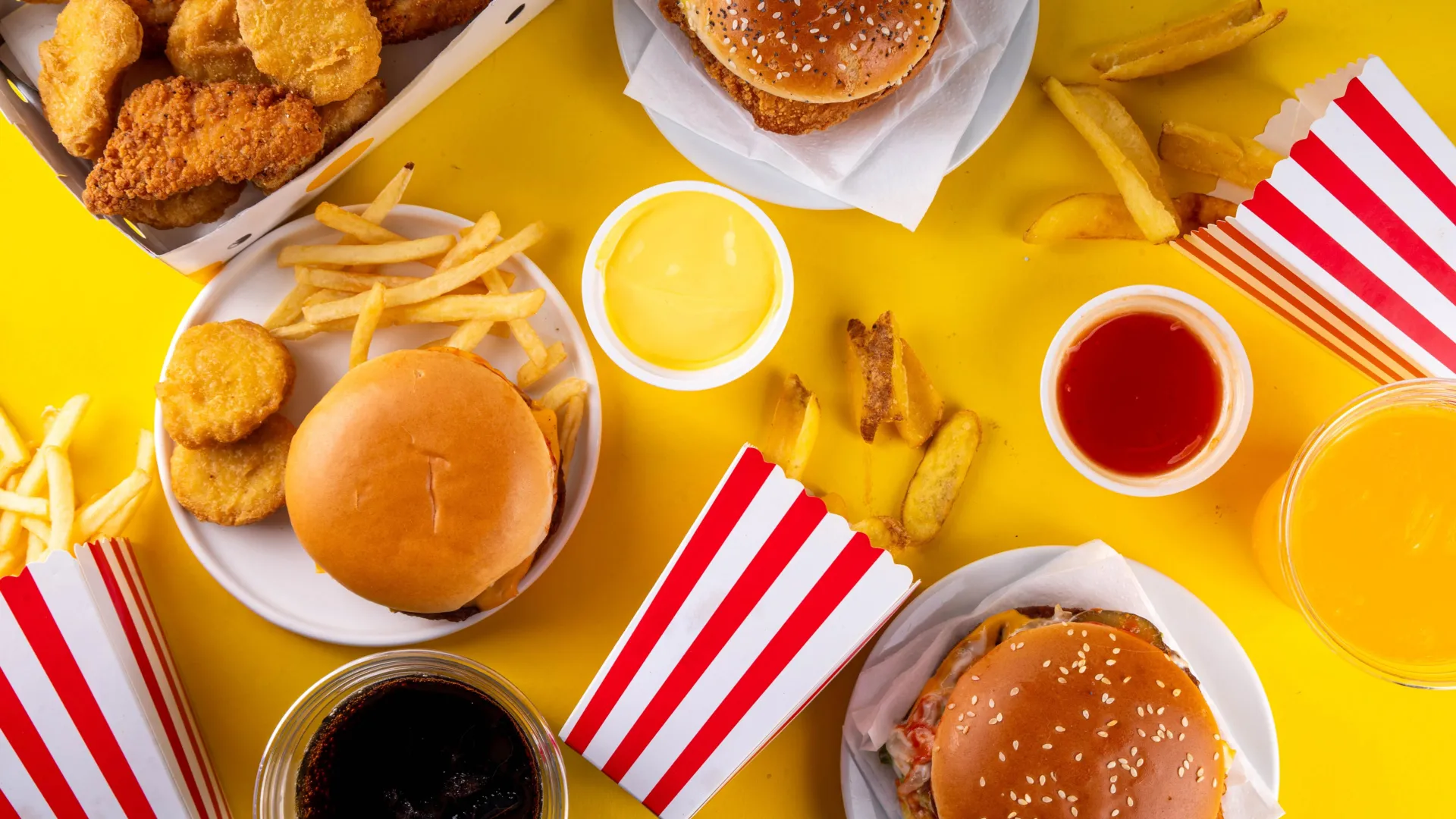
For years, the nutritional narrative has been dominated by a single, ominous umbrella term: "ultra-processed foods" (UPFs). From supermarket aisles to wellness blogs, consumers have been warned that any food undergoing significant industrial processing is inherently detrimental to health. However, a landmark study published in the journal PLOS Medicine is now challenging this monolithic view, suggesting that the industry-standard definition of "ultra-processed" may be obscuring more nuance than it reveals.
Led by Erikka Loftfield of the National Cancer Institute (NCI), the study—which tracked more than 460,000 Americans over nearly two decades—found no broad, blanket association between the total consumption of ultra-processed foods and the incidence of colorectal cancer (CRC). Instead, the data suggests that when it comes to long-term health, the nutritional content of what we eat remains a far more reliable predictor of risk than the degree of processing it underwent in a factory.
The Evolution of the UPF Debate
Ultra-processed foods—a category that includes everything from mass-produced bread and breakfast cereals to sausages and sugary snacks—now account for more than 50% of the average American adult’s caloric intake. As rates of chronic disease have climbed, the scientific community has increasingly scrutinized these foods. The Nova classification system, which defines ultra-processed foods as formulations containing substances not typically used in home cooking (such as high-fructose corn syrup, hydrogenated oils, and artificial flavors), has become the gold standard for researchers.
However, the category is notoriously broad. It groups together fiber-rich, fortified breakfast cereals alongside nitrate-heavy processed meats. By treating these vastly different items as a singular risk factor, the current public health discourse may be missing the forest for the trees. The NCI study, published on October 15, serves as a critical course correction, urging experts and consumers alike to look past the label and toward the specific chemical and nutritional composition of individual food items.
A Massive Longitudinal Undertaking: The Study Chronology
The research was built upon the formidable foundation of the NIH-AARP Diet and Health Study, an initiative that has provided some of the most robust data on the American diet over the last 30 years.
The Baseline (1995–1996)
The study began in the mid-90s, enrolling 461,682 participants aged 50 to 71. At the time of recruitment, participants completed comprehensive dietary questionnaires. These surveys were designed to quantify food frequency and portion sizes, allowing researchers to categorize their diets based on the level of industrial processing.
The Follow-Up Period (1996–2018)
Participants were tracked for a median of 18.8 years. During this nearly two-decade window, researchers cross-referenced dietary data with cancer registries to identify instances of colorectal cancer. By maintaining such a massive cohort over such a long duration, the team was able to observe how dietary patterns in late middle age influenced health outcomes well into the participants’ senior years.
The Analysis
The research team employed sophisticated statistical modeling to determine whether total UPF intake correlated with CRC incidence. The initial findings were unexpected: when looking at the entire category of UPFs as a single block, there was no significant uptick in cancer risk for high-consumption groups. It was only when the team "peeled the onion" and broke the data down into specific food groups that the complex, contradictory reality of modern nutrition became clear.
Dissecting the Data: The "Good" and "Bad" of Processing
The study’s most significant contribution is its granular analysis of how specific ultra-processed foods behave differently in the body. The findings suggest that the method of processing is not the primary driver of risk; rather, it is the underlying nutritional profile of the food itself.
The Protective Influence of Fiber and Dairy
Researchers observed that higher consumption of ultra-processed whole grains, dietary fiber, and dairy products—all of which fall under the "ultra-processed" umbrella—was actually associated with a lower incidence of colorectal cancer. This is a crucial finding, as it indicates that the nutritional benefits of fiber, calcium, and whole grains can persist even when those foods have been processed or fortified by industrial means.
The Risk Factor of Processed Meats
Conversely, the study reaffirmed long-standing concerns regarding meat. Higher consumption of ultra-processed meat products was strongly associated with a higher incidence of colorectal cancer. This dichotomy illustrates why labeling all UPFs as "harmful" is scientifically imprecise. A bowl of fortified, high-fiber cereal and a serving of sodium-nitrate-cured deli meat occupy the same "ultra-processed" category but exert radically different influences on the human colon.
The 10% Substitution Rule
The study also explored the hypothetical impact of dietary shifts. The analysis suggests that replacing just 10% of a person’s ultra-processed food intake with minimally processed, whole-food alternatives could result in a 2% lower incidence of colorectal cancer. While a 2% reduction may seem modest, across a population of millions, such a shift could translate into thousands of averted cancer cases annually.
Official Perspectives: Translating Findings into Policy
The research team, led by Dr. Loftfield, is cautious about oversimplifying their findings. They emphasize that while the "ultra-processed" label is flawed, current dietary guidelines for colorectal cancer prevention—which emphasize fiber, whole grains, and limited meat consumption—remain as relevant as ever.
"In this large population of older US adults, we did not observe an association between total ultra-processed food (UPF) intake and colorectal cancer incidence," Dr. Loftfield stated. "However, when we looked at food groups… we found that associations were in line with current dietary guidance for colorectal cancer prevention."
This perspective acts as a bridge between older, ingredient-focused nutritional science and the newer, processing-focused paradigm. The researchers argue that instead of a blanket avoidance of UPFs, public health policy should focus on promoting the quality of the diet. If a food provides essential nutrients like fiber or calcium, its processing status may be secondary to its overall impact on gut health and microbiome stability.
Limitations and Considerations
While the study is a monumental effort, the authors are the first to acknowledge its limitations.
- Demographic Skew: The cohort was predominantly older, white Americans. The results may not be generalizable to younger generations or more diverse ethnic and racial groups, who may have different dietary habits and genetic predispositions.
- The "Snapshot" Problem: Dietary information was collected only once, at the start of the study. This creates a limitation, as researchers could not account for changes in eating habits over the subsequent 18 years.
- Evolution of the Food Supply: The food landscape changed drastically between 1996 and 2018. The types of additives and processing techniques available in 2018 were far more diverse than those in 1996, meaning the study may have slightly underestimated the prevalence of ultra-processed intake.
- Observational Nature: As an observational study, it establishes correlation rather than causation. While the patterns are clear, the study cannot definitively prove that the foods themselves caused the cancer risk, as other lifestyle factors—such as physical activity and smoking—also play significant roles.
Implications for the Future of Nutrition
The takeaway for the public is both liberating and challenging. It suggests that consumers do not need to live in fear of every packaged item on the shelf. Instead, the focus should shift to reading nutrition labels with a more critical eye. Does this product contain high levels of fiber and whole grains? Or is it primarily processed meat and refined sugars?
For policymakers and nutritionists, this study serves as a warning against the dangers of "nutritional reductionism." By categorizing foods solely by their processing level, we risk stigmatizing nutritious foods that happen to be manufactured in a factory, while potentially failing to adequately warn against specific ingredients like processed meats that pose a proven risk.
Ultimately, this research suggests that the "ultra-processed" debate is far from settled. The future of nutrition science lies in a more nuanced understanding of food chemistry—one that values the nutrient profile of a meal over the degree of industrial intervention it required to reach the plate. As we move forward, the goal should be to encourage diets that prioritize nutrient density, regardless of whether those nutrients are found in a whole-wheat stalk or a shelf-stable box of fiber-fortified cereal.