









Executive Summary: The Anatomy of a Planetary Crisis
As geopolitical tensions reach a fever pitch, the prospect of a renewed kinetic military campaign against Iran has moved from a theoretical policy debate to a potential trigger for a global systemic collapse. While proponents of such a strike often frame it as a targeted surgical operation to neutralize military threats, economic analysts and security experts warn that the reality would be far more catastrophic.
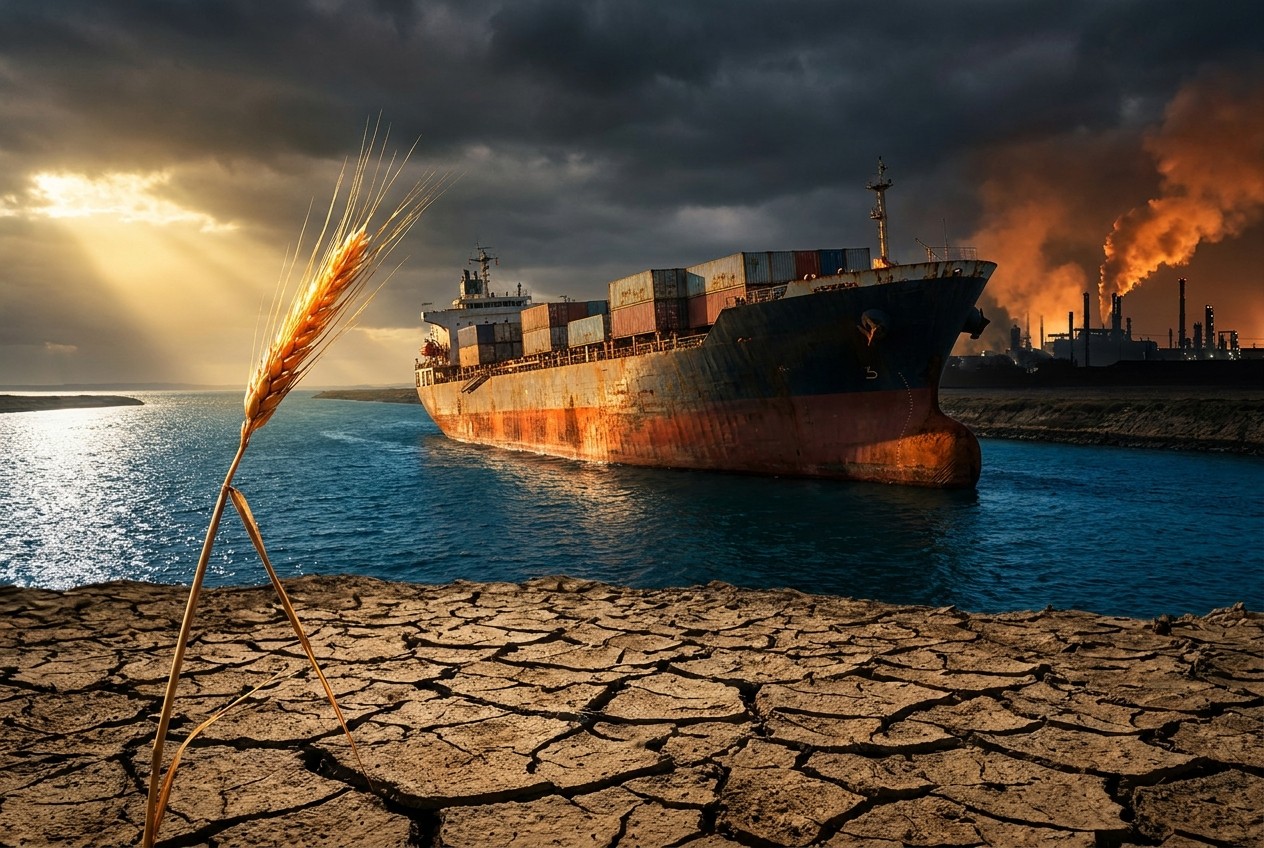
At the center of this looming crisis lies the Strait of Hormuz, a narrow maritime chokepoint through which approximately 20% of the world’s total petroleum consumption passes. Unlike regional conflicts of the past, an attack on Iran is not merely a military skirmish; it is an assault on the global metabolic rate—the energy, food, and industrial supply chains that sustain modern civilization. The potential fallout—a 30 to 40 percent contraction of global GDP—would arguably surpass the economic devastation of the 1929 Great Depression, triggering a decade-long era of scarcity, famine, and geopolitical instability.
Chronology of Escalation: From Rhetoric to Reality
The current trajectory of U.S.-Iran relations follows a pattern of escalating rhetoric that historical analysts suggest is nearing a point of no return.
- Phase I: The Rhetorical Build-up: Throughout the current election cycle, domestic political pressures in both the United States and Israel have intensified. Analysts argue that the push for military action is being driven by the need for political consolidation, using the threat of war to distract from internal governance failures and declining approval ratings.
- Phase II: Infrastructure Targeting: Intelligence reports have repeatedly indicated that Iran has signaled a "scorched earth" policy regarding regional energy infrastructure. Should a kinetic strike occur, retaliatory measures are expected to target the very refineries, LNG trains, and oil terminals that fuel the global economy.
- Phase III: The "Flash" Moment: Military strategists warn that the window between the first missile launch and the subsequent closure of the Strait of Hormuz is measured in hours, not days. This "flash" event would effectively sever the central artery of the world’s commodity markets.
- Phase IV: The Cascading Collapse: Post-strike, the transition from an energy shock to a systemic supply chain failure is projected to occur within a single growing season, as fertilizer shortages and transportation logjams cripple agricultural output.
Supporting Data: The Interconnected Web of Global Dependency
The establishment narrative often minimizes the risk by compartmentalizing the conflict. However, the data paints a picture of extreme, fragile interdependence.
The Energy-Fertilizer Nexus
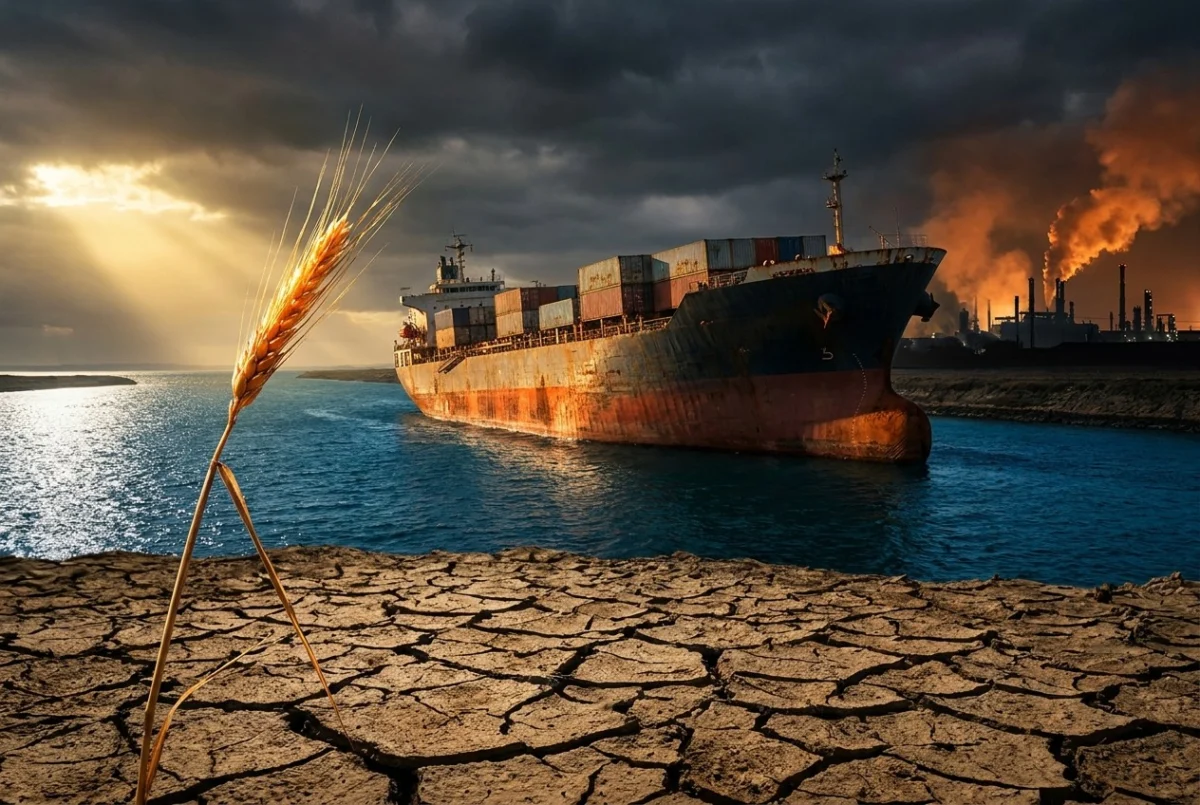
The most critical, yet least understood, consequence of an energy war is the impact on food security. Natural gas is the fundamental feedstock for the Haber-Bosch process, which synthesizes ammonia for nitrogen-based fertilizers. A sustained attack on Persian Gulf gas fields would lead to a catastrophic drop in agricultural yields globally. We are not merely talking about higher grocery prices; we are talking about the inability to produce the caloric volume required to feed billions of people.
The Sulfur and Metals Crisis
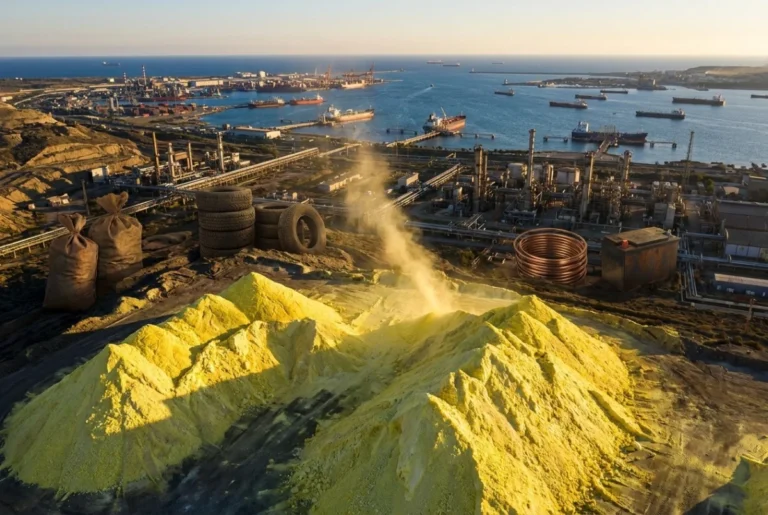
Modern industry relies on elemental sulfur and sulfuric acid to refine everything from copper to zinc. As current reporting on the global sulfur crisis suggests, the supply chain is already under immense strain. A military conflict in the Gulf would serve as the final severance point for these inputs. Without sulfuric acid, copper mining for the global electrification grid grinds to a halt. The chain reaction is relentless: Energy -> Fertilizer -> Food -> Mining -> Infrastructure. Once this chain is broken, the repair timeline is measured in years, as infrastructure projects of this magnitude are not easily or quickly reconstituted.
Debt and the Financial Multiplier
The global financial system is currently leveraged against nearly $40 trillion in U.S. debt. This leaves no "slack" in the system to absorb a massive energy shock. Historical economic models suggest that a 20 percent energy price spike—when compounded by supply chain destruction—results in a multiplier effect that could contract global GDP by as much as 40 percent. In such an environment, the U.S. dollar, already under pressure, would face a dual crisis: a loss of purchasing power and a desperate need for the very energy it can no longer secure.
Official Responses and Political Motivations
The political establishment in Washington and Tel Aviv remains locked in a narrative that justifies kinetic action as a necessity for "national security." However, critics point out that this "security" is defined narrowly, excluding the safety and economic stability of the global populace.
- The War Party Perspective: Advocates for the strike emphasize the necessity of neutralizing Iran’s military capabilities and regional influence. They argue that inaction is a sign of weakness that emboldens adversaries.
- The Realist Critique: Counter-arguments suggest that the war is a performative political tool. For Benjamin Netanyahu, a war serves to unify a fractured domestic political landscape. For Donald Trump, the narrative of "toughness" is used to bolster his image among a base that prioritizes strength over complex geopolitical outcomes.
- The Ceasefire Precedent: The fact that previous escalation attempts were paused suggests that even the primary actors recognize the "abyss" they are standing over. Yet, the momentum of the "war party" continues to push toward an inevitable confrontation, prioritizing short-term political gains over long-term planetary survival.
Implications: A New Era of Scarcity and Control
The aftermath of such a conflict would not be a mere recession; it would be a fundamental restructuring of society.
The Threat to Civil Liberties
As the economy contracts, governments are expected to turn to authoritarian measures to maintain order. The implementation of martial law, digital food rationing, and the introduction of Central Bank Digital Currencies (CBDCs) are seen by analysts as the inevitable response to the resulting chaos. A manufactured crisis provides the perfect pretext for rolling out control mechanisms that would otherwise be rejected by a free society. If people are frightened and hungry, they are far more likely to trade their remaining autonomy for the promise of state-provided relief.
The Collapse of Abundance
For decades, the developed world has operated under the illusion of permanent abundance. Most citizens have no practical experience in food production, mechanical repair, or resource management. When the supply chain fails and the shelves empty, the resulting panic in a highly armed society could be catastrophic. The "Mad Max" scenario—characterized by barter, fuel riots, and the breakdown of public infrastructure—is not a distant hypothetical, but a logical endpoint for a society that has offloaded all its basic survival skills to a fragile, globalized corporate system.
The Necessity of Localized Resilience
In the face of these projections, the most rational course of action is to shift from global dependency to local resilience. The "smart money" is currently moving toward tangible assets: solar power, battery storage, food production, and water catchment.
This is not "doomerism"; it is a pragmatic assessment of risk. When the grid fails and the transport networks are shuttered, the ability to generate power, grow food, and communicate locally will be the only currency that matters.
Conclusion: The Choice Between Restraint and Ruin
The decision to launch a kinetic attack on Iran is a choice between a difficult path toward regional diplomacy and a catastrophic, decade-long era of darkness. The establishment will likely continue to frame this war as a necessary action to protect national interests, but the true cost will be paid by ordinary families in every corner of the planet.
We are currently in a window of opportunity where preparation is still possible. Whether through local gardening, energy independence, or the pursuit of independent information, the time to build resilience is now. The "bang" of this conflict, should it occur, will leave no nation untouched. Leaders must choose restraint, not because they are weak, but because the alternative is a systemic collapse from which the modern world may never fully recover. The window is closing; the time for rational action is running out.