








Pancreatic ductal adenocarcinoma (PDAC) has long been considered one of medicine’s most formidable adversaries. Often dubbed the "silent killer," it frequently remains undetectable until it has progressed to advanced, terminal stages. However, a breakthrough in artificial intelligence—a framework known as REDMOD—is now offering a paradigm-shifting solution. By identifying microscopic, imperceptible changes in pancreatic tissue years before they become visible to the human eye, this technology promises to transform a late-stage diagnosis into a proactive, treatable medical event.
The Challenge of Early Detection
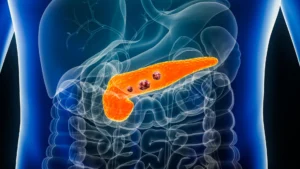
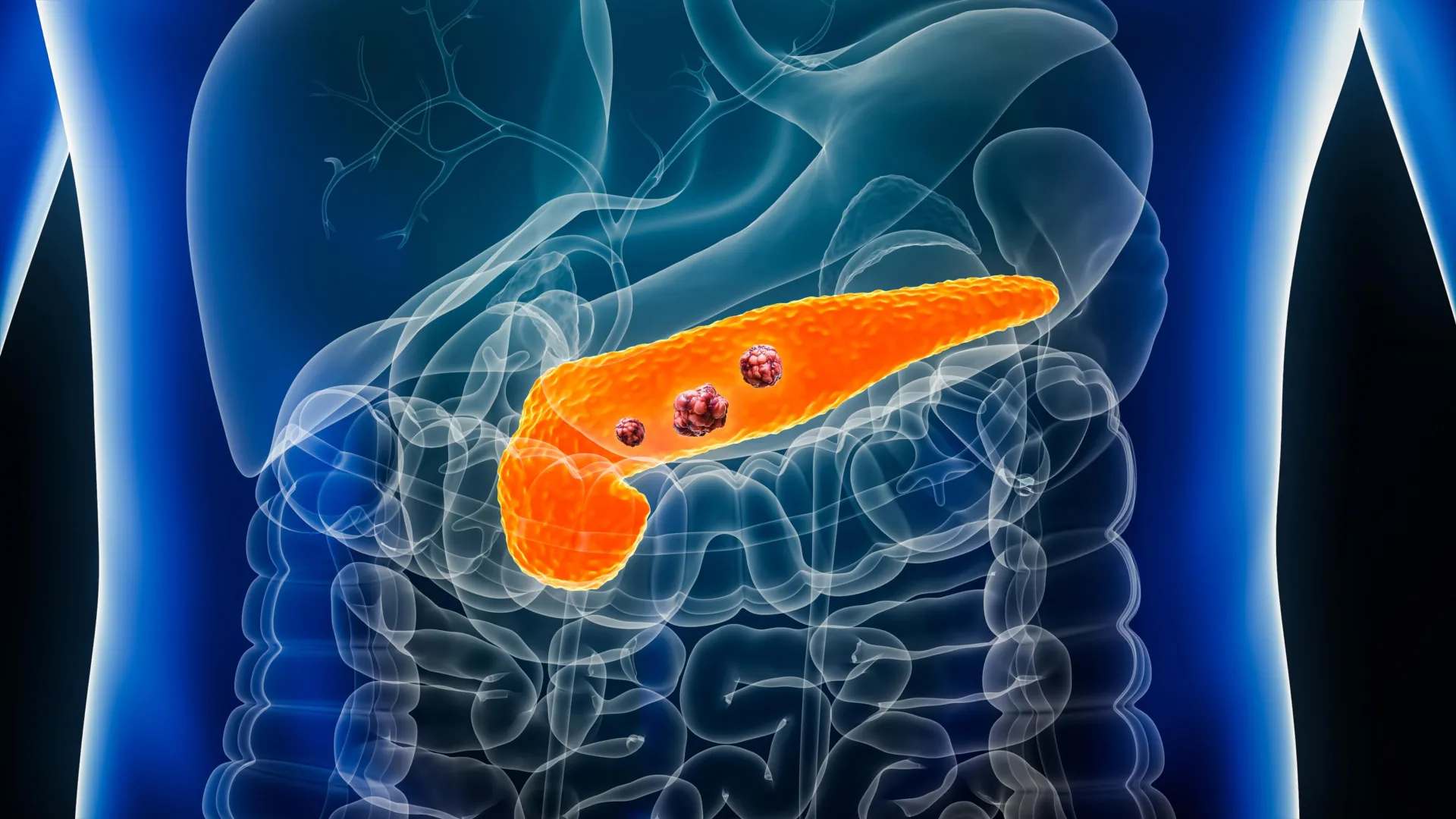
Pancreatic cancer is notoriously difficult to diagnose because the pancreas is deeply situated within the abdomen, and early-stage tumors often produce few, if any, symptomatic red flags. By the time a patient presents with jaundice, unexplained weight loss, or abdominal pain, the disease has often metastasized, leaving few curative options. Standard medical imaging, such as computed tomography (CT) scans, is highly effective for spotting established tumors, but it often fails to pick up the "pre-cancerous" whispers of tissue transformation.
The Radiomics-based Early Detection MODel (REDMOD) was engineered to overcome these physiological and diagnostic hurdles. Unlike traditional diagnostic methods that rely on the visual pattern recognition of a radiologist, REDMOD utilizes "radiomics"—the extraction of quantitative, high-dimensional data from medical images. By analyzing the fine-grained texture of pancreatic tissue, the system can identify patterns that represent the early, molecular-level shifts associated with the onset of adenocarcinoma.
Chronology of a Breakthrough
The development and validation of REDMOD represent a rigorous multi-year effort to translate deep learning into clinical utility.
The Retrospective Trial
To evaluate the model’s efficacy, researchers conducted a retrospective study examining the abdominal CT scans of 219 patients who were eventually diagnosed with pancreatic cancer. Critically, these scans were obtained before the patients had received an official diagnosis.
- The 3-12 Month Window: For 87 patients, the AI analyzed scans taken less than a year prior to their clinical diagnosis.
- The 1-2 Year Window: For 76 patients, the scans were retrieved from a period 12 to 24 months before clinical confirmation.
- The Long-Lead Window: For 56 patients, the AI successfully flagged anomalies in scans taken more than two years—up to three years—before doctors identified the disease.
The researchers matched this group with 1,243 individuals who remained cancer-free for at least three years, ensuring the data was adjusted for age, sex, and scan timing to maintain statistical integrity.
The Findings
The results were striking. REDMOD successfully identified imaging signatures associated with future pancreatic cancer an average of 475 days before the clinical diagnosis was made. This "temporal window" is considered the "holy grail" of oncology: the time during which the cancer is localized, manageable, and potentially curable.
Supporting Data: AI vs. The Human Eye
One of the most compelling aspects of the study is how REDMOD performed against human expertise. In comparative trials, the AI framework demonstrated a level of sensitivity that far eclipsed that of experienced radiologists.
Sensitivity and Accuracy
Sensitivity—the ability of a test to correctly identify those with the disease—is vital in cancer screening to avoid "false negatives."
- Overall Performance: REDMOD achieved a sensitivity of 73%, whereas human radiologists achieved only 39%.
- Early Detection: When analyzing scans taken more than two years before diagnosis, the gap widened significantly. REDMOD flagged 68% of these cases, while human radiologists identified only 23%.
The system also exhibited high specificity—the ability to correctly identify those without the disease—achieving an 81% success rate in an independent cohort of 539 patients and an 87.5% success rate in the NIH-PCT dataset. Furthermore, the model’s internal consistency was remarkably high; when analyzing sequential scans of the same patient, the AI produced matching results in up to 92% of cases, reinforcing that it was tracking biological reality rather than random imaging noise.
Technical Innovations: Beyond Pattern Recognition
The strength of the REDMOD framework lies in its automated "preprocessing" capabilities. In conventional radiology, a specialist must manually outline the boundaries of the pancreas to isolate it from surrounding organs—a time-consuming process prone to inter-observer variability.
REDMOD automates this segmentation process. By utilizing a standardized, computer-driven approach to isolate the pancreas, the system eliminates human error, ensuring that the texture analysis is performed on the same anatomical parameters every time. This consistency is what allows the system to detect "Stage 0" disease—the earliest possible point of intervention—when the tissue changes are so subtle they are effectively invisible to the naked eye.
Official Responses and Clinical Implications
The research team, publishing their findings in the journal Gut, emphasizes that the timing of diagnosis is the most critical determinant of survival. They note that modeling studies suggest shifting the proportion of localized pancreatic cancer diagnoses from 10% to 50% would more than double overall survival rates.
"This temporal window holds profound significance," the authors stated. "Attaining such early detection would substantially augment the probability of cure and improved survival."
However, the researchers remain measured in their optimism. They acknowledge that the current study, while robust, lacks the diversity of ethnic backgrounds necessary to ensure the AI functions equally well across all populations. Furthermore, they emphasize that the model must undergo prospective clinical trials—where it is tested in real-time on high-risk patients—before it can be integrated into hospital workflows.
Potential high-risk candidates for initial testing include patients who present with unexplained weight loss or the sudden onset of type 2 diabetes later in life, both of which are known clinical precursors or markers for pancreatic malignancy.
A Future of Proactive Interception
The introduction of REDMOD signifies a shift in the oncology paradigm: from "late-stage symptomatic diagnosis" to "proactive pre-clinical interception." By utilizing the vast, untapped data within routine CT scans, this framework offers a way to turn every standard abdominal scan into a powerful early-warning system.
While the journey to clinical implementation requires further validation, the implications are profound. For a disease that has historically left patients with few options, the ability to "see" the cancer before it manifests allows physicians to intervene while the window for a cure is still open.
As the medical community moves toward a future of AI-augmented diagnostics, REDMOD stands as a beacon of progress. It does not replace the radiologist; rather, it provides them with a "second pair of eyes"—a digital sentinel capable of detecting the earliest signs of disease, offering a new, tangible hope for thousands of patients annually. The path forward is now clear: rigorous prospective testing to turn this framework from a scientific achievement into a life-saving clinical standard.