









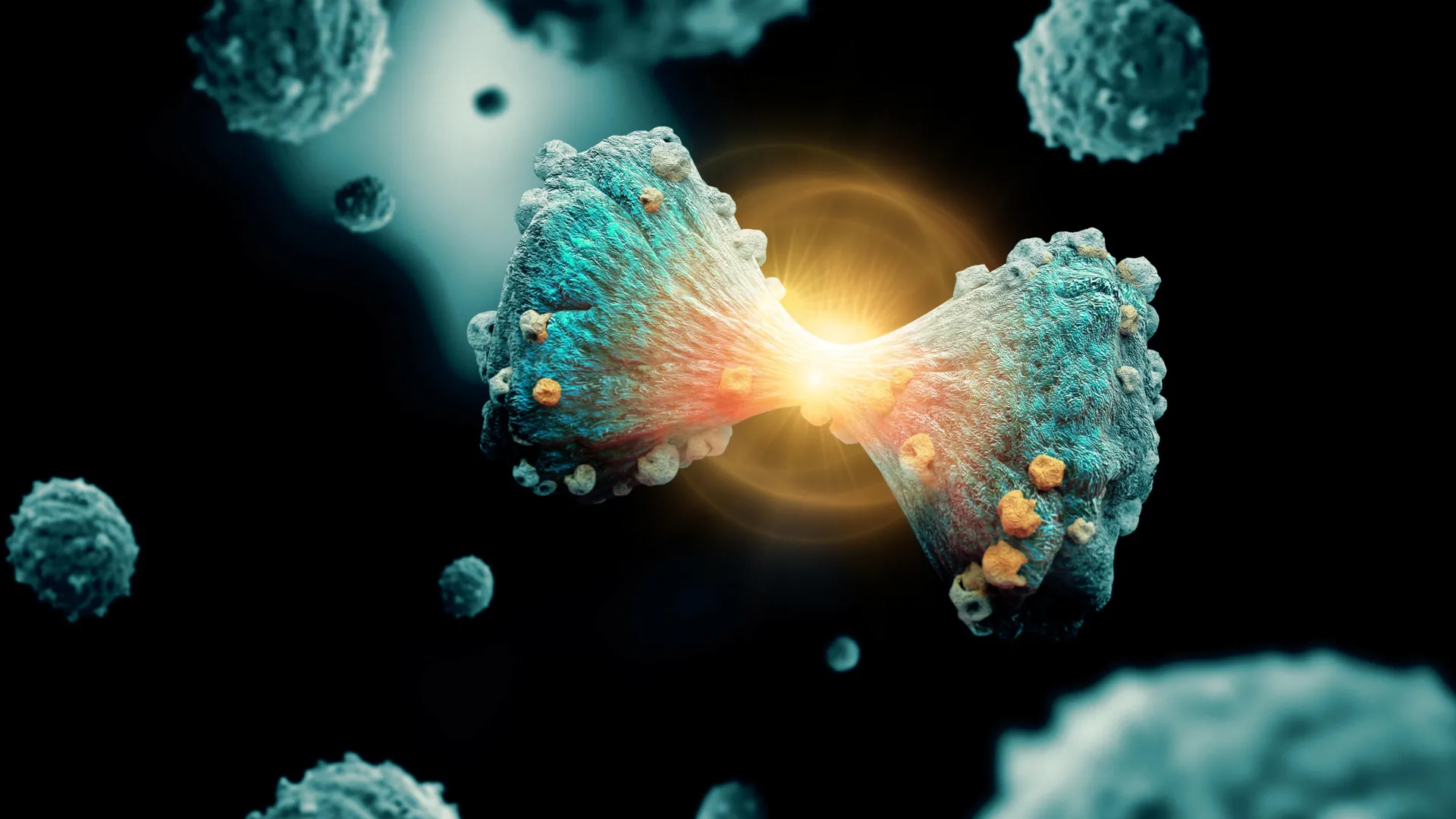
Pancreatic ductal adenocarcinoma (PDAC) has long been considered one of the most formidable adversaries in oncology. With a five-year survival rate hovering near a grim 15 percent, the disease is notoriously aggressive, often resistant to chemotherapy, and adept at evading the body’s natural immune defenses. However, a landmark study published in Nature Genetics on October 13 has provided what researchers describe as the most granular view of this cancer to date, revealing exactly how it "morphs" to survive.
By analyzing nearly half a million individual cancer cells, a multi-institutional team led by scientists at NYU Langone Health and its Perlmutter Cancer Center has uncovered the mechanisms behind the disease’s genetic plasticity. The findings suggest that pancreatic tumors are not monolithic entities but complex, ever-shifting ecosystems of distinct "clones" that constantly reorganize their DNA to resist treatment and metastasize.
The Complexity of the Enemy: Main Facts
At the heart of the investigation is the realization that pancreatic cancer cells are highly adaptive. While previous research categorized PDAC cells into two broad archetypes—the "classical" state (generally less aggressive) and the "basal" state (highly aggressive and prone to spreading)—the traditional method of analyzing cells in bulk masked the true nature of the disease.
By shifting the focus to single-cell analysis, the researchers identified that individual tumors harbor between two and 11 distinct clones. These clones do not remain static; they possess the capacity to switch between the classical and basal states. This "phenotypic switching" allows the tumor to stay one step ahead of therapeutic interventions. When a treatment targets one population of cells, the tumor’s internal genetic flexibility allows other, more resistant clones to flourish, effectively fueling the disease’s progression and recurrence.
A Chronology of Discovery: Mapping the Evolution
The journey to this discovery involved an unprecedented scale of data collection. The research team gathered 443,451 individual cells from 62 tumor samples, provided by 56 patients. Crucially, the researchers were able to secure longitudinal samples—tumor tissue collected from six of these patients both before and after chemotherapy. This allowed the team to create a "time-lapse" view of how the cancer’s genetic architecture reacts to the stress of treatment.
The Research Timeline:
- Data Collection: The team compiled a massive dataset of gene activity (transcriptomics) across diverse tumor samples, ensuring a representative look at the disease’s heterogeneity.
- The Single-Cell Paradigm Shift: By abandoning bulk analysis, the researchers were able to trace the genetic lineage of specific clones. This allowed them to link specific DNA copy number changes to the functional behaviors of the cells, such as their resistance to immune detection or their ability to invade neighboring tissues.
- Identification of Key Drivers: Through this mapping, the team zeroed in on specific genes that act as "switches" for the cancer’s aggressive behavior.
- Experimental Validation: The researchers validated their findings in laboratory models, successfully forcing aggressive basal-like cells to revert to a less dangerous, classical state by blocking specific gene pathways.
Supporting Data: Unmasking the Drivers of Aggression
The study’s most significant breakthrough lies in the identification of the MYC gene as a central architect of tumor aggression. In laboratory settings, the team observed that high activity of MYC was a hallmark of the most dangerous, basal-like cancer cell populations.
When the researchers inhibited MYC activity in these aggressive cells, the results were transformative: the cells shifted back toward the classical state. This reversal not only tempered the cancer’s invasive potential but also rendered the cells more visible to the immune system. This suggests that the "basal" state is not an irreversible fate for these cells, but a managed state that could potentially be "flipped" back to a less lethal configuration.
The Immune Evasion Puzzle
The research also shed light on why standard immunotherapies—which have been revolutionary in treating cancers like melanoma or lung cancer—often fail in pancreatic cancer. The team discovered a two-pronged mechanism of immune evasion:
- TIGIT Upregulation: Certain clones showed a marked increase in the activity of the TIGIT gene, which produces proteins that effectively "blind" the immune system to the presence of the tumor.
- PD1 Downregulation: Simultaneously, these same clones exhibited reduced activity in the PD1 gene. Because many current immunotherapies are designed specifically to target the PD1 pathway, this reduction explains why these drugs are frequently ineffective against PDAC; the target simply isn’t present in sufficient quantities to be exploited.
This discovery provides a blueprint for future drug development, suggesting that "multi-pronged" therapies targeting both TIGIT and other immune checkpoints may be required to break through the tumor’s defenses.
Official Responses and Expert Insights
The implications of the study have been met with cautious optimism by the scientific community. The research team emphasizes that while this work provides a new roadmap, it also underscores the extreme complexity of human cancer biology.
"Our study provides the most granular view to date of pancreatic ductal adenocarcinoma, revealing how ongoing genetic reshaping drives tumor evolution over the course of disease," stated Dr. Despoina Kalfakakou, the study’s lead investigator and a postdoctoral research fellow at NYU Grossman School of Medicine. She added, "These findings suggest that targeting the mechanisms underlying tumor evolution, including MYC, may help restrain the cancer’s rapid progression."
Dr. Aristotelis Tsirigos, the study’s co-senior investigator and a professor in the Departments of Medicine and Pathology at NYU Grossman School of Medicine, highlighted the broader significance of the methodology: "Our research also suggests that single-cell clonal analysis offers a better approach to understanding complex cancers… by mapping how tumors evolve and adapt at each stage of disease progression."
Dr. Tsirigos further noted the importance of the tumor microenvironment, stating, "More broadly, our study results highlight the critical role of clonal diversity, genetic plasticity, and interactions with the tumor’s microenvironment in shaping human pancreatic ductal adenocarcinoma biology."
Implications: A New Era for Precision Medicine
The publication of these findings in Nature Genetics marks a potential turning point for pancreatic cancer treatment. The transition from "one-size-fits-all" chemotherapy to precision medicine—tailored to the specific clonal makeup of an individual’s tumor—is now a tangible goal.
Future Treatment Avenues:
- MYC and TIGIT Inhibition: Clinical trials for drugs targeting MYC and TIGIT are already in progress. The study provides the scientific rationale to accelerate these trials and potentially combine them with other therapies to "trap" the tumor in a less aggressive state.
- Dynamic Treatment Regimens: Understanding that tumors change in response to chemotherapy suggests that treatment plans should be dynamic. By performing "liquid biopsies" or repeated sampling, clinicians might one day be able to track the evolution of a patient’s tumor clones in real-time, switching medications as the cancer shifts its genetic makeup.
- Overcoming Immune Resistance: By understanding the specific "blind spots" created by TIGIT and PD1 regulation, researchers can develop combination therapies that make the tumor "visible" again, allowing the patient’s own immune system to do the heavy lifting.
While the study was supported by significant institutions, including the National Institutes of Health and the Sky Foundation, the authors acknowledge that further research is required to translate these findings from the laboratory to the bedside. The next phase of this work will involve larger-scale clinical trials designed to test whether these genetic insights can ultimately improve survival rates for the thousands of patients diagnosed with this disease every year.
As science continues to peel back the layers of pancreatic cancer’s genetic camouflage, the dream of turning this once-uniformly lethal diagnosis into a manageable, treatable condition feels, for the first time in decades, like a reachable horizon.