









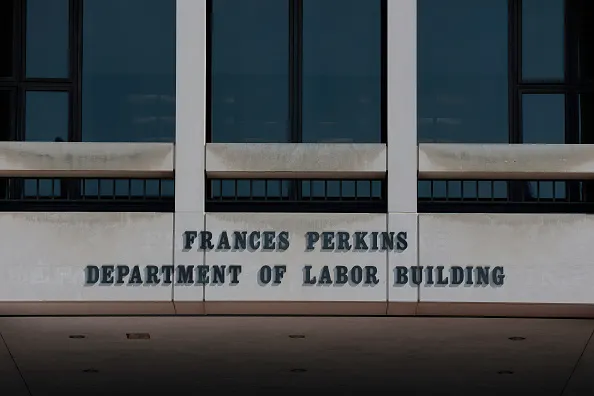
In a landmark regulatory shift aimed at curbing the ballooning costs of prescription drugs, the U.S. Department of Labor (DOL) finalized a sweeping rule on Thursday that forces Pharmacy Benefit Managers (PBMs) to peel back the curtain on their opaque business models. The rule, which is set to take effect in July 2027, mandates that PBMs—the powerful middlemen who negotiate drug prices and manage benefits—disclose comprehensive data regarding their compensation to self-insured employer clients.
Regulators project that this infusion of transparency will save employers and their workers a staggering $22 billion over the next decade. By providing plan sponsors with a clear view of the financial mechanics behind drug pricing, the administration hopes to empower employers to act as better stewards of their healthcare dollars, ultimately reducing the out-of-pocket costs that have increasingly burdened American families.
The Core Mandate: Bringing Hidden Fees to Light
For decades, PBMs have operated as the "gatekeepers" of the pharmaceutical supply chain. While they perform critical tasks—such as negotiating drug rebates with manufacturers, determining formulary placement, and processing claims—they have long been criticized for their lack of transparency.
Under the new DOL rule, PBMs will be legally required to provide exhaustive disclosures regarding their compensation during contract negotiations and renewals, as well as every six months thereafter. Employers will be granted the right to conduct formal audits of these disclosures annually.
Key elements that must now be disclosed include:
- Rebate Data: Any and all rebates negotiated with drug manufacturers on behalf of the plan.
- Spread Pricing: Details on the "spread"—the margin PBMs keep when they charge an employer more for a prescription than they pay the pharmacy to fill it.
- Other Compensation: A broad swath of payments received from pharmacies, manufacturers, and other entities within the supply chain.
The consequences for non-compliance are severe. PBMs that fail to provide this data face significant financial penalties and the potential invalidation of their service contracts, a move designed to ensure that transparency is not merely a suggestion, but a fundamental requirement of doing business with self-insured plans.
Chronology: From January Proposal to Final Rule
The path to this regulation has been marked by intense lobbying and a series of legislative battles.
- January 2026: The Department of Labor formally proposed the transparency rule, signaling a new, more aggressive stance on PBM oversight.
- Early 2026: Throughout the spring and summer, PBM industry groups, including the Pharmaceutical Care Management Association (PCMA), filed comments arguing that the rule was redundant and legally overreaching.
- Mid-2026: The passage of the Consolidated Appropriations Act (CAA) of 2026 introduced its own set of PBM transparency requirements, leading to further industry pushback that the DOL’s new rule was a duplicative "solution in search of a problem."
- October 29, 2026: The Department of Labor finalized the rule, explicitly stating that while it aligns with the CAA, it serves a distinct, complementary purpose: providing the upfront information necessary for employers to shop for and negotiate contracts effectively.
- July 2027: The effective date for the new compliance standards.
The Economics of Reform: Why Now?
The urgency behind this rule is driven by a stark reality: pharmaceutical spending is consuming an increasingly large share of employer health budgets. According to data from the advisory firm WTW, drug costs are projected to spike by 11.5% in 2026, a significant increase from the 9% growth observed in the prior year.
A report released by KFF just last week underscored the problem: less than half of large employers believe they currently possess sufficient insight into how much money pharmaceutical companies are funneling to their health plans or PBMs. This information asymmetry makes it nearly impossible for HR directors and benefits managers to know if they are receiving a fair deal or if they are being overcharged through hidden markups.
"Large employers pay for their workers’ prescriptions, but many can’t see how much of that money their PBM and any affiliated entity keeps," said James Gelfand, President and CEO of the ERISA Industry Committee. "This rule changes that. Employers will be able to check the numbers, ask hard questions, and hold their vendors accountable."
Official Responses: A Tale of Two Perspectives
The response to the rule has been sharply divided, reflecting the deep-seated tension between employer groups and the PBM industry.
The Government and Employer Perspective
Secretary of Labor Keith Sonderling framed the rule as a victory for the American workforce. "This is a win for every American worker who has ever paid too much at the pharmacy counter," Sonderling stated. "For years, PBMs have operated in the shadows, pocketing hidden fees while workers and employers were left in the dark."
Proponents of the rule, including transparent-model PBMs like Affirmed Rx, argue that the fight against the rule is evidence of guilt. "Anybody who fights this rule, in our opinion, and who is against this rule has something to hide," said Greg Baker, CEO of Affirmed Rx.
The PBM Industry Perspective
The Pharmaceutical Care Management Association (PCMA) remains the fiercest opponent of the rule. David Marin, President and CEO of the PCMA, characterized the regulation as "government overreach" and redundant.
"Full PBM transparency is already federal law," Marin argued, pointing to the Consolidated Appropriations Act. "Drug-by-drug, claim-by-claim, pharmacy-by-pharmacy transparency is already law. All of this has long made the DOL’s desire to create another reporting system unnecessary, redundant, and extraordinarily burdensome, particularly for smaller PBMs."
The PBM lobby also contends that the compliance costs—estimated by the DOL to reach $1 million in the first year alone—will disproportionately hurt smaller or mid-sized PBMs, potentially leading to market consolidation that could ironically reduce the competition the rule aims to foster.
Implications for the Future of Healthcare
The finalization of this rule is a major step forward, but experts caution that it is not a "silver bullet." The PBM market is dominated by the "Big Three"—Cigna’s Express Scripts, CVS’s Caremark, and UnitedHealth’s Optum Rx—which together control roughly 80% of all U.S. prescriptions.
1. Market Competition
The primary hope is that by exposing the "spread" and the "hidden rebates," employers will be able to compare PBMs on a more level playing field. If an employer can see that their current PBM is keeping a larger portion of the rebate than a competitor, they have the leverage to switch providers. This could force the Big Three to compete on lower prices rather than just their scale.
2. The Fiduciary Shift
Perhaps the most profound implication of the rule is the legal framing of PBMs. By defining what disclosure means and holding PBMs accountable from a fiduciary standpoint, the DOL is effectively moving toward treating these entities as true fiduciaries for their clients. This shift could lead to a wave of litigation if PBMs are found to be prioritizing their own profit margins over the cost-savings of the plans they manage.
3. The "Big Three" and Potential Breakups
The political climate remains hostile toward the consolidated power of the Big Three. Beyond this transparency rule, there are persistent calls for Congress to break up these conglomerates, arguing that their vertical integration—owning both the insurance plan and the pharmacy—creates an inherent conflict of interest that no amount of transparency can fully resolve.
4. Administrative Burden
While the transparency is a win for employers, the administrative complexity cannot be ignored. Small and medium-sized PBMs may struggle to update their reporting systems to meet the specific requirements of the DOL while simultaneously complying with the existing CAA mandates. The cost of this compliance will likely be passed on to clients, though the DOL estimates that the long-term savings will far outweigh these initial expenditures.
Conclusion
The Department of Labor’s final rule represents a significant shift in the balance of power within the U.S. pharmaceutical supply chain. By requiring PBMs to disclose their financial inner workings, the government is attempting to force a market that has long thrived on complexity to adapt to a standard of openness.
Whether this leads to a substantial reduction in drug prices for the average American remains to be seen. However, for the millions of employees covered by self-insured plans, the era of "hidden fees" is officially coming to a close. As the industry prepares for the July 2027 deadline, the spotlight on the Big Three PBMs will only grow brighter, ensuring that every dollar spent at the pharmacy counter faces unprecedented levels of scrutiny.