









In the digital age, nutrition science is often reduced to 60-second soundbites and provocative memes. Currently, no topic is more polarizing than the humble vegetable oil—or, as its detractors prefer to call it, "seed oil." From the rapid rise of the carnivore diet to viral TikTok trends, cooking oils like canola, soybean, and corn oil have been branded as "toxic sludge," "motor oil," and the hidden culprits behind a global epidemic of chronic disease.
But as the shouting matches on social media reach a fever pitch, the reality of lipid science remains nuanced. Are these oils truly the villain they are painted to be, or is the "seed oil hate" a classic case of correlation being mistaken for causation?
The Anatomy of the Controversy
To understand the current hostility toward vegetable oils, one must look at the history of modern dietary patterns. Proponents of the anti-seed-oil movement argue that animal fats—such as butter, lard, and tallow—have been part of the human diet for millennia, while industrial seed oils are a 20th-century invention born of profit-seeking agricultural corporations.
The core argument suggests that these oils were mass-marketed as "heart-healthy" alternatives to butter, yet their widespread adoption has coincided with rising rates of obesity, anxiety, depression, and autoimmune conditions like ulcerative colitis. Critics argue that these oils are chemically unstable, highly processed, and fundamentally incompatible with human biology.
Conversely, mainstream nutrition science maintains that when substituted for saturated fats, unsaturated fats found in seed oils can lower LDL cholesterol and reduce cardiovascular risk. To determine who is right, we must peer past the inflammatory rhetoric and examine how these fats are produced and metabolized.
A Chronology of Processing: From Seed to Bottle
The distinction between "healthy" oils and "processed" oils often comes down to the extraction method. Traditional, minimally processed fats like olive, avocado, and coconut oil are derived from fruit sources that are naturally high in fat. One can theoretically produce olive oil at home simply by pressing olives.
Vegetable oils, however, are a different story. They are typically derived from crops with a very low natural fat content, such as corn or soy. Because these plants do not yield oil through simple pressure, manufacturers must employ a rigorous, multi-step industrial process:
- Cleaning and De-hulling: Removing debris from the seeds.
- Grinding: Breaking the seeds down to increase surface area.
- Heating: Raising the temperature to facilitate oil flow.
- Solvent Extraction: Using chemical solvents like hexane to chemically leach every last drop of oil from the plant matter.
- Refining, Bleaching, and Deodorizing: Using high heat and chemicals to remove impurities, off-flavors, and odors, resulting in a shelf-stable, neutral-tasting product.
During this high-heat, industrial refining, delicate plant compounds and antioxidants are destroyed. Furthermore, the process can cause small amounts of unsaturated fats to transform into trans fatty acids. While the FDA banned the addition of industrial trans fats to processed foods in 2018, the process of heating oils to extreme temperatures—whether in a factory or a restaurant deep-fryer—still creates oxidative stress in the oil.

Supporting Data: Extra Virgin Olive Oil vs. Canola
When comparing different fats, the "gold standard" remains extra virgin olive oil (EVOO). EVOO is mechanically pressed without heat, preserving the olive’s natural polyphenols—plant compounds that fight inflammation and protect cells from oxidative damage.
Extensive research supports the cardiovascular benefits of EVOO. A study of 22,892 adults in Southern Italy found that those consuming more than two tablespoons of EVOO daily had a 20 percent lower mortality rate over 13 years compared to those consuming less than one tablespoon.
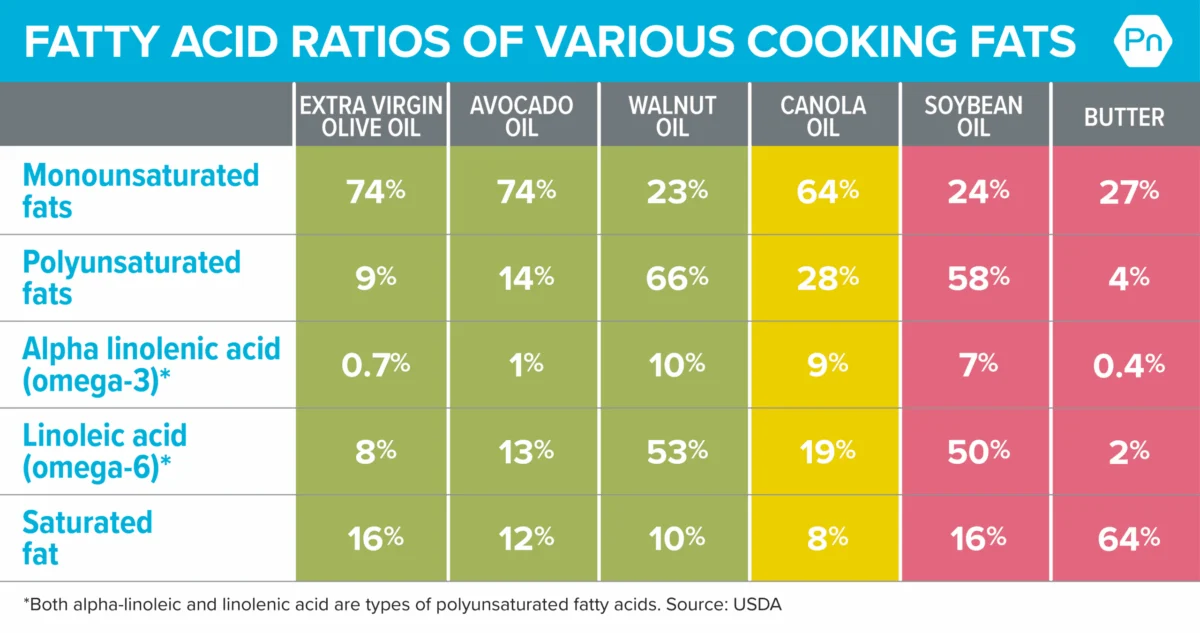
In contrast, expeller-pressed canola oil represents a middle ground. Canola is extracted mechanically without solvents, preserving more of its natural phytosterols and omega-3 fatty acids (specifically alpha-linolenic acid). While it lacks the dense concentration of antioxidants found in EVOO, it remains a budget-friendly option that is, at the very least, health-neutral.
The Omega-6 Inflammation Debate
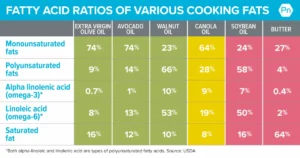
A primary point of contention in the anti-seed-oil movement is the ratio of omega-6 to omega-3 fatty acids. The modern Western diet is heavily skewed toward omega-6s, with some estimates suggesting a 16:1 or 20:1 ratio compared to omega-3s. Critics argue this imbalance triggers systemic inflammation, leading to chronic disease.
However, modern nutrition science is becoming more cautious about this claim. Many foods naturally rich in omega-6s, such as nuts and seeds, are definitively associated with lower heart disease and lower inflammation. The difference lies in the "food matrix." When you eat a walnut, you are consuming the oil alongside fiber, protein, and minerals. When you consume refined soybean oil, you are consuming the isolated lipid, stripped of all protective nutrients. The American Heart Association has noted that when omega-6 fats are consumed in the context of a healthy diet, they actually appear to reduce the risk of stroke and heart disease.
Official Stance and The Role of Ultra-Processed Foods
The most critical realization for the average consumer is that the danger of seed oils may not lie in the oil itself, but in the environment in which it is consumed.
The vast majority of refined vegetable oils are not consumed as a drizzle on a home-cooked meal; they are the foundation of the ultra-processed food industry. These oils are ubiquitous in chips, crackers, cookies, and frozen dinners. These foods are designed to be "hyper-palatable," calorie-dense, and addictive, while being void of fiber, vitamins, and minerals.
Scientific reviews involving nearly 10 million participants have linked high consumption of ultra-processed foods to premature death and a host of metabolic disorders. The oils in these products are often repeatedly heated and oxidized, which may indeed contribute to inflammatory markers. Therefore, the "toxic" nature of the oil may be a proxy for the overall "toxic" nature of an ultra-processed diet.

Implications for Your Kitchen
So, how should you navigate the grocery aisle? The evidence suggests three clear strategies:
1. Prioritize Whole-Food Fats
The healthiest way to consume fat is in its original, minimally processed state. Incorporate more olives, avocados, walnuts, chia seeds, and fatty fish into your diet. These sources provide essential fatty acids wrapped in a protective "package" of fiber and antioxidants.
2. Choose High-Quality Cooking Fats
For home cooking, extra virgin olive oil remains the superior choice due to its high polyphenol content and stability. If you are on a budget or prefer a neutral flavor, opt for expeller-pressed canola oil, or high-oleic sunflower/safflower oils, which have been linked to better cardiovascular outcomes than standard refined options.
3. Limit Deep-Fried and Ultra-Processed Foods
The most significant impact you can have on your health is to reduce the volume of ultra-processed, commercially fried foods in your diet. By capping your intake of processed products to roughly 20 percent of your total calories, you will naturally reduce your exposure to refined, oxidized seed oils without needing to obsess over every gram of fat in your pantry.
Conclusion: The Nuance of Nutrition
The "seed oil" debate is a reminder that in nutrition, simple villains are rarely the whole truth. While industrial refining processes are less than ideal, and the reliance on refined oils in the ultra-processed food industry is a genuine public health concern, the fear-mongering surrounding all plant-based oils ignores the established benefits of heart-healthy fats.
The goal is not to live in fear of a teaspoon of oil in your salad dressing, but to move toward a diet that prioritizes minimally processed, whole-food sources of fat. By focusing on the quality of the entire diet rather than demonizing a single ingredient, you can build a sustainable approach to health that survives the lifespan of any social media trend.