










By STAT News Reporting
October 29, 2026
In a sweeping move that promises to reshape the pharmaceutical supply chain, the Trump administration has finalized a landmark regulation requiring pharmacy benefit managers (PBMs) to disclose the entirety of their compensation structures. For decades, the “middlemen” of the American healthcare system—entities that sit between drug manufacturers, insurers, and patients—have operated behind a veil of proprietary secrecy. That era is now coming to a definitive close.
Under the new federal rule, released on Thursday, PBMs will be legally obligated to provide the employers and health plans that hire them with comprehensive reports detailing every dollar received from drug manufacturers, consulting firms, and third-party entities. The mandate, which takes effect on July 1, 2027, is designed to pierce the opacity that has long defined the PBM industry, potentially unearthing billions in hidden costs.
The Core Facts: What the New Rule Changes
For years, PBMs—the companies responsible for managing pharmacy benefits for millions of workers—have functioned as the primary gatekeepers of drug spending. They negotiate rebates with pharmaceutical manufacturers, design formularies that dictate which drugs are covered, and manage pharmacy networks.
The new regulation explicitly targets the "hidden" financial flows that have long fueled criticism of the industry. PBMs will now be required to disclose:
- Total Rebates: All discounts, rebates, and price concessions received from drug manufacturers.
- Spread Pricing: The difference between what a PBM charges an employer for a drug and what the PBM pays the pharmacy to dispense it.
- Consultant Kickbacks: Any financial relationships with brokers, consultants, or third-party advisors that may influence the PBMs’ recommendations to their employer clients.
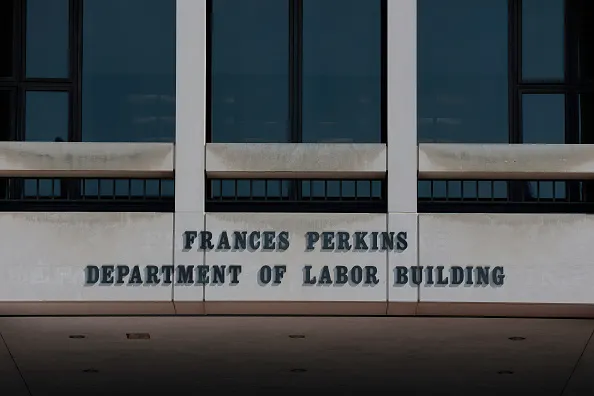
Federal officials estimate that the rule will impact roughly 70 major PBM entities and over 130,000 employer-sponsored health plans. The Department of Labor, which spearheaded the initiative, projects an annual saving of more than $800 million by allowing employers to finally see whether they are being overcharged for services.
A Chronology of the Regulatory Crackdown
The journey to this disclosure mandate was neither short nor uncontroversial. It represents the culmination of a multi-year effort by federal regulators to combat rising prescription drug costs.

- Early 2023: The Federal Trade Commission (FTC) launches a formal inquiry into the PBM industry, citing concerns over the market power of the “Big Three” PBMs—CVS Caremark, Express Scripts, and OptumRx.
- Late 2023 – Early 2024: Reports emerge detailing how consulting firms and brokers have played a role in steering employers toward PBM contracts that may not be in the employers’ best financial interests.
- Mid-2025: The Trump administration signals a shift in focus, prioritizing “administrative transparency” as a primary vehicle for lowering costs without needing massive legislative overhauls.
- October 2026: The Department of Labor finalizes the regulation, setting a 2027 deadline for compliance. This marks the most significant federal intervention in PBM operations since the introduction of the Medicare Part D program.
Supporting Data: The Cost of Opacity
The push for transparency is rooted in hard data. For years, independent analysts and the Government Accountability Office (GAO) have pointed to the disconnect between the list price of drugs and the net price paid by health plans.
PBMs have long argued that they pass the vast majority of manufacturer rebates back to their clients. However, the lack of itemized disclosure made it impossible for employers to verify these claims. Recent audits of self-insured employer plans have suggested that in some instances, as much as 15% to 20% of total pharmacy spend is absorbed by “administrative fees” and opaque spread pricing.
With over 130,000 employers set to receive granular data on these flows, the industry is bracing for a wave of contract renegotiations. Experts anticipate that as these fees are brought into the light, employers will move to shift from "spread pricing" models to "pass-through" models, where PBMs are paid a transparent administrative fee rather than retaining a percentage of the drug price.
Official Responses and Industry Pushback
The industry has been vocal in its opposition to the rule, with several trade groups and high-powered lobbying firms warning that the disclosure requirements go too far.
The PBM Perspective
Industry associations, including the Pharmaceutical Care Management Association (PCMA), have argued that the regulation risks exposing "trade secrets." They contend that revealing the specific terms of their contracts with drug manufacturers could diminish their bargaining power, potentially leading to higher prices for consumers.
"We believe in transparency, but it must be balanced," a spokesperson for a major PBM noted earlier this year. "If every competitor in the market knows the exact rebate structures and pricing strategies of their peers, the market will become less competitive, not more."
The Employer Perspective
Conversely, employer coalitions—representing some of the largest corporations in the United States—have lauded the move. For years, these companies have complained that they were “flying blind” when signing contracts with PBMs. The ability to audit these financial relationships is seen as a necessary check on an industry that has consolidated significantly over the last decade.

Implications: The Road to 2027
The implementation of this rule on July 1, 2027, will trigger a series of cascading effects throughout the healthcare ecosystem.
1. Legal Challenges
Given the threats of legal action previously voiced by industry lobbyists, legal experts expect the regulation to face immediate challenges in federal court. PBMs may argue that the Department of Labor has overstepped its regulatory authority under the Employee Retirement Income Security Act (ERISA). The outcome of these potential suits will determine whether the transparency mandate remains in its current, robust form.
2. Market Consolidation and Pivot
If the rule survives legal scrutiny, the PBM business model will face an existential threat. Many PBMs rely on the “float”—the gap between the price paid by the employer and the price paid to the pharmacy—to sustain their margins. If that revenue stream is forced into the light and subjected to competitive pressure, companies may move toward a “fee-for-service” model. This would change the PBMs’ role from “margin-makers” to “administrative processors.”
3. Impact on Drug Pricing
The ultimate goal of the Trump administration is to lower the final cost of drugs. By forcing PBMs to disclose their financial ties with consultants and brokers, the administration hopes to eliminate “pay-to-play” schemes where certain drugs are prioritized on formularies not because they are more effective or cheaper, but because they provide higher kickbacks to the middleman.
4. A New Era of Audits
The year 2027 will likely see a boom in the healthcare auditing industry. Specialized firms will be hired by large employers to pore over the newly available data. This will create a high-stakes environment where every dollar of PBM revenue is scrutinized. For the average American, the hope is that this scrutiny will eventually lead to lower premiums and lower out-of-pocket costs at the pharmacy counter.
Conclusion: A Paradigm Shift
The finalized rule is more than just a reporting requirement; it is an admission that the current system of drug benefit management has become too complex and too conflicted to remain self-regulating. As the industry prepares for the July 2027 deadline, the spotlight is firmly fixed on the PBMs. Whether the resulting transparency leads to the promised $800 million in savings or triggers a complex legal battle remains to be seen. However, one thing is certain: the era of the “black box” in pharmacy benefits is coming to an end.