






In a watershed moment for modern medicine, the landscape of oncology has shifted. A large-scale Phase 3 clinical trial has demonstrated that the integration of a personalized mRNA cancer vaccine with established immunotherapy significantly enhances the ability of high-risk melanoma patients to remain cancer-free following surgical intervention. This breakthrough, presented at the 2026 European Society for Medical Oncology (ESMO) Congress in Madrid, represents the culmination of decades of rigorous immunological research and technological evolution.
For organizations like the Cancer Research Institute (CRI), which have served as the bedrock for the development of both cancer vaccines and checkpoint inhibitor therapies, these results are not merely data points; they are the fruition of a 35-year commitment to decoding the immune system’s capacity to identify and eradicate malignant cells.
The Science of Precision: How Intismeran Autogene Works
At the heart of this medical advancement is intismeran autogene, an experimental mRNA vaccine. Unlike traditional prophylactic vaccines designed to prevent viral infections, this therapeutic vaccine is bespoke—tailored to the unique genetic fingerprint of an individual patient’s tumor.
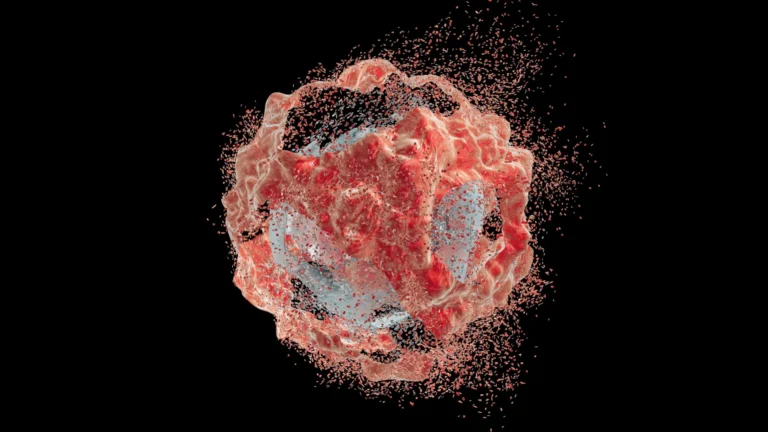
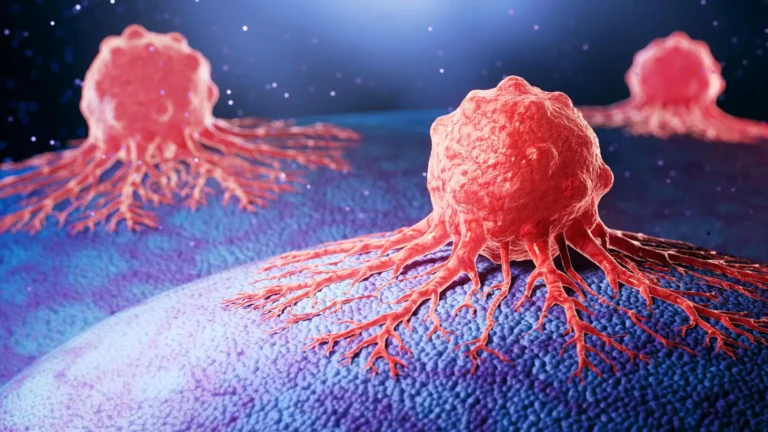
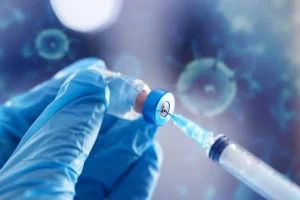
The process begins with the sequencing of the patient’s tumor and healthy tissue to identify "neoantigens"—mutations that exist only within the cancer cells. By synthesizing mRNA that encodes these specific neoantigens, the vaccine acts as a set of "wanted posters" for the immune system, teaching T-cells to recognize and hunt down residual cancer cells that may have escaped surgery. When administered in tandem with pembrolizumab (Keytruda®), an immune checkpoint inhibitor that effectively "releases the brakes" on the immune system, the vaccine creates a synergistic effect: the vaccine provides the target, while the immunotherapy ensures the immune response remains robust and active.
A Chronology of Progress: Three Decades in the Making
The journey to the INTerpath-001 trial was neither short nor linear. It is a narrative of persistence, marked by fundamental discoveries in basic immunology.
The Foundation (1990s – 2000s)
In the early 1990s, the concept of a cancer vaccine was often met with skepticism. However, researchers began to map the molecular interactions between immune cells and tumors. By 2001, the collaboration between the CRI and the Ludwig Institute for Cancer Research established the Cancer Vaccine Collaborative. This international consortium focused on identifying tumor-specific antigens, such as NY-ESO-1, and developing the logistical framework to manufacture and test therapeutic vaccines in human clinical settings.
The Checkpoint Revolution (2010s)
Parallel to vaccine research, the field of immune checkpoint therapy emerged. Nobel Laureate James P. Allison, PhD, a leader within the CRI Scientific Advisory Council, pioneered research that revealed how tumors hide from the immune system by exploiting "checkpoints." This work led to the development of drugs that block these inhibitory pathways, fundamentally changing the prognosis for patients with metastatic melanoma.
The mRNA Acceleration (2020 – 2026)
The rapid advancement of mRNA technology—accelerated by global efforts in the early 2020s—provided the final piece of the puzzle. The ability to rapidly sequence a tumor, synthesize mRNA, and deliver it to the patient transformed the "personalized vaccine" from a theoretical goal into a viable clinical product.
The INTerpath-001 Trial: Supporting Data and Findings
The INTerpath-001 trial represents one of the most rigorous tests of personalized immunotherapy to date. The study enrolled 1,137 patients, all of whom had undergone complete surgical resection of high-risk melanoma.
Study Design
Participants were randomized into two cohorts:
- The Combination Arm: Patients received the personalized mRNA vaccine intismeran autogene in conjunction with pembrolizumab.
- The Monotherapy Arm: Patients received pembrolizumab alone, representing the current gold standard of care.
Key Outcomes
After a median follow-up period of 24.6 months, the results underscored a statistically significant improvement in recurrence-free survival for the combination group. The vaccine successfully "primed" the immune systems of patients to recognize the unique mutations of their specific cancers, leading to a measurable delay in disease recurrence compared to the control group.
Safety Profile
While the efficacy results were celebrated, the safety profile remains a critical consideration for clinical adoption. Patients in the vaccine-plus-immunotherapy arm experienced a higher incidence of side effects, including:
- Fever
- Injection-site pain
- Fatigue
Approximately 14% of patients across both trial arms experienced severe, treatment-related adverse events. These findings highlight that while combination therapies are potent, they demand careful patient monitoring and toxicity management.
Official Perspectives: The View from the Scientific Community
Dr. Elizabeth Jaffee, Associate Director of the CRI Scientific Advisory Council and a prominent researcher at Johns Hopkins, views these results as a vindication of long-term investment in basic science. "It’s 35 years of working on basic immunology and biology, developing ways in preclinical models, testing in patients," Dr. Jaffee noted during the ESMO Congress. "Thirty-five years of progress to get to where we want to be, not seeing what we really wanted to see: some real clinical outcomes that are durable, and all of a sudden we’re there."
Industry partners Merck and Moderna have stated they are currently engaged in active dialogue with global regulatory authorities, including the FDA and EMA, to determine the pathway for potential approval. They continue to monitor the trial participants to gather more granular long-term data.
Implications and Future Horizons
While the success in melanoma is a milestone, the medical community remains cautious. Important questions persist, particularly regarding overall survival—the ultimate benchmark of cancer therapy success. Current data on whether these vaccines prolong life remain immature, necessitating several more years of observation.
The Complexity of Success
The variable success of cancer vaccines is underscored by the discontinuation of a separate Phase 2 trial involving a personalized mRNA vaccine for colorectal cancer earlier this year. This disparity highlights the complexity of the tumor microenvironment. Some cancers are "hot"—highly inflamed and responsive to immunotherapy—while others are "cold," creating physical and chemical barriers that prevent immune cells from infiltrating the tumor.
The Path Forward
To expand the reach of this technology, the CRI and other leading research bodies are focusing on three primary objectives:
- Target Discovery: Utilizing data science and AI to identify universal neoantigens that could be used in "off-the-shelf" vaccines, reducing the cost and time required for fully personalized manufacturing.
- Delivery Optimization: Improving the efficiency of mRNA delivery to dendritic cells and other key immune gatekeepers.
- Overcoming Resistance: Investigating why certain patients fail to respond to vaccine-induced immunity, even when the target is clear.
Expanding the Scope
Researchers are not waiting to refine the technology before testing it further. New clinical trials are already underway or in the planning stages for lung, kidney, and bladder cancers. Furthermore, investigators like Dr. Nina Bhardwaj are exploring whether vaccines can be combined with other emerging modalities, such as cell therapies, to stimulate immune responses in patients with active, advanced-stage disease.
Conclusion: A New Era of Immuno-Oncology
The INTerpath-001 trial serves as both a destination and a departure point. It confirms that we have entered an era where we can leverage a patient’s own genetic material to train their immune system to recognize cancer as an invader. However, as the scientific community celebrates this milestone, it remains tempered by the knowledge that cancer is a master of adaptation.
The coming decade will likely be defined by the effort to make these durable clinical outcomes accessible to a broader patient population. For the Cancer Research Institute and its global partners, the mission remains clear: to bridge the gap between promising immunological theory and the daily reality of patient care, ensuring that the progress of the last 35 years becomes the standard of care for the next generation. As the data matures and the regulatory processes unfold, the world watches, hopeful that this personalized approach is the key to unlocking the full potential of the human immune system in the fight against cancer.