







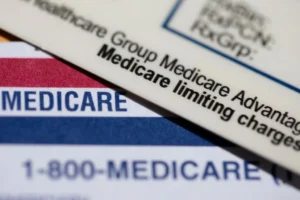




As the annual Medicare open enrollment period moves into its final stretch, a sense of quiet desperation is rippling through the homes of millions of American seniors. Driven by rising healthcare costs and a volatile insurance market, the bedrock of elderly healthcare—Medicare Advantage—is undergoing a profound and often painful transformation. Across the United States, major insurance providers are quietly exiting markets, shuttering popular plans, and slashing benefits, leaving beneficiaries to grapple with a landscape that feels increasingly like a labyrinth.
The State of Play: Rising Costs and Shifting Markets
The pressure on the American healthcare system is mounting. According to recent data from KFF, a leading independent source for health policy research, premiums for employer-sponsored family health insurance spiked by 9 percent this year alone. The average annual cost for such coverage has now surged past $7,000 for workers, a trend that is bleeding into the broader economy and, specifically, into the Medicare sector.
Medicare Advantage, the private-sector alternative to traditional government-run Medicare, currently covers more than 30 million Americans. Designed to offer a streamlined, "all-in-one" experience, these plans have historically been favored for their promise of bundled vision, dental, and hearing coverage—benefits largely absent from traditional Medicare. However, as the profit margins of private insurers shrink, the reality of these plans is shifting.
Insurers, acting as private corporations beholden to shareholders, are reacting to rising medical costs by recalibrating their offerings. In some regions, this has meant the wholesale withdrawal of plans, forcing beneficiaries to scramble for alternatives in the middle of a health crisis.
Chronology of a Mounting Crisis
The current instability did not occur overnight; it is the result of a gradual misalignment between insurer profitability and beneficiary needs.
- Early 2024: Industry analysts began noting that major carriers were facing significant financial headwinds due to higher-than-expected utilization of healthcare services by seniors coming out of the pandemic.
- Summer 2024: Several large insurance providers announced they would be pulling out of specific geographic markets, citing unsustainable costs and regulatory pressures.
- October 2024: As the open enrollment period began, millions of seniors opened their mail to find "notice of change" letters. For many, these documents contained alarming news: network providers were being dropped, copayments were shifting from fixed dollar amounts to percentage-based coinsurance, and supplemental benefits like dental care were being stripped back.
- November 2024: As diagnostic appointments and ongoing treatments for conditions such as cancer and chronic illness continued, beneficiaries began publicly expressing the strain of navigating "legwork" that feels designed to discourage them from seeking optimal care.
Voices from the Frontlines
The human cost of these administrative shifts is profound. Susan Hayse, a Medicare Advantage user for the past four years, describes the annual notification process as a "big shock." For Hayse, the transition from fixed copays—like a standard $50 visit fee—to a percentage-based coinsurance model has created significant financial uncertainty. Her primary fear is that her existing medical conditions may effectively "trap" her in a sub-optimal plan, as the financial barrier to switching back to traditional Medicare and securing a supplemental policy is prohibitive.
Bob Heffernan, a resident of Vermont, offers a cautionary tale of market volatility. After two consecutive plans withdrew from his area, Heffernan was forced to return to traditional Medicare. While he initially found the private Advantage plans "superior" for their comprehensive coverage, he now faces the "Medigap" reality: paying for separate prescription drug coverage, dental, and vision, all while managing the deductibles that traditional Medicare requires.
For patients like Diane Payne, who was diagnosed with breast cancer last year, the stakes are existential. "I’d like to know what I might be getting into," Payne said, reflecting on the difficulty of verifying whether her oncologist would remain in-network. For her, the reduction in dental coverage is particularly cruel, as the physical toll of chemotherapy and radiation often makes dental health a critical, yet increasingly expensive, necessity.
The Structural Divide: Traditional Medicare vs. Advantage
To understand the frustration of seniors, one must look at the structural difference between the two systems. Dan Weissmann, creator of the healthcare podcast An Arm and a Leg, highlights the fundamental trade-off:
"Traditional Medicare is run by the federal government. It covers 80 percent of the bill, leaving you responsible for the other 20 percent. Critically, there is no out-of-pocket maximum," Weissmann explains. "You could be on the hook for tens of thousands of dollars if you have a significant health event."
Medicare Advantage was created to bridge this gap. Private companies bundle these costs, set out-of-pocket maximums, and provide extra services. The catch? The beneficiary is no longer dealing with a government entity, but a corporation that manages healthcare via networks and prior authorizations. "You are negotiating with a big insurance company for your healthcare," Weissmann notes. "They can tell you, ‘That doctor is not in our network,’ or ‘We don’t pay for that.’"
The "No Backsies" Trap
Perhaps the most significant, and least understood, obstacle is the difficulty of returning to traditional Medicare. When a senior first turns 65, they have a window to choose between traditional Medicare and Medicare Advantage. However, once that window closes, the path back to traditional Medicare is often blocked by medical underwriting.
If a senior decides to leave an Advantage plan and return to original Medicare, they typically need a "Medigap" (supplemental) plan to cover the 20 percent the government doesn’t pay. Unlike Advantage plans, which must accept all applicants, Medigap providers in most states can deny coverage based on preexisting conditions. This effectively creates a "no backsies" scenario for seniors who develop chronic illnesses while enrolled in a private plan. They are effectively locked into the Advantage system, regardless of whether that system continues to meet their needs.
Implications and Moving Forward
The implications of this market contraction are severe. As insurance companies prioritize shareholder returns, the "all-in-one" promise of Medicare Advantage is fraying. Seniors are left in a state of perpetual risk, where their insurance coverage can be altered or revoked based on corporate strategy rather than clinical necessity.
For those navigating this year’s enrollment, the advice from experts is clear and urgent:
- Read the Mail: Do not ignore notifications from your insurer. If your plan is changing, you must act before the December 7 deadline.
- Use SHIP: The State Health Insurance Assistance Program (SHIP) is a federally funded resource that provides unbiased guidance. Unlike private agents, SHIP counselors do not earn commissions.
- Call 1-800-MEDICARE: The official federal hotline remains the most reliable source for verifying plan changes and eligibility.
- Watch for Capacity Limits: Because some insurers have received federal permission to cap enrollment in specific plans, waiting until the last minute could result in being locked out of a preferred plan entirely.
As the healthcare industry continues to grapple with the rising costs of an aging population, the "Advantage" model is under a microscope. For the millions of Americans relying on these plans, the current crisis serves as a stark reminder that in the world of private insurance, the terms of care are always subject to the bottom line—often at the expense of those who need it most.